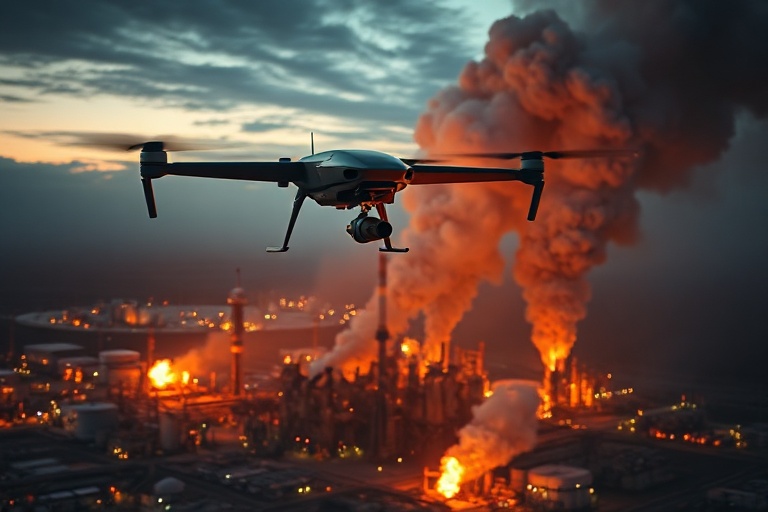
Ukrainian Drone Strikes Target Russian Oil Infrastructure
Ukrainian Drone Strikes Target Russian Oil Infrastructure
Recent drone strikes by Ukraine have escalated tensions between the two nations, specifically targeting Russian oil infrastructure. This strategic move is not only a military tactic but also reflects Ukraine’s broader objectives in the ongoing conflict. The implications of these strikes extend beyond the battlefield, affecting global energy markets and international relations.
The Context of the Strikes
Since the onset of the conflict, Ukraine has been leveraging various forms of warfare, including cyber attacks and drone strikes. The use of drones has proven effective in targeting critical infrastructure, particularly oil facilities that serve as a backbone for Russia’s economy. By disrupting oil production and distribution, Ukraine aims to weaken Russia’s financial resources, thereby reducing its capacity to sustain military operations.
Understanding the significance of these strikes requires a closer look at the role oil plays in the Russian economy. Oil and gas exports constitute a substantial portion of Russia’s revenue, making them a prime target for Ukrainian forces. The strikes have not only caused physical damage but also psychological impacts, sending a message about Ukraine’s capabilities and resolve.
Impact on Global Energy Markets
The drone attacks have sent ripples through global energy markets. As Ukraine continues its campaign, fluctuations in oil prices have become increasingly common. Analysts predict that sustained attacks could lead to a significant increase in prices, affecting consumers worldwide. Countries heavily reliant on oil imports may find themselves grappling with rising costs and supply chain disruptions.
- Increased Prices: A surge in oil prices can lead to higher transportation and production costs across various sectors.
- Supply Chain Disruptions: Countries dependent on Russian oil may face shortages, prompting a reevaluation of energy sources.
- Strategic Alliances: Nations may seek to strengthen ties with alternative oil-producing countries to mitigate risks.
Furthermore, the strikes have led to a reassessment of energy policies in several nations. Countries are increasingly exploring renewable energy alternatives and reconsidering their dependence on fossil fuels. This shift could have long-term implications for the global energy landscape, as nations strive for energy independence.
International Reactions and Consequences
The international community has reacted in various ways to the Ukrainian drone strikes. Some nations have expressed support for Ukraine’s right to defend itself, while others have criticized the escalation of violence. The responses highlight the complexities of global geopolitics, where energy security is a critical concern.
Western nations have largely backed Ukraine, providing military aid and imposing sanctions on Russia. However, the balance of support remains delicate. Countries that rely on Russian energy are wary of the potential fallout from escalating hostilities. The situation calls for a nuanced approach to diplomacy and international relations.
Conclusion
The Ukrainian drone strikes against Russian oil infrastructure represent a significant tactical development in the ongoing conflict. As Ukraine seeks to diminish Russia’s economic capacity, the consequences are felt far beyond the battlefield. The impact on global energy markets and international relations underscores the interconnected nature of modern warfare.
As the situation evolves, the world watches closely. The implications of these strikes may shape the future of energy policies and geopolitical alliances. Understanding these dynamics is crucial for comprehending the broader ramifications of the conflict.
For more insights into current events and their implications, explore our News and Analysis sections.