Updated: June 2024
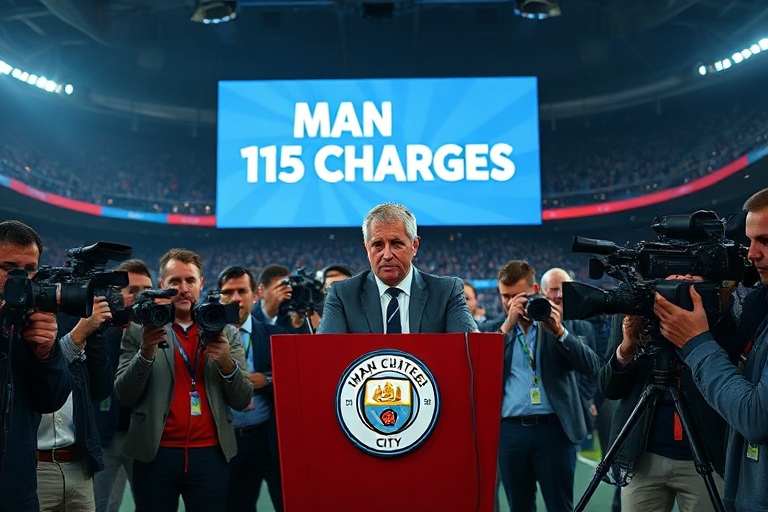
Manchester City’s legal battles have intensified with the revelation of 115 charges spanning financial fair play violations and other alleged breaches. The ruling body of European football, Uefa, has escalated its scrutiny of the club’s financial operations, raising questions about the future of City’s domestic and international dominance. This development follows years of investigations that have already reshaped the club’s reputation and financial strategies.
Background of the Charges
Uefa’s decision to level 115 charges against Manchester City stems from an ongoing investigation into alleged breaches of financial fair play (FFP) regulations. These rules were implemented to prevent clubs from spending beyond their means, ensuring competitive balance in European football. City has long been under the microscope, with accusations of inflating sponsorship deals and misreporting revenues to comply with FFP thresholds.
The investigation gained momentum after whistleblower documents, including those from Der Spiegel, revealed internal communications suggesting potential financial misconduct. Uefa’s adjudicatory chamber has since expanded its probe, leading to the unprecedented volume of charges. While City has consistently denied wrongdoing, the sheer scale of the allegations underscores the severity of the accusations.
Key Allegations
The charges can be broadly categorized into the following areas:
- Breach of financial fair play regulations: Accusations of overstating revenue streams to meet FFP requirements.
- Inflated sponsorship deals: Claims that City’s reported sponsorship income from related parties (e.g., Etihad Airways) was artificially inflated.
- Improper financial reporting: Alleged discrepancies in financial statements submitted to Uefa over multiple seasons.
- Failure to cooperate fully: Uefa has also cited procedural breaches, suggesting City did not provide requested documentation in a timely manner.
City’s Response and Legal Strategy
Manchester City has mounted a robust defense, arguing that the charges are unfounded and based on flawed interpretations of FFP rules. The club’s legal team, led by prominent sports lawyers, has emphasized that all financial dealings were transparent and compliant with regulations. In a statement, City described the charges as “ill-founded” and vowed to contest them vigorously in both legal and sporting forums.
The club’s strategy includes challenging the jurisdiction of Uefa’s adjudicatory chamber, arguing that some allegations fall outside the statute of limitations. Additionally, City has pointed to its recent financial transparency initiatives, such as the publication of detailed financial reports, as evidence of its commitment to compliance. However, the sheer volume of charges suggests Uefa is determined to pursue the case aggressively.
Potential Outcomes
If found guilty, Manchester City could face severe penalties, including:
- Financial sanctions: Fines ranging from millions to tens of millions of euros.
- Transfer bans: Restrictions on new player signings for one or more transfer windows.
- Points deductions: In domestic competitions, which could jeopardize City’s Premier League title ambitions.
- European competition bans: Exclusion from the Champions League or Europa League for a specified period.
Less severe penalties, such as warnings or reprimands, are also possible if Uefa deems the breaches minor. However, the club’s history of dominance in English and European football makes it a high-profile target, and any sanctions could have ripple effects across the sport.
Broader Implications for Football
The fallout from these charges extends beyond Manchester City, raising critical questions about the effectiveness of financial regulations in football. Critics argue that FFP rules are inconsistently enforced, with wealthy clubs like City exploiting loopholes to maintain their competitive edge. Others contend that Uefa’s actions are long overdue, signaling a crackdown on financial misconduct that could level the playing field.
The case also highlights the role of whistleblowers and investigative journalism in exposing financial irregularities. Documents from Der Spiegel and other sources have played a pivotal role in shaping public perception and pushing authorities to act. This trend may embolden others to come forward with similar revelations, potentially uncovering more cases of financial impropriety in football.
For Manchester City, the stakes are enormous. The club’s recent success, including multiple Premier League titles and a historic Champions League triumph in 2023, has been built on a foundation of financial power. A guilty verdict could tarnish its legacy and force a reevaluation of its recruitment and financial strategies. Conversely, a successful defense would not only clear City’s name but also set a precedent for how FFP rules are interpreted and applied.
What’s Next?
The timeline for resolution remains uncertain, with the legal process likely to span months or even years. Uefa’s adjudicatory chamber will first review City’s response to the charges before deciding whether to proceed to a formal hearing. If the case advances, a panel of independent jurists will evaluate the evidence and deliver a verdict.
In the meantime, Manchester City’s focus remains on the pitch, with Pep Guardiola’s team chasing another Premier League title and a deep run in the Champions League. The club’s ability to perform under pressure will be closely watched, as any on-field success could serve as a distraction from the off-field drama. However, the shadow of the charges looms large, and the club’s leadership will need to navigate this crisis with precision.
For football fans, this case is a reminder of the sport’s complex financial ecosystem. It underscores the tension between ambition and regulation, and the challenges authorities face in maintaining integrity. Whether Uefa’s actions will deter future misconduct or simply drive it underground remains to be seen. One thing is certain: the outcome of this case will shape the future of financial governance in football for years to come.
Further Reading: Explore more on financial regulations in football and Uefa’s enforcement policies. Check out our News and Sports sections for ongoing coverage of this story and related developments.