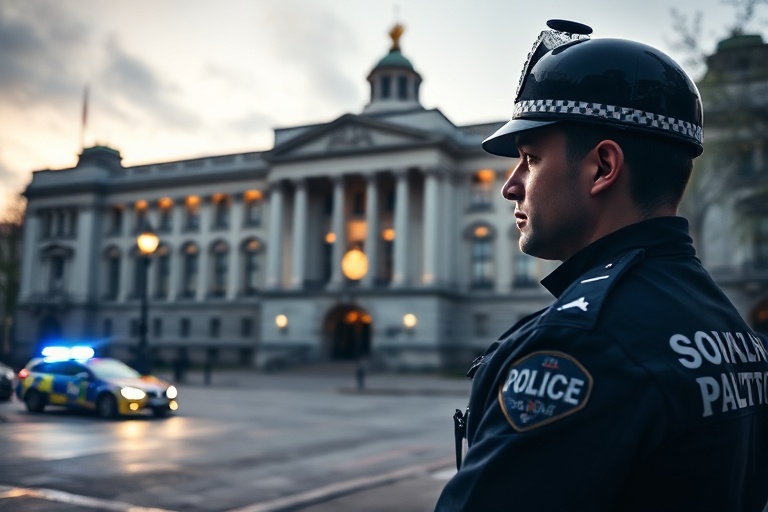
The Metropolitan Police Service (MPS), commonly known as the Met, stands as one of the most scrutinized and influential law enforcement agencies in the world. Serving London’s 8.8 million residents, the Met operates within a complex urban landscape that demands both adaptability and resilience. From its historical roots to its modern-day controversies, the force remains a pivotal yet polarizing institution in British society.
The History and Evolution of the Metropolitan Police
Established in 1829 by Home Secretary Sir Robert Peel, the Metropolitan Police was created to replace the patchwork of uncoordinated watchmen and constables that had previously policed London. Peel’s vision emphasized professionalism, discipline, and a visible uniformed presence to deter crime. The force’s early years were marked by resistance from the public and political figures alike, who viewed a centralized police force as a threat to civil liberties.
By the mid-19th century, the Met had begun to gain acceptance, introducing innovations such as the first detective branch in 1842 and the iconic helmets worn by officers. The 20th century brought further evolution, including the establishment of specialist units like the Flying Squad and the introduction of women officers in 1919. Today, the Met employs over 34,000 officers and staff, making it the largest police force in the UK.
Key Milestones in the Met’s History
- 1829: Founded by Sir Robert Peel, the first professional police force in London.
- 1884: Introduction of the first detective branch to combat rising crime.
- 1919: Women officially join the force as officers for the first time.
- 1982: The Scarman Report is published, addressing tensions between the police and minority communities.
- 2012: The Met faces intense scrutiny over its handling of the phone-hacking scandal and the death of Mark Duggan.
Structure and Organization: How the Met Operates
The Metropolitan Police is divided into several key operational branches, each tailored to address specific aspects of policing in London. At the top of the hierarchy sits the Commissioner, currently Sir Mark Rowley, who reports to the Mayor of London and the London Assembly. Below the Commissioner, the force is organized into directorates, including Specialist Crime and Operations, Territorial Policing, and Professionalism.
Territorial Policing forms the backbone of the Met, with officers assigned to local borough commands that align with London’s 32 boroughs and the City of London. These officers are responsible for day-to-day policing, responding to emergencies, and building community relationships. In contrast, Specialist Crime and Operations units focus on high-risk areas such as counterterrorism, cybercrime, and organized crime.
Notable Units Within the Metropolitan Police
- Counter Terrorism Command (CTC): Investigates and prevents terrorist threats, working closely with MI5 and international agencies.
- Trident Gang Crime Command: Targets gun and gang-related violence, particularly in London’s most affected neighborhoods.
- Digital, Cyber and Communications Forensics: Investigates cybercrimes, including fraud, hacking, and online child exploitation.
- Mounted Police Unit: Provides visible policing in crowded areas and assists in public order situations.
Controversies and Challenges Facing the Met
The Metropolitan Police has faced persistent criticism over the years, particularly regarding its handling of protests, racial disparities in stop-and-search practices, and cases of misconduct within its ranks. One of the most high-profile controversies involved the 2005 killing of Jean Charles de Menezes, an innocent Brazilian man mistakenly identified as a suicide bomber. The incident sparked global outrage and led to significant reforms in surveillance and intelligence-sharing protocols.
More recently, the Met has been embroiled in debates over its response to protests, including the 2020 Black Lives Matter demonstrations and the Sarah Everard vigil in 2021. Critics argue that heavy-handed tactics, such as the use of baton charges and strip searches, have eroded public trust. The force has also been accused of institutional racism, a claim underscored by a 2022 report from the police watchdog HMICFRS, which found that Black people in London are nine times more likely to be stopped and searched than white people.
Recent High-Profile Cases and Their Aftermath
In 2021, the Met was criticized for its handling of the vigil for Sarah Everard, a woman murdered by a serving police officer. Officers were seen pushing attendees to the ground and arresting women for holding candles. The incident reignited discussions about police accountability and the need for cultural reform within the force.
Another contentious issue is the Met’s relationship with marginalized communities. A 2023 report by the Independent Office for Police Conduct (IOPC) found that officers had shared inappropriate messages in WhatsApp groups, including racist and misogynistic content. In response, the Met has launched the “Refounding Policing” initiative, which aims to rebuild trust through transparency and community engagement.
Reforms and the Future of the Metropolitan Police
In response to mounting criticism, the Metropolitan Police has embarked on a series of reforms aimed at restoring public confidence and improving operational effectiveness. One of the most significant changes is the introduction of body-worn cameras for all officers, a move intended to increase transparency and accountability. Additionally, the Met has committed to recruiting more officers from diverse backgrounds to better reflect the communities it serves.
Another critical area of reform is the handling of misconduct cases. The IOPC has called for stricter oversight of officers accused of wrongdoing, including faster disciplinary processes and more robust vetting procedures. The Met has also pledged to improve its response to domestic abuse and sexual violence cases, which have historically been underreported due to a lack of trust in the police.
Steps the Met is Taking to Address Criticisms
- Body-Worn Cameras: Mandatory for all officers to record interactions with the public, reducing the likelihood of misconduct.
- Diversity Initiatives: Targeted recruitment campaigns to increase representation of women, ethnic minorities, and LGBTQ+ officers.
- Community Policing: Increased foot patrols and neighborhood engagement programs to rebuild trust.
- Technology Upgrades: Investment in data analytics and AI tools to improve crime prediction and response times.
Despite these efforts, challenges remain. The Met continues to grapple with budget constraints, with government funding cuts forcing reductions in officer numbers in some areas. There is also the ongoing struggle to balance the need for visible policing with the risk of over-policing certain communities. As London evolves, so too must the Metropolitan Police, adapting to new threats while addressing the systemic issues that have long plagued the force.
Conclusion: A Force at a Crossroads
The Metropolitan Police stands at a pivotal moment in its history. While it remains an essential institution for maintaining law and order in one of the world’s most dynamic cities, it is also a force under intense scrutiny. The challenges it faces—ranging from institutional racism to budgetary constraints—are not easily resolved. Yet, the reforms currently underway suggest a recognition of the need for change.
For the Met to regain the trust of Londoners, it must prioritize transparency, accountability, and community engagement. The road ahead will require not only structural adjustments but also a cultural shift within the organization. As the Met moves forward, its ability to adapt and evolve will determine whether it can truly serve and protect all citizens equitably.
For more insights into policing and law enforcement issues, explore our News and Analysis sections.