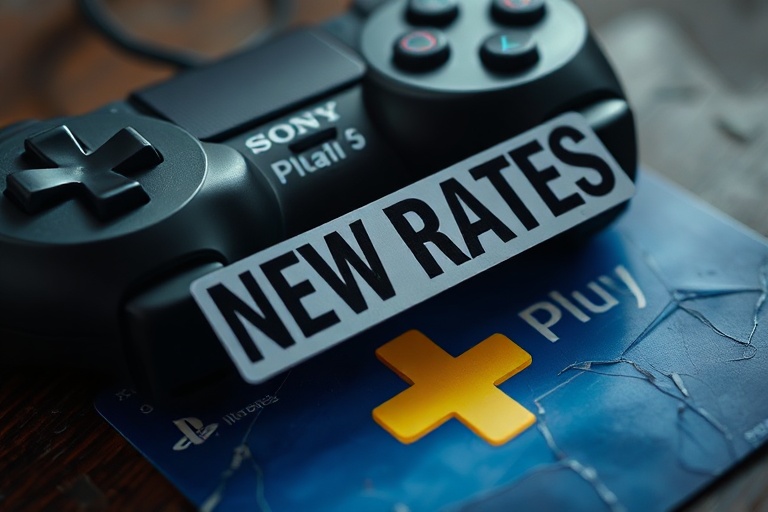
Sony Raises PlayStation Plus Prices: What Gamers Should Know
“`html
Sony’s Decision to Raise PlayStation Plus Prices
Sony Interactive Entertainment has officially announced a price increase for its PlayStation Plus membership tiers, effective in May 2024. The move reflects broader trends in digital content pricing, as inflation and rising operational costs push subscription services to adjust their rates. For long-time PlayStation users, this marks the first significant price change since the service’s 2022 merger of PS Plus and PS Now into a three-tiered system.
The adjustments vary by region, but in the U.S., the Essential tier will rise from $49.99 to $59.99 annually, a 20% increase. The Premium tier will go from $119.99 to $139.99, and the Extra tier will move from $99.99 to $119.99. Sony has stated that these changes are intended to “maintain and expand” the service’s offerings, including cloud streaming, game trials, and exclusive discounts.
Why Now? The Context Behind the Price Hike
This price adjustment arrives amid a broader shift in the gaming industry. Subscription services have become the dominant model for accessing games, mirroring the trajectory of music and video streaming platforms. Sony’s decision follows Microsoft’s Xbox Game Pass price increase in 2023 and EA Play’s multiple adjustments over recent years. As content libraries expand and server costs rise, subscription platforms face growing pressure to balance affordability with sustainable revenue.
Sony has emphasized that the price hike will fund new features, including expanded game trials, additional cloud streaming capabilities, and enhanced cross-platform integration. Industry analysts suggest that this move may also reflect Sony’s confidence in PlayStation Plus’s subscriber retention, which remains strong despite competition from Xbox Game Pass and Nintendo Switch Online.
What Changes for Subscribers?
For current subscribers, the transition will be gradual. Existing members will retain their current pricing until their next renewal date. After that, the new rates will apply. Sony has not announced any immediate cuts to service quality, but users should expect ongoing adjustments to the catalog and trial offerings as the company reallocates funds toward platform improvements.
Here are the key changes and considerations for PlayStation Plus members:
- Annual pricing increases: Essential tier up 20%, Extra by 20%, Premium by 16.7%.
- No immediate service reductions: Existing subscribers keep current pricing until renewal.
- Future feature expansion: Sony plans to add more cloud trials and cross-play integrations.
- Regional variations: Price hikes are adjusted for local currency and market conditions.
- Growing competition: Rivals like Xbox Game Pass and Nintendo Switch Online continue to offer competitive pricing.
While the price increase may feel abrupt to some, it aligns with industry standards. Microsoft’s Game Pass Ultimate jumped from $16.99 to $19.99 monthly in early 2023, and EA’s EA Play Pro increased from $14.99 to $17.99 the same year. Sony’s decision suggests it is prioritizing long-term platform health over short-term affordability.
The Broader Impact on Gamers and the Industry
The price hike raises important questions about the future of game subscriptions. On one hand, higher revenue enables better licensing deals, improved infrastructure, and exclusive content. On the other, it risks alienating budget-conscious gamers who rely on subscription models to access multiple titles without full retail purchases.
For casual players, the Essential tier remains the most affordable entry point, though the $60 annual cost now approaches the price of a mid-tier indie game. Hardcore gamers who utilize the Extra and Premium tiers may see more value, given access to a growing library of titles and cloud streaming options. However, as prices rise, some may reconsider whether multiple subscriptions or direct purchases offer better long-term value.
There’s also a psychological effect. When platforms like Netflix and Spotify began raising prices, user backlash was significant. Sony’s move could test how loyal PlayStation users are to the ecosystem. If subscribers begin to feel nickel-and-dimed, churn rates could rise, especially among those who only use the service for temporary access to a few games.
Additionally, this price adjustment may signal a broader trend. As console manufacturers invest heavily in cloud gaming and AI-driven services, subscription prices are likely to continue climbing. Sony’s decision could set a precedent for future increases, particularly as it competes with Microsoft’s aggressive Game Pass strategy and anticipates the launch of the PlayStation 5 Pro.
What Should PlayStation Plus Subscribers Do?
Gamers currently on annual plans should evaluate their renewal timing. If possible, renewing before the price increase takes effect could result in significant savings. For those on monthly plans, the impact is immediate, but locking in an annual rate before May could provide temporary relief.
It’s also worth comparing the value of PlayStation Plus against alternatives. Xbox Game Pass Ultimate offers a similar library with Game Pass titles, EA Play integration, and online multiplayer for $17.99 monthly. Nintendo Switch Online, while more limited, remains under $25 annually. For PlayStation exclusives, however, Sony’s service still holds unique appeal.
Long-term, players may need to adjust expectations. Subscription services are not designed to remain static in cost. As content libraries grow and technology evolves, price adjustments will likely become routine. Players who value convenience and access may accept this as part of the modern gaming landscape.
Looking Ahead: The Future of PlayStation Plus
Sony has framed this price increase as an investment in the future of PlayStation Plus. With cloud gaming still in its early stages and AI-driven recommendations on the horizon, the company is positioning itself for long-term growth. Whether these improvements justify the cost will depend on execution and user perception.
One area to watch is the expansion of the game catalog. Sony has been gradually adding more third-party titles to PlayStation Plus, but its strength remains in first-party exclusives. If the service can secure more major third-party releases—especially from publishers like Capcom, Square Enix, and Bandai Namco—it could enhance its value proposition.
Another factor is the upcoming PlayStation 5 Pro, expected later in 2024. A more powerful console could drive demand for higher-tier subscriptions that support 4K cloud streaming and advanced features. Sony may bundle or discount PlayStation Plus with console purchases to maintain user loyalty.
Ultimately, the price hike is a calculated risk. It reflects confidence in PlayStation Plus’s role as a cornerstone of Sony’s gaming ecosystem. But it also tests the limits of consumer tolerance in an era of rising digital costs. For now, loyal PlayStation fans will have to decide whether the convenience and exclusives are worth the extra expense—or if they’ll explore alternative ways to access the games they love.
As the gaming industry continues to evolve, one thing is clear: subscription services are here to stay, and with them, the expectation of periodic price adjustments. The question is not whether costs will rise, but how much value players will demand in return.
For more insights into PlayStation services and gaming trends, visit Dave’s Locker Technology and Gaming sections.