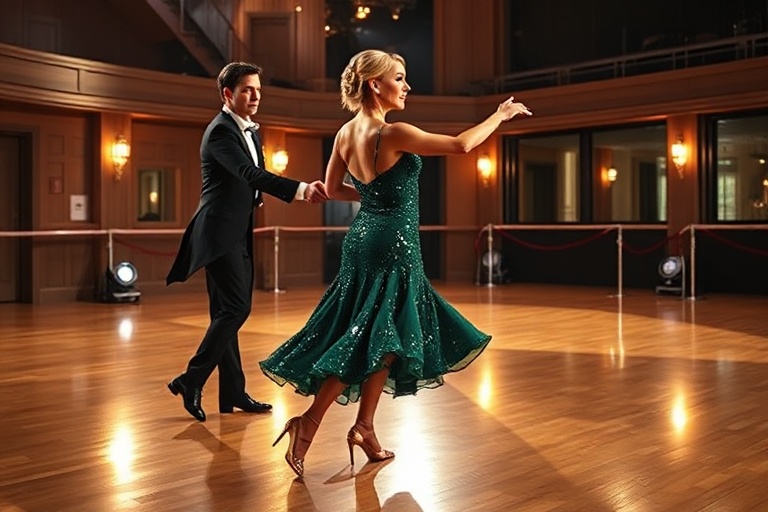
Television shows thrive on chemistry—between contestants, judges, and audiences. Yet few roles are as quietly pivotal as that of the host. For Strictly Come Dancing, the British adaptation of dance competition format Dancing with the Stars, the host bridges glamour, humor, and high-stakes entertainment. While judges like Craig Revel Horwood and Shirley Ballas steal headlines for their sharp critiques, it’s the hosts who guide viewers through the emotional rollercoaster with warmth, wit, and an uncanny ability to keep time.
Since its debut in 2004, Strictly Come Dancing has crowned 20 champions, launched careers, and become a cultural institution. But behind every glittering finale and tense paso doble lies a host—or sometimes two—orchestrating the spectacle. From the show’s first steps with Sir Bruce Forsyth to its current dynamic duo of Claudia Winkleman and Tess Daly, the role has evolved dramatically, reflecting changes in British television, celebrity culture, and audience expectations.
The Original Architects: Bruce Forsyth and Tess Daly
No conversation about Strictly hosts begins without Sir Bruce Forsyth. The man affectionately known as “Brucie” was the show’s bedrock for 14 years, from 2004 until 2018. His arrival wasn’t just a casting coup—it was a strategic choice. Forsyth brought decades of experience hosting variety shows like The Generation Game and Play Your Cards Right. His signature catchphrases—“Nice to see you, to see you… nice!”—and unshakable charm made him the perfect guide through the show’s early seasons.
Yet Forsyth wasn’t alone. Tess Daly joined in 2006 as a co-host, bringing a modern, accessible energy. While Forsyth anchored the nostalgia, Daly connected with younger viewers. Her warmth and relatability softened the competitive edge of the show. Together, they formed a partnership that endured for over a decade, proving that a strong host duo could balance tradition and innovation.
Their chemistry wasn’t accidental. It was cultivated through years of live television, mutual respect, and an understanding of the show’s emotional core. Forsyth’s era set the template: a host must be both performer and confidant, capable of celebrating triumphs and cushioning falls.
The Winds of Change: From Solo Acts to Shared Stages
The transition from Forsyth to a new generation of hosts marked a cultural shift. After his retirement in 2018, the BBC faced a challenge: how to honor the past while embracing the future. Enter Claudia Winkleman. Her appointment in 2018 was met with curiosity—could a comedian and former panel show regular step into such a beloved role?
Winkleman’s early tenure was rocky. Critics questioned her timing, her rapport with dancers, and her ability to handle the show’s emotional weight. But over time, she proved her critics wrong. Her sharp wit, self-deprecating humor, and willingness to poke fun at her own mistakes endeared her to audiences. By 2022, she had not only survived—she had thrived, earning a BAFTA nomination and reshaping perceptions of what a Strictly host could be.
Yet Winkleman wasn’t alone in navigating this new era. Tess Daly remained a constant presence, transitioning from co-host to senior host. Her enduring role provided continuity, grounding the show amid rapid change. Today, the duo of Winkleman and Daly represents a deliberate balance—youthful irreverence meets timeless professionalism.
The Dual-Host Model: A Deliberate Strategy
The decision to maintain two hosts reflects the show’s evolution. Unlike American versions, which often rely on a single presenter, Strictly Come Dancing thrives on duality. The hosts divide labor strategically:
- Claudia Winkleman: Handles backstage interviews, comedic interludes, and high-energy transitions. She’s the bridge between the studio audience and the glittering spectacle.
- Tess Daly: Manages the emotional beats—introducing contestants, consoling losers, and maintaining the show’s heart. She’s the steady hand in a sea of sequins.
This division allows the show to be both entertaining and sincere. Winkleman’s humor keeps the tone light, while Daly’s sincerity ensures the stakes feel real. It’s a model that has influenced other dance competitions globally, proving that two hosts can be greater than the sum of their parts.
Global Echoes: How Strictly’s Host Model Inspires Worldwide
Strictly Come Dancing isn’t just a British phenomenon—it’s a global franchise. Versions of the show air in over 60 countries, from Australia’s Dancing with the Stars to India’s Jhalak Dikhhla Jaa. While local adaptations often adapt the format, the role of the host remains sacred. Yet not every version succeeds in replicating the magic of Winkleman and Daly.
Take Dancing with the Stars in the United States. Its hosts—from Tom Bergeron to Alfonso Ribeiro—have struggled to balance humor and sincerity. The show’s tone often veers between campy and sincere, leaving hosts caught in the middle. By contrast, Australia’s version has thrived with a dual-host model similar to Strictly, proving that the British approach has universal appeal.
Cultural context plays a role here. British audiences expect hosts to be both authoritative and self-aware—capable of mocking themselves while maintaining respect for the contestants. This duality aligns with the UK’s tradition of satirical comedy and public service broadcasting. In countries where competition shows lean harder into drama or spectacle, hosts often struggle to find that balance.
The Future: What’s Next for Strictly’s Gatekeepers
As Strictly Come Dancing approaches its third decade, the role of the host continues to evolve. Winkleman and Daly have set a new standard—one that values authenticity, adaptability, and a touch of chaos. But the BBC is already looking ahead. Speculation swirls around potential replacements, from comedians like Romesh Ranganathan to rising TV personalities like AJ Odudu.
The challenge for the next generation will be maintaining the show’s soul. A host must do more than read autocue— they must embody the spirit of the show. They must laugh with the audience, cry with the contestants, and never lose sight of the fact that, at its heart, Strictly is about human connection.
One thing is certain: the hosts of Strictly Come Dancing are more than presenters. They are curators of joy, architects of emotion, and the unseen force that turns a ballroom into a stage where dreams—both dashed and fulfilled—come to life.