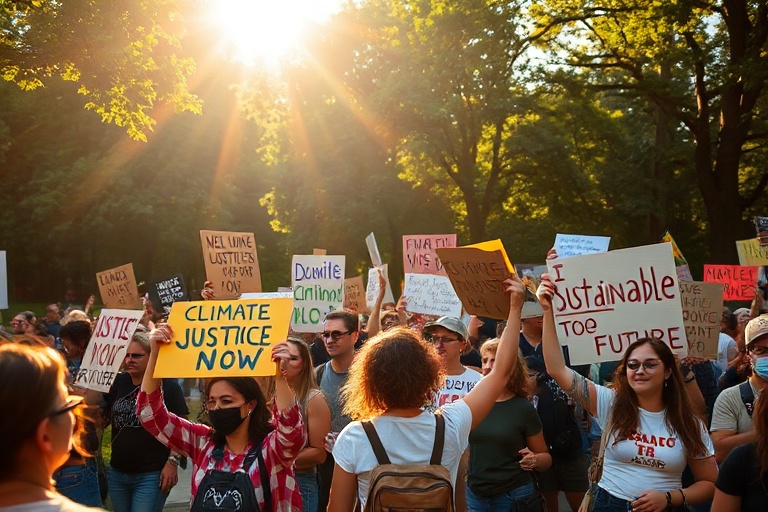
The Green Party has emerged as a persistent voice for environmental justice, social equity, and systemic change in an era dominated by partisan divides. While often overshadowed by the two major U.S. political parties, the Greens have carved out a distinct identity by prioritizing ecological sustainability and grassroots democracy. Their influence extends beyond electoral politics, shaping public discourse on climate policy, corporate accountability, and economic reform.
The party’s origins trace back to the 1970s and 1980s, when environmental movements gained momentum alongside anti-war and civil rights activism. Early Green organizations in Europe and North America laid the groundwork for a political platform that rejected traditional left-right dichotomies in favor of a holistic approach to governance. Today, the Green Party of the United States (GPUS) stands as one of the most visible iterations of this philosophy, advocating for policies like the Green New Deal, Medicare for All, and corporate accountability.
The Green Party’s Core Principles and Platform
The Green Party’s platform is built on ten key values, which serve as the foundation for its policy proposals. These principles emphasize ecological wisdom, social justice, grassroots democracy, nonviolence, and decentralization. Unlike many political parties, the Greens do not prioritize corporate donations or lobbyist influence, instead relying on small-dollar donations and volunteer efforts to fund their campaigns.
Key pillars of the Green Party’s platform include:
- Ecological Sustainability: The party advocates for a rapid transition to renewable energy, bans on fracking and fossil fuel subsidies, and policies to protect biodiversity and natural habitats.
- Economic Justice: Greens support a living wage, universal healthcare, and a federal jobs guarantee to address income inequality and systemic poverty.
- Social Equity: The party champions policies like free college tuition, housing as a human right, and criminal justice reform to dismantle systemic oppression.
- Grassroots Democracy: The Greens prioritize participatory governance, including ranked-choice voting and proportional representation to amplify marginalized voices.
- Peace and Nonviolence: The party opposes military interventionism, nuclear weapons, and the militarization of police, instead advocating for diplomacy and conflict resolution.
These values distinguish the Green Party from mainstream political alternatives, offering a radical departure from the status quo. While critics argue that the Greens lack the electoral muscle of the Democratic or Republican parties, their platform resonates with voters frustrated by incrementalism and corporate capture of politics. In states like California and Massachusetts, Green candidates have won local offices, proving that the party’s ideas can translate into tangible policy changes.
Electoral Challenges and Strategic Dilemmas
The Green Party faces significant obstacles in achieving electoral success, particularly in the U.S. political system, which is designed to favor two-party dominance. The winner-take-all electoral system, combined with ballot access restrictions and exclusion from presidential debates, makes it difficult for third parties to gain traction. Despite these challenges, the Greens have fielded presidential candidates since 1996, with figures like Ralph Nader and Jill Stein drawing millions of votes and sparking national conversations about corporate influence in politics.
One of the most contentious debates within the Green movement is the question of strategic voting. Should Greens vote for the Democratic Party as the “lesser evil” to block Republican victories, or should they remain steadfast in their opposition to the two-party system? This dilemma was particularly acute in the 2000 and 2016 elections, when Green candidates drew votes from Democratic nominees, leading to accusations of “spoiler effect.” Critics argue that the Greens dilute progressive voting blocs, while supporters contend that the party’s existence forces mainstream parties to adopt more progressive policies.
Internationally, Green parties have achieved greater electoral success. In Europe, parties like Germany’s Bündnis 90/Die Grünen and Belgium’s Ecolo have entered coalition governments, shaping climate and social policies. New Zealand’s Green Party has also held significant influence, securing policy concessions in exchange for parliamentary support. These examples highlight the potential for Green parties to bridge divides and push for systemic change, even within fragmented political landscapes.
The Green Party’s Broader Influence and Cultural Impact
Beyond electoral politics, the Green Party has played a pivotal role in shaping public discourse on climate change, corporate accountability, and economic inequality. The party’s advocacy for the Green New Deal, for instance, predated its adoption by progressive Democrats like Alexandria Ocasio-Cortez. Similarly, the Greens have long championed policies like Medicare for All and free college tuition, ideas that have since entered the mainstream political conversation.
The party’s emphasis on grassroots organizing has also left a lasting mark on activism. Green-affiliated organizations, such as the Global Greens and the Green Party of the United States, have collaborated with labor unions, Indigenous rights groups, and environmental justice movements to amplify collective action. These alliances reflect the party’s commitment to intersectional solidarity, recognizing that environmental degradation disproportionately affects marginalized communities.
Culturally, the Green Party has inspired a generation of activists and artists who critique consumerism, corporate power, and environmental destruction. From punk rock anthems to documentary films, the party’s ethos has permeated alternative media, challenging audiences to rethink their relationship with consumption and governance. This cultural influence underscores the party’s role as both a political force and a social movement.
What’s Next for the Green Party?
The Green Party’s future hinges on its ability to adapt to shifting political tides while staying true to its core values. With climate change intensifying and economic inequality widening, the demand for bold, systemic solutions has never been greater. However, the party must also confront internal challenges, including leadership disputes, fundraising constraints, and the need to expand its base beyond white, middle-class progressives.
One potential path forward is greater collaboration with other progressive movements, including the Democratic Socialists of America and the Working Families Party. By building coalitions, the Greens can amplify their message and challenge the two-party system without sacrificing their principles. Another opportunity lies in leveraging digital organizing tools to mobilize younger voters, who are increasingly disillusioned with traditional politics.
Ultimately, the Green Party’s success will depend on its ability to balance electoral pragmatism with radical vision. While the road to power is fraught with obstacles, the party’s persistence in advocating for a just and sustainable world ensures that its ideas will continue to shape the political landscape for years to come. For voters seeking an alternative to the status quo, the Greens offer a compelling vision—one that prioritizes people and the planet over profit and partisanship.
To explore more about political movements shaping today’s landscape, visit our Politics category page or dive into our Analysis section for deeper insights.