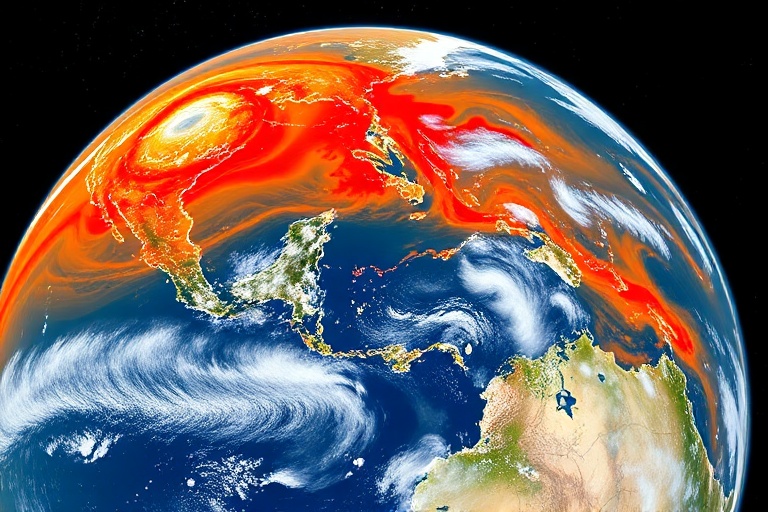
2026 El Niño Intensity Forecast: What to Expect
Understanding the 2026 El Niño Intensity Forecast
The forecast for the 2026 El Niño phenomenon has garnered significant attention from meteorologists and climate scientists. El Niño events, characterized by the warming of ocean surface temperatures in the central and eastern Pacific, have profound impacts on global weather patterns. As we approach 2026, understanding the potential intensity of this event is crucial for preparing for its wide-ranging effects.
What is El Niño?
El Niño is part of a larger climate pattern known as the El Niño-Southern Oscillation (ENSO). This oscillation includes both El Niño and its counterpart, La Niña, which is characterized by cooler ocean temperatures. The effects of El Niño can be felt worldwide, influencing precipitation patterns, temperature extremes, and even storm activity.
During El Niño years, certain regions may experience:
- Increased rainfall in the southern United States and parts of South America
- Drier conditions in Australia and Southeast Asia
- Warmer winters in the northern U.S. and Canada
- Increased hurricane activity in the Pacific
Current Forecasts for 2026
As of now, meteorological models predict a strong El Niño event for 2026. Factors influencing this forecast include current ocean temperatures, atmospheric conditions, and historical patterns observed during previous El Niño occurrences. The consensus among climate scientists is that the intensity could be comparable to or even exceed significant past events.
Key indicators that support this forecast include:
- Warm sea surface temperatures in the equatorial Pacific
- Changes in trade winds and atmospheric pressure
- Historical data suggesting a cyclical pattern of strong El Niño events every few years
Broader Implications of a Strong El Niño
The repercussions of a strong El Niño stretch beyond just weather anomalies. Economically, various sectors, including agriculture, fishing, and energy, could be significantly impacted. For example, regions that depend on predictable rainfall patterns may face crop failures, leading to food shortages and increased prices.
Furthermore, the potential for extreme weather events raises concerns about disaster preparedness and response. Flooding, droughts, and heatwaves can lead to humanitarian crises, prompting governments and organizations to strategize for emergency responses.
Additionally, the interplay between climate change and El Niño events is an area of ongoing research. Some scientists suggest that climate change may amplify the effects of El Niño, leading to more severe weather patterns. This connection underscores the importance of understanding and monitoring these events.
Conclusion
As we look ahead to 2026, the forecast for a strong El Niño presents both challenges and opportunities. While the potential impacts on global weather patterns and economies are significant, they also highlight the need for proactive measures in disaster preparedness and climate adaptation. Understanding the nuances of El Niño will be essential for mitigating its effects and safeguarding communities worldwide.
For further insights into climate phenomena and their implications, visit our Science and News category pages.