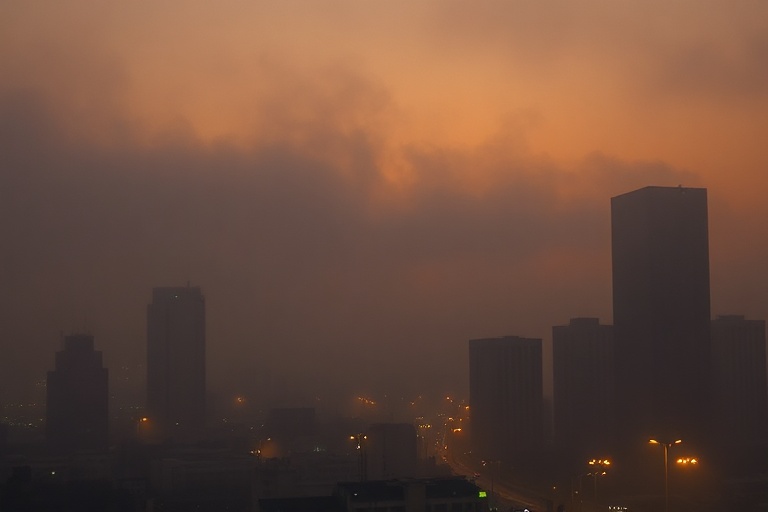
air quality
“`html
Understanding Air Quality: Why It Matters More Than You Think
The air we breathe is invisible, yet its quality shapes our health, environment, and daily lives in ways we often overlook. From urban centers choked by smog to remote wilderness areas where pollution lingers, air quality fluctuates based on factors as varied as industrial emissions and natural wildfires. Recent studies reveal that poor air quality contributes to millions of premature deaths annually, making it one of the most pressing environmental challenges of our time.
The Science Behind Air Quality: What’s in the Air?
Air quality refers to the cleanliness of the air we inhale, measured by the concentration of pollutants. The most common pollutants tracked by environmental agencies include:
- Particulate Matter (PM2.5 and PM10): Tiny particles or droplets in the air that can penetrate deep into the lungs and even enter the bloodstream. Sources include vehicle emissions, dust, and industrial processes.
- Ground-Level Ozone (O3): A harmful gas formed when pollutants like nitrogen oxides and volatile organic compounds react in sunlight. It can cause respiratory issues and damage lung tissue.
- Nitrogen Dioxide (NO2): A gaseous pollutant primarily emitted from vehicle exhaust and power plants. High levels are linked to asthma and other respiratory diseases.
- Sulfur Dioxide (SO2): Released by burning fossil fuels, particularly coal and oil. It contributes to acid rain and can irritate the eyes and throat.
- Carbon Monoxide (CO): A colorless, odorless gas produced by incomplete combustion in vehicles and industrial facilities. It reduces oxygen in the blood and can be fatal in high concentrations.
These pollutants are often measured using the Air Quality Index (AQI), a standardized scale that categorizes air quality from “Good” to “Hazardous.” Governments and environmental organizations use AQI data to issue health advisories and implement policies to reduce pollution.
Urban vs. Rural: Where Is Air Quality Worse?
While urban areas are frequently criticized for their poor air quality due to traffic congestion, industrial activity, and dense populations, rural regions are not immune. Agricultural practices, wildfires, and even natural dust storms can significantly degrade air quality in less populated areas. For example, wildfires in the western United States have repeatedly pushed AQI levels into the “Unhealthy” range, affecting residents hundreds of miles away.
In cities, the problem is often more concentrated. Major metropolitan areas like Los Angeles, Delhi, and Beijing have long battled severe smog, leading to strict emissions regulations and public health campaigns. However, even smaller cities face challenges as industrial zones expand and vehicle ownership rises. The contrast between urban and rural air quality highlights the need for localized solutions rather than one-size-fits-all approaches.
Health and Environmental Consequences of Poor Air Quality
The impact of air pollution extends far beyond momentary discomfort. Long-term exposure to polluted air has been linked to a range of serious health conditions, including:
- Respiratory Diseases: Chronic exposure to PM2.5 and ozone can lead to asthma, bronchitis, and chronic obstructive pulmonary disease (COPD). Children and the elderly are particularly vulnerable.
- Cardiovascular Problems: Fine particulate matter can enter the bloodstream, increasing the risk of heart attacks, strokes, and high blood pressure.
- Cancer: The International Agency for Research on Cancer classifies outdoor air pollution as a Group 1 carcinogen, responsible for thousands of cancer cases annually.
- Mental Health: Emerging research suggests a correlation between poor air quality and cognitive decline, as well as increased stress and anxiety levels.
- Environmental Damage: Pollutants like sulfur dioxide and nitrogen oxides contribute to acid rain, which harms forests, lakes, and soil. Ozone at ground level also damages crops and reduces agricultural yields.
Beyond human health, air pollution disrupts ecosystems. Acid rain alters soil chemistry, making it harder for plants to absorb nutrients. Marine life suffers as pollutants like nitrogen runoff create dead zones in oceans. The interconnectedness of these issues underscores the need for holistic environmental policies that address air, water, and land pollution simultaneously.
What Can Be Done? Solutions and Policy Responses
Improving air quality requires a multi-faceted approach involving governments, industries, and individuals. Some of the most effective strategies include:
- Regulating Industrial Emissions: Governments can enforce stricter limits on pollutants from factories and power plants. Technologies like scrubbers and catalytic converters can significantly reduce emissions.
- Promoting Clean Energy: Transitioning from fossil fuels to renewable energy sources like solar, wind, and hydroelectric power can cut emissions at their source. Cities like Copenhagen and Reykjavik have made significant strides in this area.
- Expanding Public Transportation: Encouraging the use of buses, trains, and bicycles reduces vehicle emissions. Investments in electric vehicle infrastructure also play a crucial role.
- Urban Planning and Green Spaces: Cities can incorporate more parks and green roofs, which act as natural air filters. Tree-lined streets and vertical gardens help absorb pollutants and cool urban areas.
- Individual Actions: Simple steps like reducing car use, properly maintaining heating systems, and avoiding outdoor exercise during high-pollution days can collectively make a difference.
International cooperation is also essential. Agreements like the Paris Climate Accord aim to unite countries in reducing greenhouse gas emissions, which indirectly improves air quality. However, enforcement remains a challenge, particularly in developing nations where industrial growth often takes precedence over environmental concerns.
A Call to Action: Why Air Quality Should Be a Priority
Air quality is not just an environmental issue—it is a public health crisis, an economic burden, and a social equity concern. Low-income communities and marginalized groups often bear the brunt of pollution, as industrial facilities and highways are frequently located in these areas. Addressing air quality disparities requires targeted policies that prioritize vulnerable populations.
As individuals, we can advocate for change by supporting policies that reduce emissions, investing in clean energy, and making sustainable choices in our daily lives. For more insights into environmental policies and their impacts, explore Dave’s Locker News and Dave’s Locker Science sections, where we delve into the intersection of policy, technology, and science.
While the challenges are significant, the solutions are within reach. By raising awareness and taking collective action, we can ensure that the air we breathe today is safe for future generations. The time to act is now—before the invisible threat of air pollution becomes an irreversible reality.
—
METADATA
{
“title”: “The Hidden Dangers of Poor Air Quality and How to Fix It”,
“metaDescription”: “Explore the health risks, causes, and solutions for air pollution affecting millions worldwide.”,
“categories”: [“Health”, “Science”],
“tags”: [“air pollution”, “public health”, “environmental science”, “clean air”, “climate change”],
“imageDescription”: “A split-image showing a polluted city skyline with smog on one side and a pristine forest with clear skies on the other, highlighting the contrast between poor and good air quality.”
}
—END METADATA—
“`