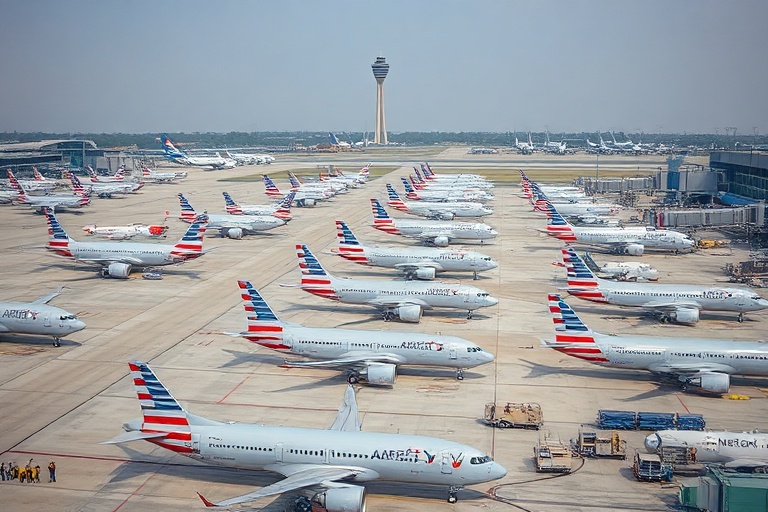
On a recent Wednesday afternoon, Dallas/Fort Worth International Airport (DFW) experienced a temporary ground stop that affected American Airlines operations. The Federal Aviation Administration (FAA) issued the stop due to severe weather conditions in the region, including thunderstorms and high winds. While ground stops are not uncommon during severe weather, the timing and duration can significantly impact flight schedules and passenger plans.
American Airlines, which operates its largest hub at DFW, scrambled to manage the disruption. Ground stops essentially pause all takeoffs and landings at an airport, creating a ripple effect across the airline’s network. Passengers with connecting flights or those scheduled to depart from DFW found themselves facing delays or cancellations. The situation highlighted the vulnerabilities in air travel systems when weather disrupts normal operations.
How the Ground Stop Unfolded
The FAA’s decision to implement the ground stop came after meteorologists detected rapidly changing conditions in the Dallas-Fort Worth area. Thunderstorms with heavy rain and gusty winds posed risks to aircraft attempting to land or take off. Ground stops are a precautionary measure to ensure safety, as strong crosswinds can make landings particularly hazardous, especially for larger aircraft like those operated by American Airlines.
The stop lasted approximately two hours, during which time American Airlines worked with the FAA to monitor conditions. Ground stops are not the same as airport closures; rather, they temporarily halt departures and arrivals while allowing the facility to assess safety conditions. Once the storms passed and wind speeds decreased, flights resumed on a staggered schedule to manage the backlog of delayed aircraft.
Passengers on the ground reported seeing a mix of frustration and patience as they waited for updates. Many took to social media to share their experiences, with some noting long lines at customer service desks while others praised the airline’s communication efforts. The incident served as a reminder of how quickly travel plans can change when weather interferes.
Impact on Passengers and Operations
The ground stop created a domino effect across American Airlines’ network. DFW is the airline’s primary hub, handling thousands of daily flights. When operations at the airport stall, it affects not only inbound and outbound flights but also connecting passengers traveling to and from other destinations. The airline estimated that hundreds of flights were delayed or canceled as a result of the ground stop.
For passengers, the experience varied widely depending on their itineraries. Those with early-morning departures faced fewer disruptions, while travelers scheduled to leave later in the day encountered cascading delays. American Airlines deployed additional staff to rebook passengers on alternative flights and provided meal vouchers to those affected by long waits. However, the sheer volume of impacted travelers stretched resources thin at peak times.
Long-term effects included missed connections for international travelers and disruptions for crews scheduled to operate subsequent flights. Pilots and flight attendants had to adjust their duty times, which can lead to fatigue concerns if not managed properly. The airline’s operations center worked around the clock to mitigate the fallout, but the ground stop underscored the challenges of managing a complex hub operation.
Lessons from the Ground Stop
Incidents like the DFW ground stop offer valuable lessons for airlines and passengers alike. For airlines, the event highlighted the importance of robust contingency planning. American Airlines has invested heavily in technology to monitor weather patterns and adjust schedules proactively. However, even the best-laid plans can be disrupted by unpredictable weather, requiring flexibility and quick decision-making.
Passengers, on the other hand, can take steps to minimize the impact of such disruptions. Checking flight status before heading to the airport, signing up for airline notifications, and having a backup travel plan are all prudent measures. The ground stop also served as a reminder of the human element in air travel. Behind every flight delay is a team of professionals working to ensure safety while managing chaos.
Looking ahead, the industry continues to explore ways to reduce the impact of weather-related disruptions. Innovations such as improved radar systems and artificial intelligence-driven forecasting tools may help airlines anticipate and respond to weather events more effectively. Until then, passengers should remain patient and prepared for the unexpected when flying through hubs like DFW.
What to Do If You’re Affected
If you find yourself caught in a ground stop or similar disruption, here are some steps to take:
- Check your flight status: Use the airline’s app or website for real-time updates. Flight statuses can change rapidly during weather events.
- Contact the airline: If you’re already at the airport, visit the customer service desk or call the airline’s customer support line. Be prepared for long wait times during peak disruption periods.
- Explore rebooking options: Many airlines waive change fees during major disruptions. Ask about alternative flights or standby options for earlier or later departures.
- Stay informed: Follow the airline and airport on social media for updates. Sign up for text alerts if you haven’t already.
- Be patient and flexible: Weather-related disruptions are beyond anyone’s control. While frustration is understandable, remember that safety is the top priority for airlines and regulators.
For more insights on travel disruptions and how to navigate them, visit our Travel category page. You can also explore News for updates on similar incidents and their broader implications.
Final Thoughts
The DFW ground stop was a reminder of the fragility of air travel systems in the face of nature’s unpredictability. While airlines like American Airlines strive for efficiency and reliability, weather remains an uncontrollable variable. The incident also showcased the resilience of both airlines and passengers in adapting to challenges. As climate patterns continue to shift, the industry will need to evolve, balancing operational demands with safety and customer service.
For now, travelers can only hope for smoother skies ahead. In the meantime, staying informed and prepared can make all the difference when disruptions occur.