In the high-stakes world of global defense and aerospace, few names carry as much weight—or as much controversy—as BAE Systems. The British multinational giant doesn’t just supply military hardware; it shapes international security landscapes, influences geopolitical alliances, and operates in the shadows of some of history’s most pivotal conflicts. From fighter jets to cybersecurity, BAE Systems’ reach extends far beyond traditional defense contracting, embedding itself into the fabric of modern warfare and technological advancement.
The Evolution of a Defense Titan
BAE Systems didn’t emerge overnight. Its roots trace back to the post-World War II era, when the British government consolidated its aviation and defense industries to compete on the global stage. The company as we know it today was formed in 1999 through the merger of British Aerospace (BAe) and Marconi Electronic Systems, creating a powerhouse with unparalleled expertise in aerospace, electronics, and land systems.
The merger wasn’t just a business move—it was a strategic necessity. The collapse of the Soviet Union left Western defense firms scrambling for relevance, while emerging markets in the Middle East and Asia demanded advanced weaponry. BAE Systems positioned itself at the intersection of these needs, leveraging its deep ties to the UK government and expanding aggressively into international markets.
Today, BAE Systems is the largest defense contractor in Europe and one of the top ten globally. Its portfolio includes everything from the Tornado GR4 fighter jet to the Type 45 destroyer, systems used by militaries from the UK to Saudi Arabia. But its influence isn’t limited to hardware. The company has quietly become a leader in emerging technologies, including artificial intelligence, autonomous systems, and next-generation radar.
A Controversial Footprint: Ethics and Geopolitics
BAE Systems’ global reach comes with significant ethical baggage. The company has faced repeated scrutiny over arms sales to regimes with poor human rights records, including Saudi Arabia, which has used British-made jets in its controversial bombing campaigns in Yemen. Critics argue that BAE Systems profits from conflict while contributing to humanitarian crises.
The company has also been embroiled in corruption scandals. In 2010, BAE Systems pleaded guilty to U.S. charges of falsifying records to conceal bribes paid to foreign officials—part of a $400 million settlement, one of the largest in corporate history. These incidents have cemented BAE Systems’ reputation as a company that operates in the gray areas of international law, where profit often trumps principle.
Yet, BAE Systems defends its role, arguing that it provides critical defense capabilities to allies and helps maintain global stability. The company points to its work in cybersecurity and homeland defense as evidence of its commitment to broader security goals. Still, the ethical dilemmas remain a persistent shadow over its operations.
Innovation at the Edge: Beyond Traditional Defense
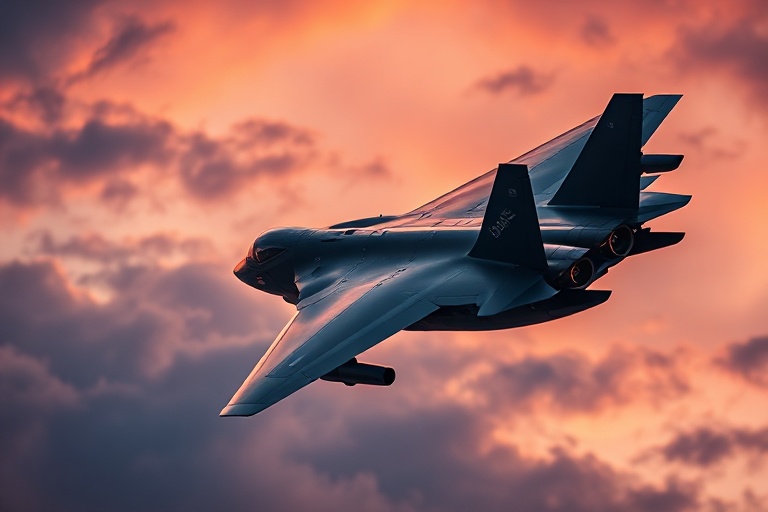
While BAE Systems’ legacy is rooted in traditional warfare, the company has pivoted aggressively toward next-generation technologies. Its work in autonomy and artificial intelligence is particularly noteworthy. Projects like the Taranis unmanned combat aerial vehicle (UCAV) demonstrate how BAE Systems is redefining modern combat, blending stealth, AI-driven decision-making, and long-range strike capabilities.
The company is also investing heavily in cybersecurity, recognizing that future conflicts will be fought as much in digital trenches as on physical battlefields. BAE Systems’ cyber division works with governments and corporations to defend against state-sponsored hacking, ransomware attacks, and critical infrastructure threats. This shift reflects a broader industry trend: defense contractors are no longer just suppliers of weapons; they are architects of the digital battlespace.
Another area of growth is space. BAE Systems has expanded into satellite technologies and space-based surveillance, positioning itself as a key player in the emerging domain of space warfare. With nations like the U.S., China, and Russia increasingly viewing space as a contested military frontier, BAE Systems’ expertise in satellite communications and electronic warfare could prove invaluable.
The Broader Implications: A Company That Shapes the Future
BAE Systems’ influence extends beyond its immediate business operations. The company’s decisions—whether in arms sales, technological innovation, or strategic partnerships—ripple across global politics. For instance, its long-standing relationship with the UK’s Ministry of Defence ensures that British military doctrine is often aligned with BAE Systems’ capabilities. This symbiotic relationship raises questions about the privatization of national security and the potential conflicts of interest inherent in such close ties.
Moreover, BAE Systems’ role in shaping defense technologies has broader implications for the future of warfare. As autonomous systems and AI become more prevalent, the ethical and operational challenges will only intensify. Who controls these systems? How are decisions made in life-and-death scenarios? BAE Systems, like other defense giants, finds itself at the center of these debates, forced to navigate the fine line between innovation and accountability.
The company’s work also highlights the growing militarization of technology. Drones, cyber tools, and AI-driven systems once considered the stuff of science fiction are now standard components of modern arsenals. BAE Systems is not just adapting to this new reality; it is helping to define it. In doing so, it blurs the lines between defense contractors, tech companies, and governments, creating a complex web of influence that shapes global security.
Key Takeaways: What You Need to Know About BAE Systems
- Global Reach: BAE Systems is the largest defense contractor in Europe and a top ten player worldwide, with operations spanning aerospace, land systems, and cybersecurity.
- Controversial Legacy: The company has faced repeated allegations of unethical arms sales, corruption, and involvement in human rights violations, particularly in conflicts like Yemen.
- Technological Pivot: BAE Systems is shifting focus toward AI, autonomy, and cybersecurity, positioning itself as a leader in next-generation defense technologies.
- Geopolitical Influence: The company’s close ties to governments, particularly the UK’s Ministry of Defence, raise questions about the privatization of national security.
- Ethical Dilemmas: As warfare evolves, BAE Systems must grapple with the moral implications of its innovations, from autonomous weapons to space-based surveillance.
Conclusion: A Company at the Crossroads
BAE Systems stands at a crossroads. On one hand, it is a titan of global defense, a company whose innovations have redefined modern warfare and whose reach extends into nearly every major conflict zone. On the other hand, it is a corporation mired in controversy, accused of profiting from human suffering and operating outside the bounds of ethical responsibility.
The future of BAE Systems will be shaped by its ability to reconcile these dualities. Can it innovate responsibly? Can it navigate the ethical minefields of modern warfare without becoming a pariah? And can it maintain its dominance in an industry that is rapidly evolving beyond traditional defense contracting?
One thing is certain: BAE Systems’ story is far from over. As long as nations seek to project power, protect their interests, and defend against emerging threats, companies like BAE Systems will remain indispensable—and controversial. The question is not whether they will continue to shape the future of defense, but whether they will do so with a conscience.