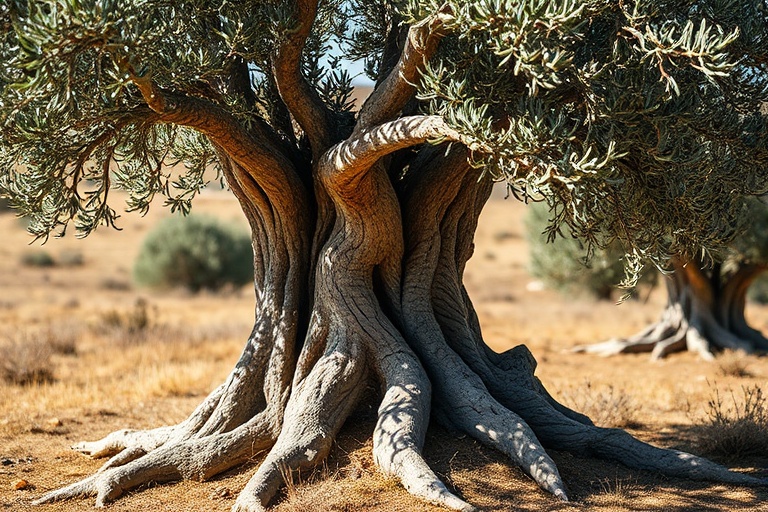
perennial
“`html
The Quiet Power of Perennial: Why These Plants Keep Coming Back
Published on
There’s a quiet persistence in nature that often goes unnoticed. While annuals race through their life cycles in a single season, perennials move at a different pace—sinking deep roots, storing energy, and returning year after year with minimal care. These plants represent more than just low-maintenance gardening; they embody resilience, sustainability, and a connection to the rhythms of the earth that transcend a single growing season.
Perennials have shaped human agriculture for millennia. Ancient civilizations cultivated fig trees, grapevines, and asparagus—not because they offered quick results, but because their longevity provided food security. Today, gardeners and farmers are rediscovering what our ancestors knew: investing in perennials means planting for the future. Unlike annuals that demand yearly replanting, perennials establish themselves, improving soil health and supporting ecosystems over time.
The Science Behind Perennial Longevity
Perennials survive winter by storing nutrients in their roots, bulbs, or rhizomes. When temperatures rise, they sprout anew from these reserves. This strategy contrasts sharply with annuals, which complete their entire life cycle—from seed to seed—in a single growing season. Scientists classify perennials based on their life strategies. Some, like peonies, can live for decades, while others, such as columbines, may persist for 5–10 years before needing replacement.
The longevity of perennials isn’t just a biological curiosity; it’s a model for sustainable agriculture. Perennial crops like almond trees and asparagus reduce the need for tilling, which in turn prevents soil erosion and preserves microbial life. Research from the Land Institute in Kansas has shown that perennial wheatgrass could revolutionize grain farming by producing harvests without annual replanting, cutting fuel use and carbon emissions associated with tillage.
Types of Perennials and Their Roles in the Garden
Not all perennials function the same way. Some are evergreen, retaining foliage year-round, while others die back in winter and re-emerge in spring. The most common types include:
- Herbaceous perennials: Plants with non-woody stems that die back in winter (e.g., hostas, daylilies).
- Woody perennials: Shrubs and trees that persist through winter (e.g., lavender, roses).
- Bulb perennials: Underground storage organs that regrow each season (e.g., daffodils, tulips).
- Stoloniferous perennials: Spread via runners to form colonies (e.g., mint, strawberries).
The diversity among perennials allows gardeners to design landscapes that bloom continuously, support pollinators, and require less maintenance. For example, a border of Russian sage, coneflowers, and black-eyed Susans can provide color from early summer until frost, while also offering nectar for bees and butterflies.
Perennials in the Climate Conversation
As climate change intensifies, perennials are gaining attention for their environmental benefits. Their deep root systems sequester carbon more effectively than annual crops, helping to mitigate greenhouse gas emissions. A study published in Global Change Biology found that perennial grasslands can store up to 30% more carbon in the soil compared to annual croplands. This makes them a valuable tool in regenerative agriculture, where the goal is not just to feed people, but to heal the land.
Perennials also excel in water conservation. Their extensive root networks access moisture deep underground, reducing the need for irrigation. In drought-prone regions, plants like sedum and yarrow thrive with minimal water, making them ideal choices for xeriscaping—a landscaping approach that minimizes water use.
“Perennials are the ultimate low-input, high-reward plants. They ask for patience but give back in abundance—beauty, resilience, and ecological stability.” — Dr. Elena Vasquez, Horticulturist and Author
Challenges and Considerations for Growing Perennials
While perennials offer numerous advantages, they’re not without drawbacks. Their slow establishment period means gardeners must wait a year or two for full blooms. Some varieties, like peonies, can take up to three years to reach maturity. Additionally, perennials may require pruning, division, or staking to maintain vigor and appearance.
Another consideration is the risk of overplanting. Stoloniferous perennials like mint can become invasive if not contained. Gardeners must also account for site conditions—shade-loving perennials like hostas won’t thrive in full sun, while sun-seekers like lavender will languish in shade. Soil health is critical; perennials perform best in well-draining, nutrient-rich soil. Amending heavy clay or sandy soil with organic matter can make a significant difference in their longevity and performance.
Designing with Perennials: Tips for a Year-Round Garden
Creating a perennial garden that offers beauty and function requires planning. Start by assessing your climate zone and sunlight exposure. The USDA Plant Hardiness Zone Map is an invaluable tool for selecting species that will thrive in your area. Next, consider bloom times. A well-designed garden should have overlapping bloom periods to ensure continuous color.
Layering is another key principle. Combine tall plants like delphiniums and hollyhocks at the back of borders with mid-height varieties such as coneflowers and bee balm, and low growers like creeping thyme or ajuga at the front. This not only creates visual interest but also maximizes space.
Don’t overlook foliage. Many perennials, such as heuchera and ornamental grasses, offer stunning leaf textures and colors that persist long after flowers fade. Pairing these with flowering perennials ensures year-round visual appeal.
For those new to perennial gardening, starting with easy-to-grow varieties can build confidence. Consider these reliable options:
- Black-eyed Susan (Rudbeckia hirta): Drought-tolerant, long-blooming, and attracts pollinators.
- Sedum (Stonecrop): Thrives in poor soil, offers late-season blooms, and provides winter interest.
- Catmint (Nepeta): Fragrant, deer-resistant, and blooms from spring to fall.
- Hosta: Shade-tolerant foliage plant with striking variegation.
The Future of Perennials: Beyond the Garden
The principles of perennial agriculture extend beyond ornamental gardening. Researchers are exploring perennial versions of staple crops like rice, sorghum, and wheat. These crops could reduce the environmental footprint of global food production while increasing resilience to climate variability. The Land Institute’s work on perennial wheat, for example, aims to create a grain that doesn’t require annual replanting, thereby reducing soil erosion and water use.
Perennials also play a role in urban landscapes. Green roofs and living walls increasingly feature sedum and other hardy perennials to combat the urban heat island effect and manage stormwater runoff. Cities like Chicago and Portland have integrated perennial plantings into public spaces, demonstrating their potential to improve urban environments.
In the realm of landscaping, perennials are becoming a cornerstone of sustainable design. Homeowners and municipalities are turning to native perennials to reduce water consumption and support local ecosystems. Plants like milkweed (essential for monarch butterflies) and coneflowers are no longer just garden staples—they’re environmental allies.
A Lasting Legacy
Perennials teach us about patience and persistence. They remind us that what endures isn’t always what’s visible at first glance. Their roots run deep, both literally and metaphorically, anchoring them through seasons of change. In a world where instant gratification often trumps long-term thinking, perennials offer a counterpoint—a quiet, steadfast presence that rewards those willing to wait.
Whether you’re a seasoned gardener or a novice with a balcony, incorporating perennials into your space is an act of faith in the future. It’s a commitment to beauty that outlasts a single season, to ecosystems that thrive beyond a single year, and to a way of living that prioritizes sustainability over speed. In their persistence, perennials embody a philosophy worth planting—and nurturing—for generations to come.
—
METADATA
{
“title”: “Why Perennial Plants Outlast Annuals and Sustain Gardens”,
“metaDescription”: “Discover why perennials thrive year after year with less care than annuals, and how they support sustainable gardening and ecosystems.”,
“categories”: [“Gardening”, “Sustainability”],
“tags”: [“perennial plants”, “sustainable gardening”, “deep roots”, “climate-resilient plants”, “year-round garden design”],
“imageDescription”: “A vibrant garden border featuring tall purple coneflowers, golden black-eyed Susans, and silvery lamb’s ear, with bees pollinating the blooms. The scene is set in late summer, with warm sunlight filtering through the plants, highlighting their textures and colors. The mood is serene and abundant, showcasing the enduring beauty of perennials.”
}
—END METADATA—
“`