CONMEBOL Libertadores: South America’s Premier Club Football Tournament
The CONMEBOL Libertadores stands as the most prestigious club football competition in South America, drawing comparisons to Europe’s UEFA Champions League. Organized by the South American Football Confederation, this annual tournament brings together the continent’s top clubs in a battle for regional supremacy. Unlike domestic leagues, the Libertadores tests teams across multiple months, often under intense pressure and unpredictable conditions. Its history is rich with legendary matches, dramatic comebacks, and moments that have defined generations of players and fans alike.
The Tournament’s Structure and Evolution
Founded in 1960, the CONMEBOL Libertadores began as a modest competition with just seven participating teams. Over the decades, it has expanded significantly, now featuring 47 clubs from ten South American nations. The tournament’s format has also evolved, shifting from a straightforward knockout system to a hybrid model that includes group stages and knockout rounds. Today, the competition spans from February to October, culminating in a high-stakes final played over two legs—home and away.
The group stage, introduced in 2004, was a pivotal change. It allowed more clubs to compete while increasing the tournament’s unpredictability. Teams are drawn into eight groups of four, with each club playing six matches. The top two from each group advance to the Round of 16, where the drama truly begins. This structure has led to some of the Libertadores’ most memorable moments, including underdog victories and last-minute turnarounds.
Iconic Clubs and Historic Winners
No discussion of the CONMEBOL Libertadores is complete without mentioning the clubs that have dominated its history. Argentine giants Boca Juniors and Independiente hold the record for the most titles, with six and seven championships respectively. Boca’s 2000s era, led by figures like Juan Román Riquelme, remains one of the most celebrated in the competition’s history. Meanwhile, Independiente’s seven titles, including four in the 1970s and 1980s, solidified their reputation as the tournament’s original powerhouse.
Brazilian clubs have also left an indelible mark. São Paulo, with three titles in the 1990s and early 2000s, showcased their tactical prowess under managers like Muricy Ramalho. Flamengo, one of Brazil’s most popular clubs, claimed their first Libertadores title in 2019, ending a 38-year drought. The victory was a testament to their attacking style and resilience, culminating in a dramatic 2-1 win over River Plate in the final.
On the other side of the pitch, Uruguayan clubs have punched above their weight. Peñarol, with five titles, and Nacional, with three, have consistently challenged the continent’s giants. Their success highlights the competitive balance in South American football, where smaller markets can still produce world-class talent and teams.
The Libertadores vs. The Champions League: A Matter of Style and Stakes
Comparisons between the CONMEBOL Libertadores and Europe’s Champions League are inevitable, yet the two competitions offer distinct experiences. The Champions League is often seen as the pinnacle of club football, with its financial clout and star-studded lineups. In contrast, the Libertadores thrives on raw passion, tactical innovation, and a level of unpredictability that Europe’s elite tournament sometimes lacks.
One key difference lies in the playing styles. South American football is renowned for its technical skill, creativity, and flair. The Libertadores frequently showcases players who excel in tight spaces, dribbling past defenders, and delivering pinpoint passes. European football, while tactically sophisticated, often prioritizes physicality and pressing. This contrast makes the Libertadores a breeding ground for players who later thrive in Europe, such as Lionel Messi and Neymar.
Another factor is the tournament’s intensity. The two-legged finals, played in front of fervent home crowds, create an atmosphere that is unmatched anywhere else in world football. The knowledge that a single mistake can cost a team the title adds to the drama, making the Libertadores a test of both skill and mental fortitude.
Notable Moments and Controversies
The CONMEBOL Libertadores has been the stage for countless unforgettable moments, both triumphant and controversial. One such moment came in 2018, when Boca Juniors and River Plate faced off in a final dubbed the “Superclásico of the Americas.” The tie was marred by violence, including a bus attack on River’s players, leading to the second leg being moved to Madrid. Despite the chaos, River Plate triumphed 5-3 on aggregate, cementing their place in Libertadores folklore.
Another landmark occasion was Flamengo’s 2019 victory, which ended a long wait for Brazilian dominance in the competition. Their journey included a dramatic 2-0 comeback against Grêmio in the semifinals, followed by a nerve-wracking final against River Plate. The triumph was a statement from Brazilian football, proving that even with a depleted squad, passion and belief could overcome adversity.
The tournament has also seen its share of controversies, from refereeing disputes to allegations of match-fixing. In 2017, Chapecoense’s tragic plane crash cast a shadow over the competition. The Brazilian club, which had reached the final that year, was devastated by the loss of most of its squad. CONMEBOL responded by awarding Chapecoense the 2016 title posthumously, a gesture that underscored the tournament’s emotional depth.
Why the Libertadores Matters Today
In an era where global football is increasingly dominated by European clubs, the CONMEBOL Libertadores remains a vital platform for South American talent. It is the proving ground for players who may never get the chance to shine in Europe. Clubs like Athletico Paranaense and Defensa y Justicia have used the tournament as a springboard to greater success, both domestically and internationally.
The Libertadores also plays a crucial role in the development of South American football. By providing a high-level competition, it helps clubs refine their tactics and youth academies produce the next generation of stars. For fans, it is more than just a tournament—it is a celebration of identity, culture, and footballing passion.
With the rise of streaming services and social media, the Libertadores has gained a global audience. Matches are broadcast in over 130 countries, and platforms like Dave’s Locker Sports provide in-depth coverage for fans worldwide. This increased visibility has helped the tournament grow beyond its traditional fanbase, attracting new followers who appreciate its unique blend of drama and skill.
The Road Ahead
As the CONMEBOL Libertadores continues to evolve, its future looks bright. Expansion plans, including the potential addition of more clubs from North and Central America, could further elevate its status. The introduction of Video Assistant Referee (VAR) technology has also added a new layer of fairness, though it has sparked debates of its own.
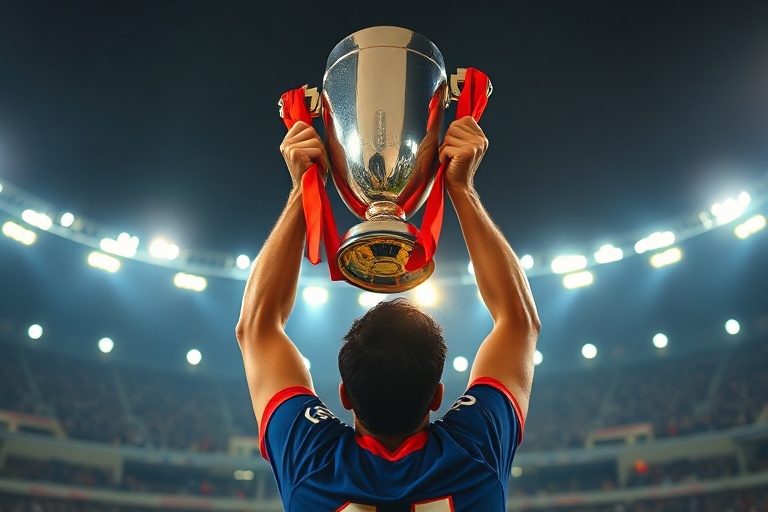
For clubs, the dream remains the same: to lift the coveted trophy and etch their names into Libertadores history. For players, it is the ultimate stage to showcase their talent and secure moves to Europe’s elite clubs. And for fans, it is a chance to witness football at its most intense and emotional.
The CONMEBOL Libertadores is more than just a tournament—it is the heartbeat of South American football. Its legacy is built on unforgettable moments, legendary clubs, and the unwavering passion of its supporters. As the competition enters its seventh decade, it continues to captivate audiences, proving that in the world of football, South America remains a powerhouse of talent and tradition.