Diablo IV Review: A Dark Return to Form for Blizzard’s Franchise
“`html
Diablo IV: A Return to Form for Blizzard’s Dark Fantasy Series
Blizzard Entertainment’s Diablo series has long stood as a pillar of the action RPG genre, blending brutal combat with gothic atmosphere and loot-driven progression. With the release of Diablo IV in June 2023, the developer aimed to refine what made its predecessors successful while addressing criticisms that had crept into the franchise over the years. Nearly two years after its launch, the game continues to evolve through updates and expansions, solidifying its place as a must-play for fans of dark fantasy and hardcore RPGs.
The Evolution of Diablo: From Classic to Modern
The Diablo franchise debuted in 1996, introducing players to a top-down hack-and-squish dungeon crawler set in the war-torn world of Sanctuary. Its sequel, Diablo II (2000), refined the formula with deeper storytelling, more character classes, and a legendary soundtrack, cementing its status as an all-time great. However, Diablo III (2012) faced backlash for its more polished but divisive art style, monetization schemes, and controversial changes to loot systems.
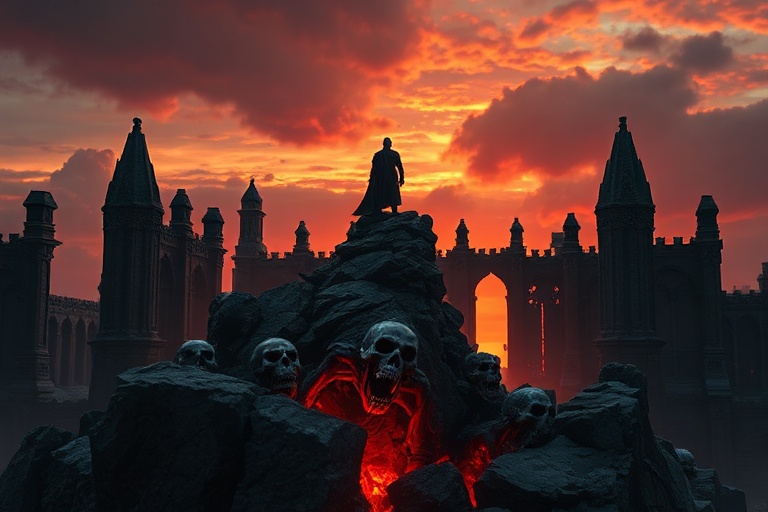
Diablo IV sought to course-correct by returning to the series’ roots while embracing modern design sensibilities. Blizzard reintroduced a darker, grittier aesthetic reminiscent of the original games, featuring hand-painted environments and a moody, atmospheric soundtrack. The game also reworked its loot systems, removing the real-money auction house that had alienated players in Diablo III and streamlining progression to emphasize skill-based combat.
The result was a game that felt both familiar and fresh. Players praised its refined skill trees, improved itemization, and the return of permadeath in hardcore mode—an option absent in Diablo III. The open-world design, a departure from the series’ traditional dungeon crawls, allowed for deeper exploration and dynamic events, though it also sparked debates about pacing and replayability.
Gameplay and Combat: A Balance of Brutality and Depth
Diablo IV’s combat is a fusion of fast-paced action and strategic depth. The game features five distinct classes—Barbarian, Druid, Rogue, Necromancer, and Sorcerer—each with unique playstyles and skill trees. The Barbarian, for example, excels in up-close melee combat, while the Necromancer offers a mix of summoning and spellcasting, catering to both aggressive and defensive players.
One of the game’s standout features is its skill system. Unlike previous entries, Diablo IV allows players to customize their abilities freely, without rigid skill trees. This flexibility encourages experimentation, as players can mix and match skills from different classes to create hybrid builds. For instance, a Rogue might combine stealth-based abilities with elemental damage for a deadly assassin playstyle.
Combat is further enhanced by Diablo IV’s revamped movement system. Dodge rolls, sprinting, and evasive maneuvers are now core mechanics, rewarding players who master positioning and timing. The game’s enemies, from lowly cultists to towering bosses like Duriel and Andariel, demand precision and adaptability, making each encounter feel tense and rewarding.
The endgame content is where Diablo IV truly shines. Players can tackle Nightmare Dungeons for high-tier loot, participate in seasonal events with exclusive rewards, or test their skills in the PvP arena. The game’s Paragon Board system, introduced in the Vessel of Hatred expansion, offers long-term progression by allowing players to unlock powerful bonuses and customization options as they level up beyond the cap.
The World of Sanctuary: Atmosphere and Exploration
The world of Sanctuary in Diablo IV is a sprawling, open-ended map divided into five distinct regions, each with its own lore, enemies, and aesthetic. From the frozen wastelands of Fractured Peaks to the haunted swamps of Hawezar, the environments are richly detailed and evoke a sense of dread and wonder. The game’s art direction is a love letter to the series’ roots, with hand-painted textures and a gothic, medieval-inspired design.
Exploration plays a key role in Diablo IV, though it remains optional. Players can uncover hidden dungeons, solve environmental puzzles, and engage in dynamic events like the Horadric Questline, which ties into the game’s overarching narrative. However, some critics argue that the open world feels underutilized, with many areas serving as backdrops rather than meaningful points of interest.
The story of Diablo IV follows a new hero who becomes embroiled in the eternal conflict between the High Heavens and the Burning Hells. While the narrative is serviceable, it takes a backseat to the game’s mechanics and loot-driven gameplay. The voice acting and cinematic cutscenes are top-notch, but the plot itself is a familiar tale of demonic invasion and heroic resistance.
Blizzard has continued to expand Diablo IV’s world through free updates and paid expansions. The Vessel of Hatred expansion, released in November 2023, introduced the Necromancer class and delved deeper into the lore of the Prime Evils. Future updates promise new zones, bosses, and seasonal events, ensuring that the game remains fresh for both veterans and newcomers.
Community Reception and Future of the Franchise
Diablo IV has received generally positive reviews from both critics and players, with praise directed toward its refined combat, dark atmosphere, and robust endgame content. However, it hasn’t been without controversy. Some players have criticized the game’s monetization, particularly the inclusion of microtransactions for cosmetics and convenience items. Others have pointed out technical issues, such as server instability and balancing problems in endgame modes.
Despite these challenges, Diablo IV has performed well commercially. Blizzard reported over $1 billion in revenue within its first year, a testament to its enduring appeal. The game’s success has also revitalized interest in the franchise, with rumors of a Diablo V already swirling. While Blizzard has remained tight-lipped about future projects, the foundation laid by Diablo IV suggests that the series is in good hands.
For fans of dark fantasy and action RPGs, Diablo IV is a must-play experience. It successfully blends the best elements of the series’ past with modern design choices, creating a game that feels both nostalgic and innovative. Whether you’re a longtime fan or a newcomer to the world of Sanctuary, there’s plenty to enjoy in Blizzard’s latest installment.