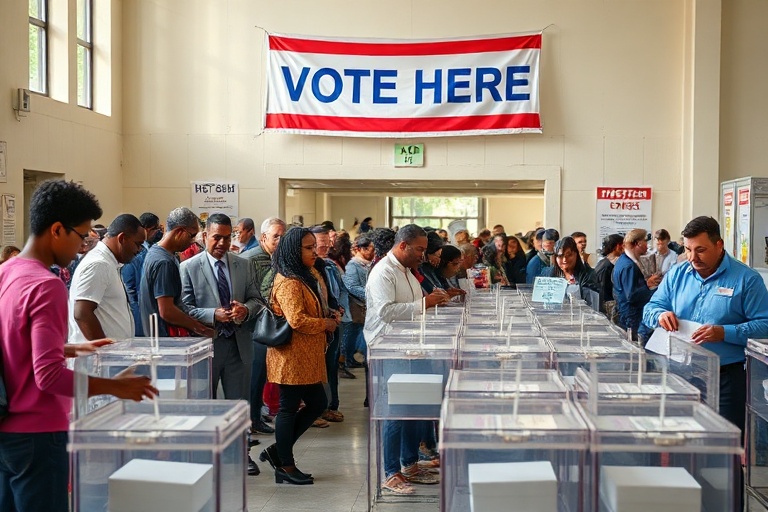
Across the country, polling places are buzzing with activity as citizens prepare to make their voices heard. Today’s elections span local, state, and federal races, each carrying implications for communities nationwide. From school board decisions to congressional races, the stakes are high, and turnout will determine the direction of governance for years to come.
The Local Impact: Why School Boards and Mayoral Races Matter
While national elections often grab headlines, today’s local contests may have the most immediate effect on daily life. School board elections, for instance, influence curriculum standards, teacher salaries, and student resources. In many districts, these races are decided by narrow margins, making every vote critical. Similarly, mayoral elections shape urban policies on housing, public safety, and infrastructure.
Consider the race for mayor in a mid-sized city like Trenton, New Jersey. The candidates differ sharply on economic revitalization and crime reduction strategies. A low-turnout election could swing the result toward a candidate whose policies might not align with the majority’s preferences. Local elections often suffer from voter apathy, yet their outcomes ripple through communities in tangible ways.
Key Local Races Worth Watching
- School Board Elections: Candidates often debate issues like standardized testing, school vouchers, and equity in education funding.
- Mayoral Contests: Focus areas include economic development, public transportation, and law enforcement policies.
- City Council Seats: Decisions here affect zoning laws, tax rates, and community development projects.
Statewide Contests: Ballot Initiatives and Legislative Races
Statewide elections today include legislative races and ballot initiatives that could reshape policies on issues like abortion rights, voting laws, and environmental regulations. In Ohio, for example, voters will decide on a constitutional amendment that could alter the state’s approach to reproductive healthcare. Such measures bypass gridlocked legislatures, placing decisions directly in the hands of constituents.
The outcomes of these races often hinge on voter turnout in key demographics. Young voters, for instance, may prioritize climate policy, while older voters might focus on healthcare and taxes. Campaigns tailor their messages to these groups, emphasizing issues that resonate most strongly with each audience. The results will influence state budgets, education funding, and criminal justice reform for years to come.
Ballot Initiatives to Track
- Abortion Rights: Measures in states like Kansas and Ohio aim to either restrict or protect access to abortion services.
- Voting Access: Proposals range from expanding mail-in voting to implementing stricter ID requirements.
- Taxation and Spending: Initiatives could raise or lower taxes for specific programs, such as education or infrastructure.
Federal Races: Congressional and Senate Battles
Today’s federal elections include all 435 seats in the U.S. House of Representatives and 33 or 34 Senate seats, depending on the state. These races will determine which party controls Congress, thereby shaping legislation on healthcare, immigration, and foreign policy. The balance of power is precarious, with Democrats holding a slim majority in the House and Republicans aiming to regain control of both chambers.
In swing districts, candidates often rely on grassroots organizing and digital campaigns to sway undecided voters. For instance, in Virginia’s 7th District, a tightly contested House race could hinge on suburban voters’ concerns about inflation and public safety. Meanwhile, Senate races in states like Montana and Arizona test the limits of each party’s appeal in politically divided regions.
“The stakes of today’s elections extend beyond party lines. The policies enacted—or blocked—will define the next two years of governance and set the stage for the 2024 presidential race.”
Voter Turnout and the Role of Technology
Voter turnout remains a critical factor in today’s elections. Historically, midterm elections see lower participation than presidential contests, but this year’s turnout could defy expectations. Early voting data suggests high interest, particularly among young voters and communities historically underrepresented at the polls. Organizations like the League of Women Voters are mobilizing volunteers to ensure every eligible voter has access to the ballot.
Technology also plays a role in modern elections. Some states use electronic voting machines, while others rely on paper ballots. Concerns about cybersecurity and misinformation persist, prompting election officials to implement safeguards like audits and paper trails. In Georgia, for example, the state has invested in post-election audits to verify results and build public trust.
Challenges Facing Voters Today
- Polling Place Accessibility: Some voters face long wait times or limited polling locations, particularly in urban areas.
- Misinformation: Social media platforms struggle to combat false claims about polling hours, voter ID laws, and candidate positions.
- Last-Minute Changes: Weather events or unexpected developments, such as candidate withdrawals, can disrupt voting plans.
What’s Next: The Path Forward After Today
Regardless of the outcomes, today’s elections will shape the political landscape for years to come. Winners will face immediate challenges, from addressing campaign promises to navigating legislative gridlock. Losers, meanwhile, will regroup to refine their strategies for future contests. One thing is certain: the results will reverberate through statehouses, Congress, and local governments, influencing policies that affect every aspect of life.
For voters, the work doesn’t end at the ballot box. Civic engagement continues with town halls, advocacy groups, and community organizing. Staying informed and holding elected officials accountable ensures that today’s elections lead to meaningful change. As results come in, the real test begins: translating campaign rhetoric into action that benefits all citizens.
For more insights on political trends and election analysis, visit our News and Politics sections. Understanding the broader context of these races can help voters contextualize the results and their potential impact.
Disclaimer: This article is intended for informational purposes only and does not endorse any political candidates or parties.