Disneyland recently announced a significant shift in its Park Hopper ticket policy, reflecting broader trends in theme park management and guest experience optimization. The change, which takes effect next month, has sparked discussions among frequent park visitors and industry observers alike. Below, we break down the key details and analyze what this means for guests.
The Policy Change Explained
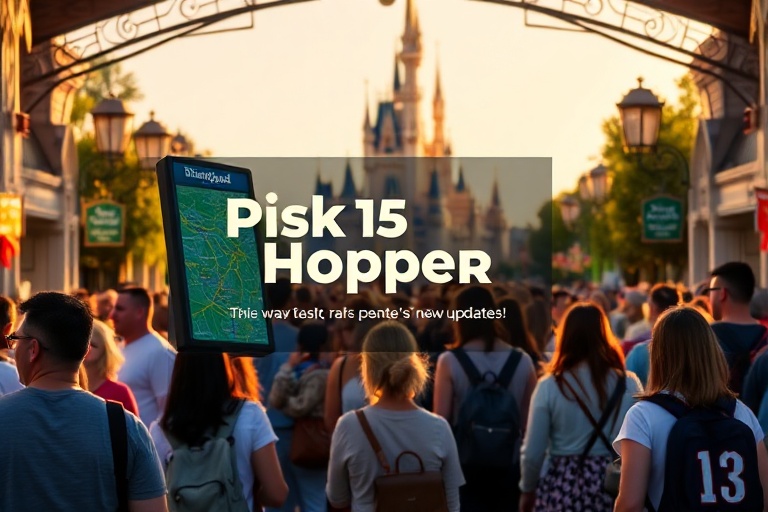
Starting October 1st, Disneyland will implement a new Park Hopper policy that requires guests to make their first park selection before entering any Disneyland Resort theme park. Previously, guests with Park Hopper tickets could visit multiple parks in a single day without restrictions. Under the updated rules, guests must designate their initial park upon arrival.
Once inside the first park, guests can then use the Park Hopper option to visit a second park later in the day. This adjustment aims to improve crowd management and enhance the overall guest experience by reducing congestion at park entrances. Disneyland officials stated that the change aligns with efforts to maintain a balanced park environment while accommodating the growing number of visitors.
Key Dates and Implementation
The new policy will roll out in phases. Guests who purchase Park Hopper tickets before September 30th will be grandfathered into the old system, provided they activate their tickets before the deadline. After October 1st, all new Park Hopper tickets will follow the updated guidelines. Existing ticket holders can review the terms on Disneyland’s official website or through their My Disney Experience app.
Why Disneyland Made This Change
Disneyland’s decision reflects a broader industry trend toward more structured park access. Over the past decade, the resort has seen a steady increase in visitation, with peak days often exceeding 70,000 guests. The original Park Hopper policy, introduced in the 1990s, was designed to offer flexibility, but it has increasingly contributed to overcrowding and longer wait times at attractions.
By requiring guests to choose a primary park, Disneyland hopes to distribute visitors more evenly across its two main parks: Disneyland Park and Disney California Adventure. This approach mirrors strategies used by other major theme parks, such as Universal Studios and SeaWorld, which have implemented similar measures to manage crowds and improve guest satisfaction.
Guest Reactions and Industry Impact
Reactions to the policy change have been mixed. Some frequent visitors appreciate the added structure, noting that it may reduce the chaos of hopping between parks during peak hours. Others, however, express frustration, arguing that the policy diminishes the spontaneity that made Park Hopper tickets appealing in the first place.
A survey conducted by Entertainment Weekly found that 62% of respondents believe the change will have a negative impact on their Disneyland experience. Many cited concerns about flexibility, particularly for families with young children or guests with mobility limitations. Industry analysts suggest that Disneyland may face pushback from loyal customers who value the freedom Park Hopper tickets traditionally provided.
How to Navigate the New Policy
For guests planning a trip to Disneyland after October 1st, preparation will be key. Here’s a step-by-step guide to making the most of the new Park Hopper policy:
- Plan Your Visit: Research both Disneyland Park and Disney California Adventure to decide which park will be your primary destination. Consider factors like ride availability, showtimes, and dining reservations.
- Book Dining Early: Popular restaurants fill up quickly, especially in Disney California Adventure. Use the My Disney Experience app to secure reservations as soon as your trip is booked.
- Arrive Early: The first park you visit will likely be less crowded in the morning. Prioritize must-do attractions and use Genie+ to maximize your time.
- Monitor Park Capacity: Disneyland may implement temporary closures if a park reaches capacity. Check the app for real-time updates and adjust your plans accordingly.
- Be Flexible: If your secondary park is particularly crowded, consider exploring nearby areas like Downtown Disney or the hotels for a break.
Alternative Ticket Options
Guests who prioritize flexibility may want to explore alternative ticket options. Disneyland offers a one-park-per-day ticket, which is often cheaper than the Park Hopper option. Additionally, the new policy does not affect Annual Passholders, who can still hop between parks with their passes, provided they follow the updated guidelines.
For those considering a multi-day trip, Disneyland also offers a Park Hopper Plus option, which includes access to water parks or other recreational areas. This can be a cost-effective way to experience more of the resort without the constraints of the new policy.
Long-Term Implications for Disneyland
The policy change is part of a larger strategy to modernize Disneyland’s operations and enhance guest satisfaction. By managing park capacity more effectively, Disneyland aims to reduce wait times, improve ride availability, and create a more enjoyable experience for all visitors. However, the success of this initiative will depend on guest compliance and Disneyland’s ability to communicate the benefits clearly.
Industry experts predict that other theme parks may follow Disneyland’s lead, particularly as visitation continues to rise. The shift also underscores the growing importance of data-driven decision-making in park management. By analyzing guest behavior and crowd patterns, Disneyland can make informed adjustments to its policies and operations.
What’s Next for Disneyland Guests?
As Disneyland prepares to roll out the new policy, guests are encouraged to stay informed through official channels. The resort has promised to provide additional guidance and resources to help visitors navigate the changes. For those planning a trip in the coming months, now is the time to review ticket options, book dining reservations, and familiarize yourself with the My Disney Experience app.
While the policy change may require some adjustment, it presents an opportunity to rethink how we experience Disneyland. By planning ahead and staying flexible, guests can still enjoy all that the resort has to offer, even under the new guidelines.
Conclusion: Disneyland’s Park Hopper policy change marks a significant shift in how guests interact with the resort. While the new rules may initially feel restrictive, they reflect a broader effort to improve the guest experience and manage crowds more effectively. By planning ahead and staying informed, visitors can continue to enjoy the magic of Disneyland, even as its policies evolve.