Sequoia National Park: A Monument to Nature’s Grandeur
Nestled in the southern Sierra Nevada mountains of California, Sequoia National Park stands as a testament to the raw power and beauty of the natural world. Established in 1890, it was one of the first national parks in the United States, created to protect the towering giant sequoias—a species that has thrived for millennia. Today, it draws millions of visitors annually, not just for its ecological significance, but for the profound sense of awe it inspires in those who walk among its ancient trees.
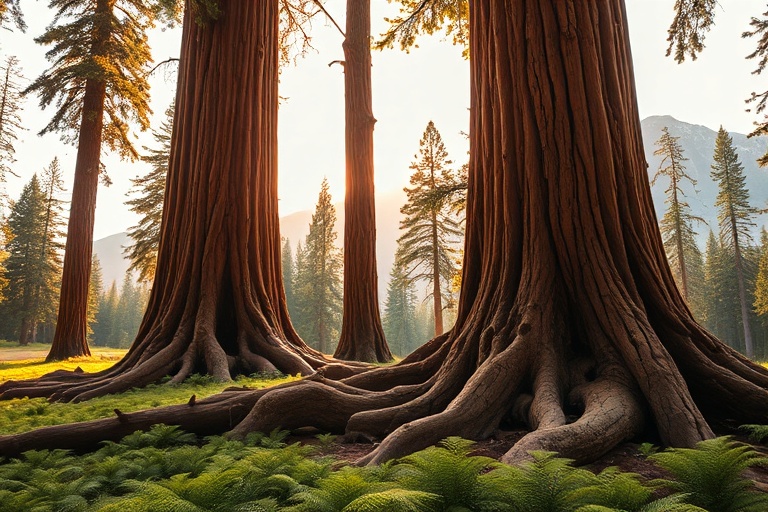
The park’s most iconic feature is the General Sherman Tree, the largest known single-stem tree on Earth by volume. Standing at 275 feet tall with a base circumference of 102 feet, this 2,200-year-old giant weighs an estimated 2.7 million pounds. Its sheer scale is a humbling reminder of nature’s capacity to create wonders that dwarf human achievements. Nearby, the General Grant Tree in neighboring Kings Canyon National Park holds the title of the second-largest tree in the world, further cementing the region’s reputation as a living museum of botanical history.
The Cultural Significance of Sequoia’s Ancient Groves
For indigenous peoples, the sequoias have long held spiritual and practical importance. The Western Mono (Monache) and other Native American tribes considered the giant trees sacred, using their bark for shelter and their branches for ceremonial purposes. The park’s landscape is dotted with petroglyphs and historical sites that tell stories of resilience and adaptation in a rugged environment. Recognizing this heritage, the National Park Service works with tribal descendants to preserve both the cultural and natural integrity of the land.
In the 19th century, as European settlers moved westward, the sequoias became symbols of America’s untamed wilderness. Conservationists like John Muir and Galen Clark campaigned tirelessly to protect these trees from logging, leading to the park’s establishment. Their efforts reflected a growing global movement to preserve natural wonders for future generations—a movement that would later inspire international environmental protections.
The park’s role in shaping environmental consciousness is undeniable. It served as a model for later conservation efforts worldwide, influencing the creation of national parks in countries like Canada, Australia, and New Zealand. Today, Sequoia National Park remains a pilgrimage site for those seeking to reconnect with nature’s grandeur, much like the great cathedrals of Europe once did for spiritual reflection.
Biodiversity and Ecological Wonders
Beyond its famous trees, Sequoia National Park is a biodiversity hotspot. The park spans elevations from 1,300 to 14,505 feet, creating a mosaic of ecosystems. At lower elevations, dense forests of ponderosa pine and white fir give way to alpine meadows blanketed in wildflowers during summer. Higher up, the landscape transforms into stark, rugged peaks, including Mount Whitney—the tallest mountain in the contiguous United States.
The park is home to an astonishing variety of wildlife. Visitors might spot black bears foraging for berries, elusive mountain lions patrolling the cliffs, or peregrine falcons nesting in the granite cliffs. The Kaweah River, which flows through the park, supports trout and other aquatic species, while the high-country lakes teem with life beneath their icy surfaces. Sequoia’s ecological diversity is a microcosm of the Sierra Nevada’s broader significance, acting as a critical corridor for species adapting to climate change.
Climate change poses a growing threat to the park’s ecosystems. Rising temperatures and prolonged droughts have increased the frequency of wildfires, which, while natural, are now occurring with unprecedented intensity. The park’s managers are adapting by thinning forests, monitoring species migration, and educating visitors on sustainable practices. These efforts highlight the delicate balance between preservation and adaptation in a changing world.
Adventure and Exploration in the Park
Sequoia National Park offers endless opportunities for adventure. Hiking is the primary draw, with over 800 miles of trails winding through its diverse terrain. The John Muir Trail, which stretches 211 miles from Yosemite to Mount Whitney, passes through Sequoia, attracting thru-hikers from around the globe. For those seeking shorter excursions, the Congress Trail offers a stroll through the Giant Forest, where visitors can stand in the shadow of the General Sherman Tree.
For rock climbers, the park’s granite domes and cliffs provide challenging ascents with breathtaking views. The Outdoor Recreation community reveres spots like Moro Rock and the Needles, where climbers test their skills against the Sierra’s formidable geology. In winter, the park transforms into a snowy wonderland, with opportunities for cross-country skiing, snowshoeing, and even winter camping for the intrepid.
One of the park’s most unique features is its network of underground caves. The Crystal Cave, a marble cavern adorned with stalactites and underground streams, offers guided tours that reveal a hidden world beneath the forest floor. These caves, formed over thousands of years, add another layer of mystery to the park’s already awe-inspiring landscape.
A Global Perspective on Sequoia’s Legacy
Sequoia National Park’s influence extends far beyond its borders. It has inspired conservation models worldwide, from the protection of ancient forests in Europe to the establishment of wildlife corridors in Africa. The park’s story is a reminder that natural wonders are not just local treasures but global assets requiring collective stewardship.
In an era of rapid urbanization and environmental degradation, places like Sequoia serve as vital refuges for both wildlife and human spirit. They remind us of the importance of preserving wild spaces, not just for their ecological value, but for their ability to inspire wonder and humility. As climate change reshapes ecosystems, the lessons learned in Sequoia—adaptation, resilience, and cooperation—will be critical for future conservation efforts.
The park also plays a role in global tourism, attracting visitors from every corner of the world. Travelers come not just to see its famous trees, but to experience the profound silence of its high-country meadows, the crisp scent of pine in its forests, and the awe-inspiring vistas of its peaks. In a world increasingly dominated by screens and schedules, Sequoia offers a rare opportunity to disconnect and reconnect with the natural world.
Visiting Sequoia: Practical Tips for Travelers
Planning a trip to Sequoia National Park requires some preparation. The park is open year-round, but accessibility varies by season. Summer and early fall are the most popular times to visit, with all facilities and trails open. Spring brings wildflowers but also muddy trails, while winter offers a quieter experience for those willing to brave the snow.
Visitors should plan ahead, as lodging and camping fill up quickly during peak seasons. The park offers a range of accommodations, from rustic cabins to developed campgrounds. For those seeking a more immersive experience, backcountry permits are available for overnight stays in the wilderness.
Here’s a quick checklist for planning your visit:
- Best time to visit: Late spring to early fall for access to high-country trails; winter for solitude and snow sports.
- Essential gear: Layered clothing, sturdy hiking boots, bear-proof food storage, and plenty of water.
- Must-see sights: General Sherman Tree, Moro Rock, Crystal Cave, and the High Sierra Trail.
- Leave no trace: Pack out all trash, stay on marked trails, and respect wildlife.
Sequoia National Park is more than a destination; it’s an experience that lingers long after visitors leave. Whether standing beneath the canopy of a giant sequoia or gazing at the stars from a high-country meadow, travelers find themselves transformed by the park’s quiet majesty. In a world that often feels hurried and disconnected, Sequoia offers a reminder of what truly matters: the enduring power of nature and our place within it.