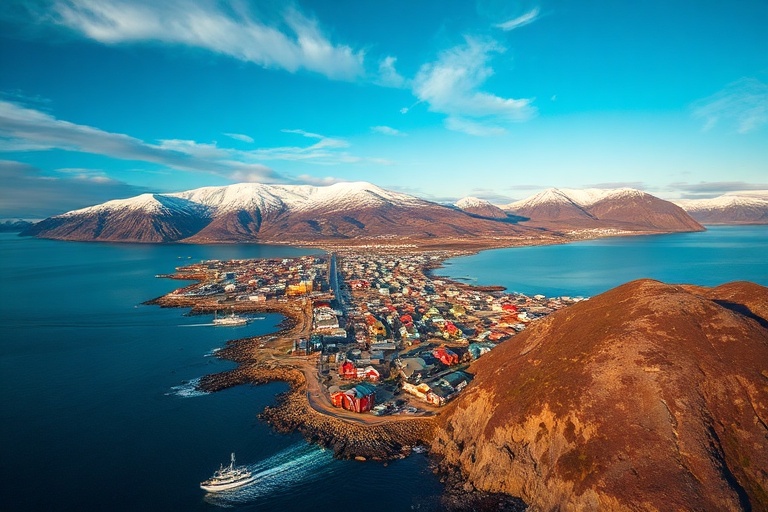
Ushuaia: Why the World’s Southernmost City Matters Beyond Adventure
Perched on the edge of the world where the Beagle Channel meets the southern tip of South America, Ushuaia defies expectations. Often labeled as the “end of the world,” this Argentine city has evolved from a remote penal colony into a thriving hub of tourism, science, and culture. Its unique geography and history create a compelling narrative that extends far beyond its reputation as a gateway to Antarctica.
The Geographic and Historical Foundations of Ushuaia
Ushuaia’s story begins with its dramatic setting. Located at 54°48′S latitude, it is the southernmost city in the world, a distinction that shapes its climate, culture, and economy. The city sits in a valley surrounded by the Martial Mountains, with the Beagle Channel providing a natural border. This landscape once made it an ideal location for Argentina’s first prison, established in the late 19th century. The harsh conditions and remote location served as a deterrent for convicts, many of whom were political prisoners.
By the mid-20th century, Ushuaia began to shed its penal reputation. The opening of Route National 3 in 1948 connected the city to the rest of Argentina, sparking gradual growth. The 1970s brought further development as Argentina sought to assert sovereignty over its southern territories. Today, Ushuaia stands as a symbol of resilience, transforming from a place of exile into a beacon of opportunity in one of the planet’s most extreme environments.
The Economic Engine: Tourism, Science, and Beyond
Ushuaia’s economy thrives on three pillars: tourism, scientific research, and maritime trade. The tourism industry is the most visible, with visitors flocking to the city for its unparalleled access to Patagonia, Tierra del Fuego National Park, and Antarctica. The city serves as the primary departure point for expeditions to the White Continent, with cruise ships and tour operators capitalizing on its strategic location. In 2022 alone, over 30,000 tourists visited Antarctica via Ushuaia, generating significant revenue for local businesses.
Science also plays a crucial role in Ushuaia’s identity. The city hosts research stations dedicated to studying Antarctica, climate change, and marine biology. The Argentine Antarctic Institute operates facilities here, conducting vital research on glaciers, wildlife, and atmospheric conditions. These efforts contribute to global scientific understanding while fostering international collaboration. Additionally, Ushuaia’s proximity to pristine ecosystems makes it an ideal location for environmental monitoring and conservation projects.
The maritime industry completes the economic triad. The port of Ushuaia is a critical stop for cargo ships traveling between South America and Antarctica. It also supports a thriving fishing industry, particularly for hake and king crab. However, the city faces challenges such as seasonal fluctuations in tourism and the high cost of living, which can strain local infrastructure and resources.
Key Factors Driving Ushuaia’s Growth
- Accessibility: Direct flights from Buenos Aires and other major cities make Ushuaia more reachable than ever.
- Adventure Tourism: Activities like hiking, skiing, and wildlife tours attract thrill-seekers year-round.
- Government Investment: Infrastructure improvements and subsidies for tourism-related businesses bolster the local economy.
- Cultural Appeal: Museums, festivals, and a vibrant arts scene create a unique identity beyond its adventure reputation.
- Climate Resilience: Despite its harsh winters, Ushuaia’s mild summers and stable tourism seasons help sustain businesses.
Cultural and Environmental Implications of Ushuaia’s Rise
Ushuaia’s transformation raises important questions about sustainability and cultural preservation. The city’s rapid growth has led to environmental concerns, including waste management and the impact of tourism on fragile ecosystems. Efforts to promote eco-friendly tourism, such as regulated visitor numbers and waste reduction programs, are gradually being implemented. However, balancing economic development with environmental protection remains an ongoing challenge.
Culturally, Ushuaia is a melting pot of indigenous Yaghan heritage, European immigration, and modern global influences. The Yaghan people, one of the original inhabitants of Tierra del Fuego, have a long history in the region. Today, their traditions are celebrated in local museums and cultural events, though their voices are often overshadowed by the city’s more recent narratives. Ushuaia’s diverse population, including immigrants from Chile, Eastern Europe, and beyond, contributes to a rich tapestry of traditions, cuisine, and art.
The city’s remote location also fosters a unique sense of community. Residents often describe a shared resilience, shaped by the challenges of living in an extreme environment. This camaraderie is evident in local festivals, such as the annual “Fiesta Nacional de la Nieve” (National Snow Festival), which celebrates winter sports and cultural heritage. Yet, the transient nature of tourism can create a divide between locals and visitors, highlighting the need for inclusive growth strategies.
Looking Ahead: Ushuaia’s Future in a Changing World
As climate change reshapes the polar regions, Ushuaia’s role in global exploration and research becomes even more critical. The melting of Antarctic ice and shifting migration patterns of wildlife will likely increase scientific interest in the area. Ushuaia could emerge as a key player in international climate studies, offering unparalleled access to data and ecosystems. However, this also presents risks, such as rising sea levels and unpredictable weather patterns that could disrupt tourism and infrastructure.
On a broader scale, Ushuaia’s story reflects the broader tensions between development and conservation in extreme environments. Cities like Ushuaia serve as laboratories for sustainable living, where communities must adapt to limited resources and fragile ecosystems. The lessons learned here could inform policies and practices in other remote regions, from Arctic settlements to desert communities. For Ushuaia, the challenge lies in leveraging its unique position without compromising the very qualities that make it special.
As travelers and researchers continue to flock to this southern outpost, Ushuaia’s future will depend on its ability to evolve thoughtfully. By embracing its history, investing in sustainable practices, and fostering a sense of shared purpose, the city can ensure that it remains more than just a destination—it can become a model for responsible exploration and living at the edge of the world.
For those interested in exploring Patagonia or planning a trip to Ushuaia, be sure to check out our Travel and Adventure categories for itineraries, tips, and expert insights.