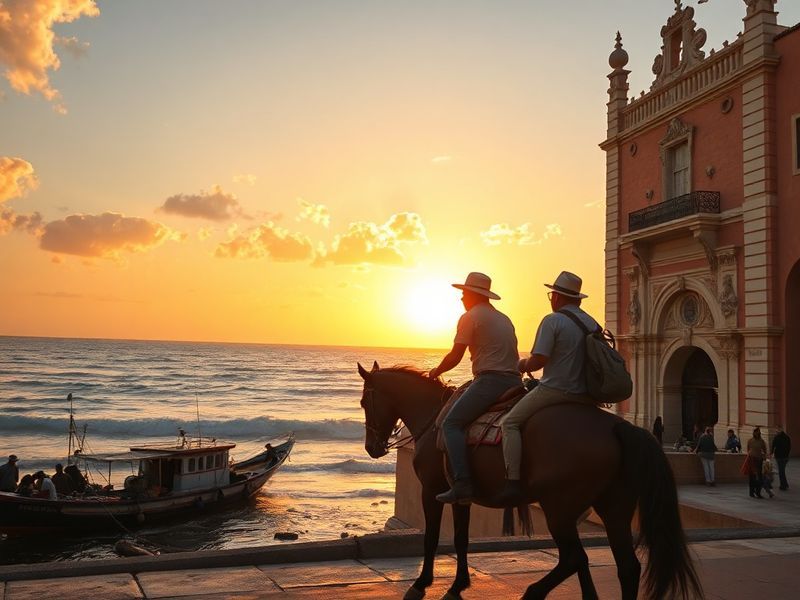
Mexico’s diversity manifests not just in its landscapes but in the contrasting lifestyles offered by its cities. On one hand, Mazatlán pulses with the raw energy of the Pacific coast, where surf meets salsa rhythms under endless sunshine. On the other, Querétaro exudes the measured elegance of colonial heritage, where cobblestone streets whisper 400 years of history between artisanal coffee shops and wine vineyards.
These cities represent more than just tourist destinations—they embody fundamentally different ways of experiencing Mexico. While Mazatlán thrives on immediacy and spontaneity, Querétaro invites contemplation and cultural immersion. Understanding their distinctions reveals much about Mexico’s regional identities and evolving urban priorities.
The Allure of Mazatlán: Sun, Sand, and Spontaneity
Mazatlán’s appeal lies in its unfiltered authenticity. Unlike manufactured resort towns, this working port city retains the gritty charm of its 19th-century gold-rush past, now layered with modern beach culture. The Golden Zone’s high-rise hotels stand in stark contrast to the historic Old Town, where 19th-century plazas host mariachi bands alongside street food vendors selling aguachile.
The city’s economy revolves around three pillars: fishing, tourism, and the port’s commercial activity. This creates a dynamic where luxury resorts sit beside humble seafood shacks, and where locals and visitors share the same beachfront malecón at sunset. The contrast isn’t just visual—it’s experiential. One moment you’re sipping craft beer at an open-air rooftop bar, the next you’re bargaining for fresh snapper at the Mercado Municipal.
What Makes Mazatlán Distinctive
- Maritime Culture: The port handles over 3 million tons of cargo annually, with fishing boats returning daily to supply both restaurants and local markets.
- Festival Energy: Carnival celebrations here rival those of Veracruz, featuring elaborate floats and weeks of pre-celebration street parties.
- Eco-Adventure: Beyond beaches, the city serves as a gateway to the Sierra Madre Occidental’s waterfalls and the stone-carved petroglyphs of El Quelite.
- Architectural Duality: Spanish colonial buildings share space with 1950s modernist structures, creating a visual timeline of the city’s evolution.
Querétaro’s Quiet Sophistication: History Meets Modernity
Querétaro represents Mexico’s successful fusion of preservation and progress. Designated a UNESCO World Heritage site in 1996, its colonial center remains remarkably intact despite being surrounded by one of Mexico’s most economically dynamic states. The city’s growth—now housing major automotive and aerospace industries—has occurred without sacrificing its historical character.
This balance is intentional. Unlike cities that bulldoze their past for development, Querétaro’s municipal code mandates that any new construction within the historic district must use traditional materials and techniques. The result is a city where 17th-century aqueducts cast shadows over glass-and-steel corporate headquarters, and where wine bars operate from buildings that once housed colonial-era printing presses.
Querétaro’s Unique Appeal
- Cultural Continuity: The city maintains centuries-old traditions like the annual Alfajor festival, celebrating the Arab-influenced pastry brought by Spanish settlers.
- Educational Hub: Home to eight universities, including the prestigious Universidad Autónoma de Querétaro, creating a young, internationally influenced population.
- Gastronomic Innovation: The fusion of traditional Querétaro cuisine (like enchiladas queretanas) with modern techniques in restaurants that source locally from the state’s 200+ vineyards.
- Sustainable Development: Pioneering projects like the city’s bike-sharing system and LEED-certified buildings in its corporate parks.
Comparative Analysis: Two Models of Mexican Urbanism
The differences between Mazatlán and Querétaro extend beyond surface-level tourism appeal. They represent two fundamentally different approaches to urban development in 21st-century Mexico—one prioritizing immediate economic returns through tourism infrastructure, the other investing in long-term cultural capital and sustainable growth.
Mazatlán’s model has proven commercially successful, with tourism contributing nearly 20% to the state’s GDP. However, this success comes with challenges: seasonal employment, environmental pressures on coastal ecosystems, and the risk of becoming a “tourist bubble” where locals are priced out of their own city. The recent construction of the Mazatlán Aquarium, while economically beneficial, sparked debates about over-commercialization versus authentic cultural preservation.
Querétaro’s approach offers a counterpoint. Its economic diversification—spanning automotive manufacturing, aerospace, and software development—has created one of Mexico’s most stable job markets. The city’s unemployment rate hovers around 3%, nearly half the national average. This stability allows for more deliberate urban planning, where historic preservation and modern development coexist rather than compete.
Yet this model isn’t without its critics. Some argue that Querétaro’s rapid modernization risks eroding its cultural identity. The proliferation of Starbucks locations within the historic district has become a flashpoint for debates about authenticity in the face of globalization. Meanwhile, Mazatlán’s challenges with infrastructure—particularly water scarcity and beach erosion—highlight the unsustainable aspects of its tourism-dependent economy.
Beyond Tourism: The Broader Implications
These cities’ contrasting models offer valuable lessons for Mexico’s urban future. As the country seeks to balance economic growth with cultural preservation and environmental sustainability, the Mazatlán- Querétaro dynamic provides a natural experiment in different development philosophies.
For policymakers, the key question becomes: Can Mexico develop world-class tourism infrastructure without sacrificing local identity and environmental health? Querétaro suggests that economic diversification may provide a more stable foundation. Meanwhile, Mazatlán demonstrates the immediate benefits—and potential pitfalls—of tourism-led growth.
Both cities also reflect Mexico’s broader demographic shifts. Querétaro’s young, educated workforce mirrors the country’s growing middle class, while Mazatlán’s seasonal tourism economy highlights the persistent challenges of regional inequality. The influx of remote workers and digital nomads to both cities during recent years has further complicated these dynamics, creating new pressures on housing markets and local cultures.
Ultimately, Mazatlán and Querétaro represent more than just tourist destinations—they’re microcosms of Mexico’s ongoing negotiation between tradition and modernity, between immediate economic needs and long-term sustainability, between local identity and global integration.
Key Takeaways
- Economic Models: Mazatlán relies heavily on tourism (20% of state GDP), while Querétaro’s economy is diversified across manufacturing, tech, and services.
- Urban Planning: Querétaro enforces strict historic preservation codes; Mazatlán’s development is more organic and market-driven.
- Demographic Trends: Querétaro attracts young professionals and families; Mazatlán draws seasonal visitors and retirees.
- Cultural Preservation: Querétaro actively maintains traditions; Mazatlán’s culture is more commercially adapted to tourism.
- Sustainability Challenges: Mazatlán faces environmental pressures; Querétaro grapples with balancing growth and heritage.
As Mexico continues to evolve, the stories of Mazatlán and Querétaro will likely serve as reference points for cities nationwide. Their contrasting experiences offer valuable insights into the possibilities—and limitations—of different development paths in an increasingly interconnected world.
Whether one prefers the salty tang of Mazatlán’s sea breeze or the quiet elegance of Querétaro’s plazas, both cities remind us that Mexico’s true richness lies in its remarkable diversity—not just of landscapes, but of ways of life.