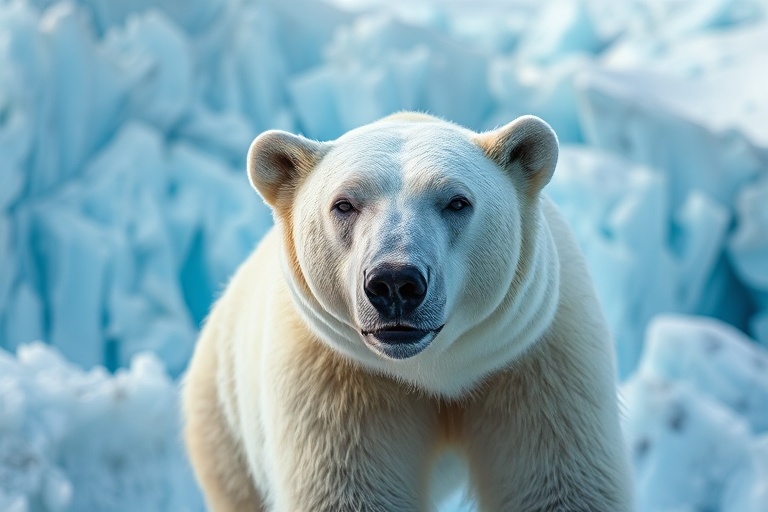
The glacier bear, also known as the blue bear, represents one of North America’s most enigmatic creatures. This rare color variant of the black bear inhabits the rugged, icy landscapes of Alaska and northwestern Canada. Unlike its more common black or brown counterparts, the glacier bear’s fur carries a distinctive bluish-gray hue, a trait that has fascinated scientists and wildlife enthusiasts for generations.
The creature’s elusive nature only adds to its mystique. Sightings are sporadic, often occurring in remote areas where human presence is minimal. This combination of rarity and beauty makes the glacier bear a subject of both scientific curiosity and cultural significance in the regions where it roams.
The Science Behind the Blue
The glacier bear’s unusual coloring stems from a genetic mutation known as “dilution.” This mutation affects the production of melanin in the bear’s fur, resulting in the pale, bluish-gray appearance that sets it apart from other black bears. Unlike albinism, which causes a complete lack of pigment, dilution creates a subtle shift in tone that can range from silver to slate blue.
Genetic studies have shown that this trait is recessive, meaning both parent bears must carry the gene for it to manifest in their offspring. As a result, glacier bears are far less common than their darker relatives. Researchers estimate that only about 1 in 10,000 black bears exhibits this genetic quirk.
The mutation may offer some evolutionary advantages in the bear’s icy habitat. The lighter fur could provide better camouflage against snow and ice, while also helping to regulate body temperature in the cold Alaskan climate. However, the exact benefits of the dilution gene remain a topic of ongoing research.
Habitat and Behavior: Survival in the Last Frontier
Glacier bears are primarily found in the coastal mountain ranges of southeastern Alaska, as well as parts of British Columbia and the Yukon Territory. Their range overlaps with that of the more common black bear, but they tend to occupy higher elevations and more rugged terrain. The bear’s habitat is characterized by dense forests, alpine meadows, and glacier-carved valleys, where food sources like berries, salmon, and small mammals are abundant.
Despite their name, glacier bears are not typically associated with glaciers themselves. Instead, they prefer the forested areas adjacent to glacial fields, where they can find shelter and food. Their behavior is largely consistent with that of other black bears, though their elusive nature makes direct observation challenging. They are solitary creatures, with the exception of mothers raising cubs, and are most active during dawn and dusk.
One of the most fascinating aspects of glacier bear behavior is their diet. Unlike other bears that rely heavily on salmon during spawning season, glacier bears have been observed feeding on a wider variety of foods, including berries, roots, and even carrion. This dietary flexibility may contribute to their survival in such a harsh environment.
A Day in the Life of a Glacier Bear
To better understand the glacier bear’s lifestyle, researchers have used GPS collars and camera traps to track their movements. These studies reveal that glacier bears are highly mobile, often traveling long distances in search of food. Their home ranges can span hundreds of square miles, and they are known to traverse steep, rocky terrain with ease.
During the summer months, glacier bears focus on building fat reserves in preparation for winter. They may spend up to 20 hours a day foraging, consuming as much as 20,000 calories daily. As temperatures drop, they enter a state of torpor, a lighter form of hibernation that allows them to conserve energy until spring.
Cultural and Ecological Significance
The glacier bear holds a special place in the folklore and traditions of the indigenous peoples of Alaska and northwestern Canada. In Tlingit and Haida culture, the bear is often seen as a powerful spirit animal, symbolizing strength, wisdom, and connection to the natural world. The glacier bear’s rare and ethereal appearance has led to its association with magic and mystery in these stories.
Ecologically, the glacier bear serves as an indicator species for the health of its habitat. As a top predator in its ecosystem, its presence reflects the stability of the food chain and the integrity of the landscape. However, climate change poses a significant threat to the glacier bear’s survival. Warming temperatures and melting glaciers are altering the bear’s habitat, potentially reducing food availability and increasing competition with other species.
Conservation efforts are underway to protect the glacier bear and its habitat. Organizations like Dave’s Locker Science are working to monitor populations, educate the public, and advocate for policies that address climate change and habitat protection. These efforts are critical to ensuring that future generations can witness the glacier bear in the wild.
How to Safely Observe Glacier Bears
For those hoping to catch a glimpse of a glacier bear in its natural habitat, patience and caution are essential. These bears are wild animals and should be treated with respect and distance. Here are some key guidelines for safe and responsible observation:
- Hire a local guide: Knowledgeable guides can help you navigate the bear’s habitat while minimizing your impact on the environment.
- Maintain a safe distance: Use binoculars or a telephoto lens to observe the bear without approaching too closely.
- Travel in groups: Larger groups are less likely to startle bears and can provide support in case of an encounter.
- Avoid food attractants: Store food and scented items securely to prevent bears from associating humans with food.
- Respect the bear’s space: If a bear shows signs of agitation, such as huffing, popping its jaws, or avoiding eye contact, slowly back away.
Glacier bear sightings are unpredictable, but the thrill of encountering one of these rare creatures is unmatched. Whether you’re a wildlife photographer, a nature enthusiast, or simply someone who appreciates the beauty of the natural world, the glacier bear offers a glimpse into the wild heart of Alaska.
Conclusion: A Symbol of Wilderness in Peril
The glacier bear stands as a symbol of the untamed beauty and fragility of Alaska’s wilderness. Its rare and elusive nature captivates the imagination, while its genetic uniqueness offers a window into the complexities of evolution. Yet, the glacier bear’s future is far from guaranteed. Climate change, habitat loss, and human encroachment threaten its survival, making conservation efforts more critical than ever.
For those who have had the privilege of seeing a glacier bear in the wild, the experience is often described as magical. It’s a reminder of the wonders that still exist in our world, hidden in plain sight. As we continue to explore and study these remarkable creatures, it is our responsibility to ensure that they remain a part of the landscape for generations to come.
Whether you’re a scientist, an adventurer, or simply someone who appreciates the natural world, the glacier bear invites us to reflect on our relationship with the environment. It challenges us to protect the wild places that still harbor such mysteries and to preserve the beauty of the unknown.