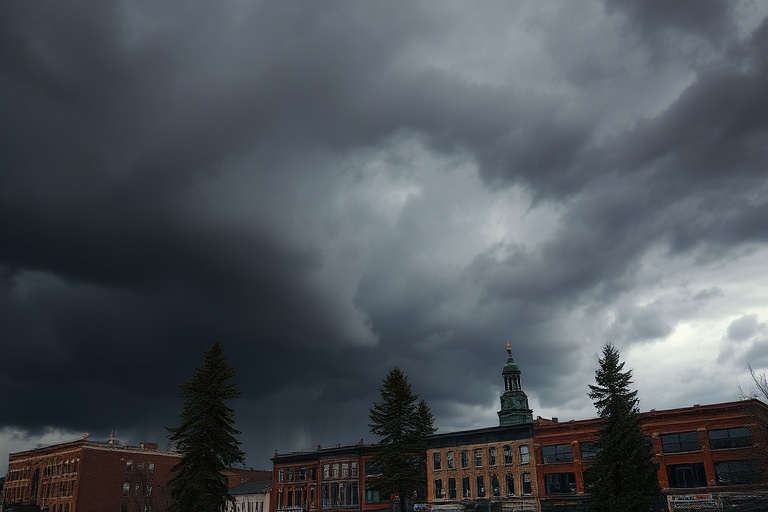
Spokane Weather Guide: What to Expect in the Lilac City
Spokane, Washington, often called the Lilac City, experiences weather patterns that can surprise even lifelong residents. The city’s inland location, elevation near 2,000 feet, and proximity to the Cascades create a climate that is distinct from the coastal Pacific Northwest. Winters are cold and snowy, summers are warm and dry, and spring and fall serve as transitional seasons filled with variability. Understanding Spokane’s weather requires more than just checking a forecast—it demands an appreciation for its geographic quirks and seasonal rhythms.
The Four Distinct Seasons of Spokane
Spokane’s four seasons are not just calendar markers; they are lived experiences shaped by temperature swings, precipitation shifts, and occasional extremes. Winter arrives early, often before Thanksgiving, and lingers until late March. Snowfall averages around 44 inches annually, but totals can vary dramatically from year to year. The city’s urban core tends to see less accumulation than the surrounding hills, where microclimates create pockets of heavier snow.
Spring in Spokane is a study in contrasts. March can still bring snow squalls, while April often features rapid warming and the emergence of lilacs—a nod to the city’s nickname. Rainfall increases during this season, but the ground remains firm, allowing for early outdoor activities. By May, temperatures climb into the 60s and 70s, signaling the transition to summer.
Summer is short but intense. July and August are typically the warmest months, with average highs in the upper 80s. Heatwaves can push temperatures into the 90s, and humidity levels rise slightly compared to coastal areas. Despite the warmth, Spokane’s dry air makes highs feel more tolerable than in other regions. Evenings often bring relief, with temperatures dropping into the 50s, a pattern that encourages nighttime gatherings and outdoor dining.
Fall arrives swiftly, with September offering a last taste of summer warmth before October ushers in crisp air and vibrant foliage. November marks the return of cold winds and the first frost, setting the stage for winter’s grip. Each season in Spokane tells a story of adaptation, from wardrobe choices to recreational activities, all influenced by the city’s unique climate.
Microclimates and Local Variations
Spokane’s weather is not uniform across the city. The urban core, particularly downtown and the South Hill, benefits from a slightly milder climate due to the urban heat island effect. Buildings, pavement, and human activity can elevate temperatures by a few degrees compared to outlying areas. Meanwhile, the North Side and the foothills of Mount Spokane experience cooler temperatures and heavier snowfall.
The Spokane Valley, to the east, has its own microclimate. It tends to be warmer and drier, with less snow accumulation and more sunshine. This area is often referred to as the “banana belt” of Spokane, a term borrowed from California’s agricultural regions. Residents here enjoy longer growing seasons and less severe winter weather, making it a popular spot for orchards and vineyards.
Another key factor is the Spokane River, which flows through the city. Areas near the river, such as the Kendall Yards neighborhood, can experience slightly cooler temperatures in summer due to the river’s influence. In winter, however, the river’s presence can contribute to fog formation, particularly in the mornings. These local variations highlight the importance of checking forecasts tailored to specific neighborhoods rather than relying on city-wide averages.
- Downtown and South Hill: Slightly warmer due to urban heat island effect; less snowfall.
- North Side and Mount Spokane foothills: Cooler temperatures; heavier snowfall; more prolonged winter conditions.
- Spokane Valley: Warmer and drier; longer growing seasons; less severe winters.
- River-adjacent areas: Cooler summers; potential for winter fog; unique microclimates.
Extreme Weather Events and Historical Patterns
While Spokane’s weather is generally predictable, the city has experienced its share of extreme events. Ice storms, though rare, can paralyze the region. In December 2020, a significant ice storm knocked out power for thousands and made roads treacherous for days. Such events are a reminder of the city’s vulnerability to sudden shifts in weather patterns, particularly during the transition between seasons.
Heatwaves, while uncommon, have also left their mark. In June 2021, Spokane reached 100 degrees Fahrenheit for the first time in recorded history. The prolonged heatwave strained local infrastructure, from power grids to water systems, and highlighted the need for community preparedness. These extremes are becoming more frequent, a trend that aligns with broader climate change patterns affecting the Pacific Northwest.
Windstorms are another occasional hazard. The most notorious in recent memory occurred in November 1990, when winds exceeding 70 mph tore through the region, downing trees and power lines. The storm caused widespread damage and left thousands without electricity for days. While such events are infrequent, they underscore the importance of resilience planning for both residents and city officials.
Historically, Spokane’s weather has been shaped by larger atmospheric patterns. The El Niño-Southern Oscillation (ENSO) cycle plays a significant role, with El Niño years often bringing milder, drier winters and La Niña years resulting in colder, snowier conditions. Monitoring these patterns can provide valuable insights into what to expect in the coming months, though local variations always add an element of unpredictability.
How Locals Adapt and Thrive
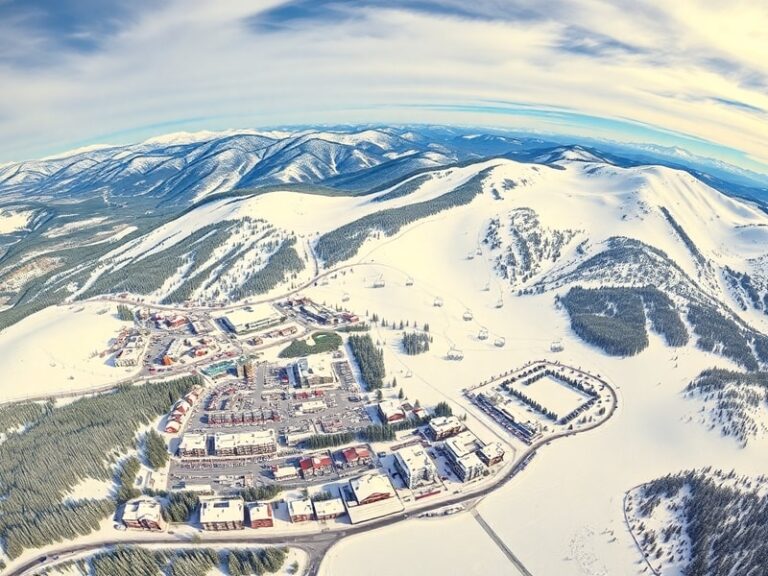
Spokane’s residents have developed a culture of adaptability when it comes to weather. Winter activities are a cornerstone of local life. Skiing, snowboarding, and snowmobiling draw enthusiasts to nearby resorts like Mount Spokane and Silver Mountain. Cross-country skiing and snowshoeing are popular in areas like the Centennial Trail and Beacon Hill Park, offering opportunities to enjoy the season without venturing far from the city.
For those who prefer to stay indoors, Spokane’s winter scene includes cozy cafes, museums, and breweries. The city’s craft beer scene thrives year-round, with many establishments offering inviting spaces to escape the cold. Local events, such as the Spokane Winter Festival, celebrate the season with ice sculptures, live music, and family-friendly activities.
As the weather warms, Spokane’s outdoor culture blossoms. The Spokane River Centennial Trail, a 37-mile paved pathway, becomes a hub for runners, cyclists, and walkers. Riverside State Park offers hiking, swimming, and picnicking opportunities, while the city’s numerous parks host farmers markets, concerts, and outdoor movies. The Lilac Bloomsday Run, held annually in May, is a testament to Spokane’s love for outdoor activities and community engagement.
Residents also rely on local resources to navigate the weather. The National Weather Service office in Spokane provides detailed forecasts and warnings, while local news outlets offer real-time updates during severe weather events. Community groups and social media platforms keep residents informed about road conditions, school closures, and other pertinent information. This collective approach to weather preparedness fosters a sense of resilience and connection among Spokane’s diverse communities.
For visitors, Spokane’s weather adds a layer of authenticity to the experience. Whether it’s the crisp air of a fall morning, the quiet beauty of a snow-covered landscape, or the warmth of a summer evening, the city’s climate shapes its identity. Embracing the weather—rather than fighting it—is a hallmark of life in the Lilac City.
Final Thoughts
Spokane’s weather is a dynamic force that shapes the rhythm of life in the city. From the snowy winters to the sun-drenched summers, each season offers its own set of challenges and rewards. Understanding these patterns allows residents and visitors alike to fully appreciate what the Lilac City has to offer. Whether you’re carving fresh tracks at Mount Spokane, strolling through a blooming lilac garden, or simply enjoying a cup of coffee on a crisp morning, Spokane’s weather is an integral part of the experience.
For those looking to explore Spokane further, consider checking out our travel guides for seasonal recommendations and hidden gems. If you’re interested in outdoor adventures, our sports and recreation section offers insights into the best activities year-round. Spokane’s weather may be unpredictable at times, but its ability to inspire and unite is undeniable.