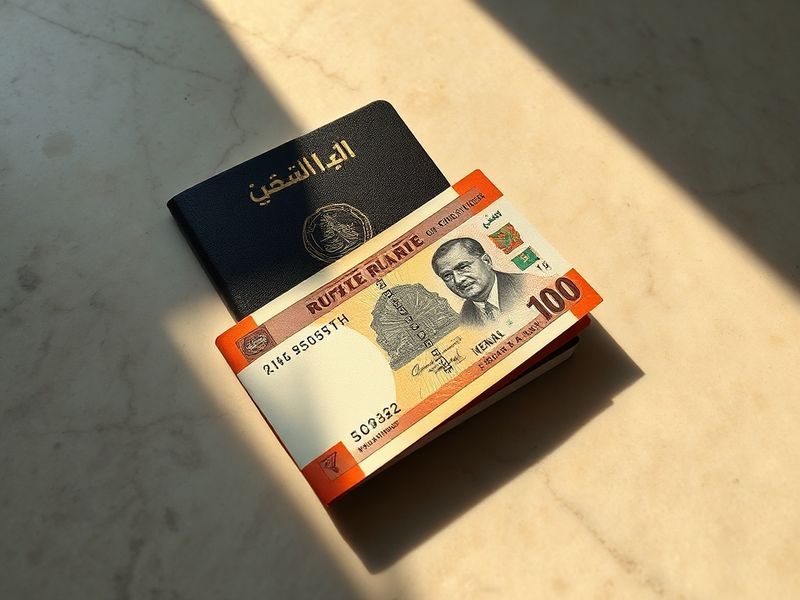
The United Arab Emirates and Nepal represent two starkly different faces of Asia’s economic landscape. One is a glittering hub of global commerce and futuristic ambition, while the other is a Himalayan nation still building its foundations. Their contrasts extend beyond GDP figures into culture, geography, and national identity. Comparing these nations offers more than just economic data—it reveals how geography, leadership, and history shape destinies.
The UAE, with its towering skyscrapers and tax-free opulence, has become a magnet for expatriates and investors. Nepal, meanwhile, struggles with infrastructure gaps but boasts unparalleled natural beauty and cultural heritage. Despite their differences, both countries are navigating the challenges of globalization, climate change, and regional politics. Their journeys reflect broader trends in Asia’s evolving role on the world stage.
This analysis explores how these two nations—one a desert superpower and the other a landlocked Himalayan kingdom—are positioned in the 21st century. From economic models to geopolitical influence, their stories offer lessons in resilience, ambition, and adaptation.
The Economic Contrasts: Oil Wealth and Remittance Realities
The UAE’s economy is a marvel of modern capitalism, driven by oil revenues, tourism, and trade. With a GDP per capita exceeding $40,000, it ranks among the wealthiest nations globally. Dubai and Abu Dhabi have transformed from fishing villages into financial capitals, hosting multinational corporations and luxury real estate. The country’s strategic location along global shipping routes has made it a logistics powerhouse.
Nepal, on the other hand, relies heavily on remittances, which account for nearly 25% of its GDP. Over 2 million Nepalis work abroad, primarily in India, Malaysia, and the Gulf states, sending billions home annually. Agriculture still employs nearly 70% of the workforce, yet productivity remains low due to outdated techniques and climate vulnerabilities. The nation’s GDP per capita hovers around $1,300, placing it among the poorest in Asia.
These economic models reflect deeper truths. The UAE’s success stems from visionary leadership, foreign investment, and a willingness to embrace change. Nepal’s challenges highlight the difficulties of balancing tradition with development in a resource-constrained environment. Both nations, however, are vulnerable to external shocks—oil price fluctuations for the UAE and global migration trends for Nepal.
Key Economic Indicators Comparison
- GDP (Nominal): UAE – $507 billion | Nepal – $36 billion
- GDP per capita: UAE – $43,000 | Nepal – $1,300
- Major industries: UAE – Oil, tourism, finance | Nepal – Agriculture, remittances, hydropower
- Unemployment rate: UAE – 2.5% | Nepal – 11.4%
- Foreign direct investment (FDI): UAE – $20 billion annually | Nepal – $1.5 billion annually
Cultural Identity: Modernity and Tradition in Tension
Cultural identity in the UAE is a blend of Bedouin heritage and cosmopolitan ambition. While Islam remains central to national life, the country has embraced Western influences, particularly in Dubai. Expatriates make up nearly 90% of the population, creating a multicultural society where Arabic, English, Hindi, and Urdu coexist. This diversity is both a strength and a challenge, as debates over national identity persist.
Nepal’s culture is deeply rooted in Hinduism and Buddhism, reflected in its ancient temples, festivals, and social structures. Kathmandu’s Durbar Square and Lumbini, the birthplace of Buddha, are UNESCO World Heritage sites that draw pilgrims and tourists alike. However, rapid urbanization and globalization are eroding traditional ways of life, especially among younger generations. The tension between preserving heritage and embracing modernity is palpable.
Both nations face similar dilemmas: how to honor the past while embracing the future. The UAE’s approach—selective modernization—has yielded prosperity but also social fragmentation. Nepal’s struggle is more existential, as it seeks to define itself amid political instability and economic hardship. Their cultural narratives reveal how history and geography shape national psyche.
Geopolitical Influence: Soft Power and Regional Role
The UAE has emerged as a key player in Middle Eastern geopolitics, leveraging its wealth to build alliances and project influence. It hosts Western military bases, mediates regional conflicts, and invests heavily in African and Asian economies. Through entities like the Abu Dhabi Investment Authority, it wields financial clout globally. The country’s neutrality in many disputes allows it to act as a bridge between East and West.
Nepal, by contrast, occupies a less prominent position on the world stage. Its strategic location between India and China gives it geopolitical significance, but internal divisions and weak institutions limit its influence. Kathmandu often finds itself caught between its giant neighbors, balancing aid and investment from both. The country’s non-aligned stance reflects its desire to avoid domination while seeking development partners.
Both nations are redefining their roles in a multipolar world. The UAE’s proactive diplomacy contrasts with Nepal’s more reactive approach. Yet both are learning that influence isn’t just about military or economic strength—it’s about shaping narratives and building soft power. Their strategies offer lessons for other small and mid-sized nations seeking to carve out their place in a crowded global arena.
Future Trajectories: Challenges and Opportunities
The UAE’s future hinges on its ability to diversify its economy beyond oil. Initiatives like Vision 2030 and investments in renewable energy signal a shift toward sustainability. However, climate change poses a long-term threat, particularly as rising temperatures strain water resources and urban infrastructure. The country’s reliance on expatriate labor also creates demographic imbalances that could destabilize its social fabric.
Nepal’s path forward is equally fraught with challenges. Political instability, corruption, and a lack of infrastructure hinder progress. Yet the country possesses untapped potential in hydropower, tourism, and agriculture. Hydropower alone could transform Nepal into an energy exporter, reducing its reliance on imports. Meanwhile, its youthful population offers a demographic dividend if properly educated and employed.
Both nations must also confront climate change. The UAE faces desertification and rising sea levels, while Nepal grapples with glacial melt and erratic monsoons. Their responses will determine not just economic success but environmental sustainability. Collaboration on shared challenges—such as water security and disaster resilience—could yield mutual benefits.
Pathways for Growth
- Economic diversification: UAE must reduce oil dependence; Nepal must industrialize.
- Infrastructure development: Both need better roads, energy, and digital networks.
- Education reform: Skilled labor is key for UAE’s future; Nepal must retain its youth.
- Climate adaptation: Shared strategies for water and disaster management are essential.
- Regional cooperation: Leveraging geography through trade and energy partnerships.
Ultimately, the UAE and Nepal represent two sides of Asia’s development story. One has harnessed its resources to build a futuristic society, while the other is still climbing the first rungs of the ladder. Their journeys are not just economic but deeply human—stories of ambition, resilience, and the enduring struggle to balance progress with identity. As the 21st century unfolds, their ability to adapt will determine whether they remain outliers or become models for others to follow.
For readers interested in deeper analysis of economic strategies, visit our Analysis section. To explore how other nations are navigating globalization, check out our Trending page.