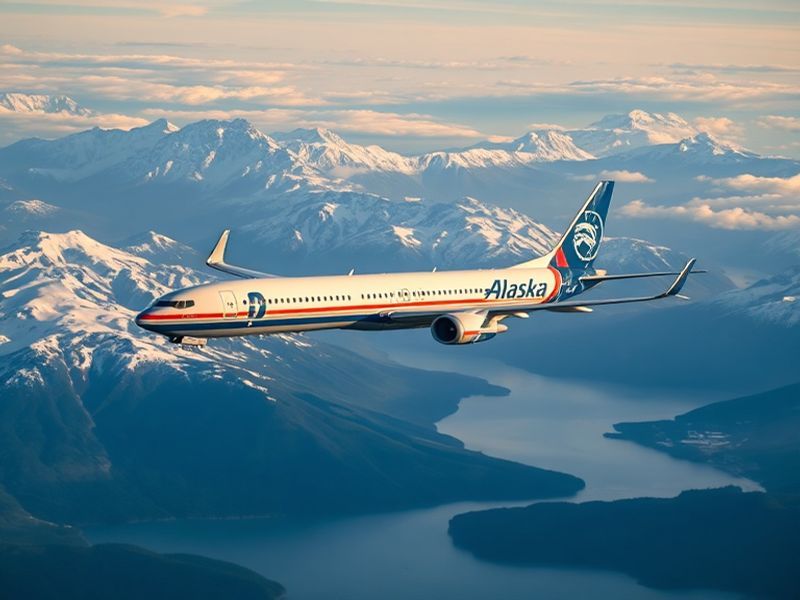
Alaska Airlines: A Legacy of Innovation and Customer Service
“`html
Alaska Airlines: A Legacy of Innovation and Customer-Centric Service
Since its founding in 1932 as McGee Airways, Alaska Airlines has grown from a small regional carrier into one of the most respected airlines in the United States. Known for its commitment to customer service, operational reliability, and innovative solutions, the airline has carved out a unique identity in an industry often defined by its challenges. With a fleet that includes Boeing 737s and a strong focus on West Coast routes, Alaska Airlines has become a critical link for travelers across North America.
The airline’s headquarters are in Seattle, Washington, a city that shares its spirit of innovation and forward-thinking. This strategic location has allowed Alaska Airlines to build strong partnerships with major tech companies and other businesses in the Pacific Northwest. Over the years, the airline has expanded its reach through acquisitions, most notably the 2016 merger with Virgin America, which brought modern amenities and a younger customer base to its operations.
Operational Excellence and Fleet Modernization
Alaska Airlines has long been recognized for its operational reliability, consistently ranking among the top airlines in the U.S. for on-time performance. According to the U.S. Department of Transportation’s Air Travel Consumer Report, Alaska Airlines frequently outperforms its competitors in this category. This reliability is a testament to the airline’s investment in its fleet and employee training programs.
One of the most significant milestones in the airline’s recent history was its decision to phase out its older aircraft in favor of more fuel-efficient models. The airline became the first major U.S. carrier to commit to net-zero carbon emissions by 2040, a goal it is pursuing through a combination of sustainable aviation fuels (SAF), fleet modernization, and operational efficiencies. By 2025, Alaska Airlines plans to take delivery of 68 new Boeing 737 MAX aircraft, which promise to reduce fuel consumption and emissions by up to 20%.
- Boeing 737 MAX: The backbone of Alaska Airlines’ fleet, featuring advanced aerodynamics and fuel-efficient engines.
- Sustainable Aviation Fuels (SAF): The airline has committed to using SAF for 10% of its total fuel consumption by 2030.
- Operational Efficiency: Alaska Airlines has invested in data analytics to optimize flight routes and reduce delays.
This commitment to sustainability is not just a marketing strategy; it reflects a broader industry trend toward reducing the environmental impact of air travel. Alaska Airlines’ proactive approach positions it as a leader in the transition to greener aviation, setting an example for other carriers to follow.
The Virgin America Merger: A Strategic Evolution
The merger with Virgin America in 2016 marked a turning point for Alaska Airlines. At the time, Virgin America was known for its stylish cabins, premium in-flight entertainment, and a younger, tech-savvy customer base. The acquisition allowed Alaska Airlines to tap into new markets and attract a broader demographic of travelers. The integration process was not without challenges, but the airline managed to blend the best aspects of both brands while maintaining its core values.
One of the most notable changes post-merger was the introduction of Virgin America’s signature red lighting and modern cabin designs to Alaska Airlines’ fleet. The airline also adopted Virgin America’s customer-centric approach, which included a focus on personalized service and innovative in-flight amenities. Today, Alaska Airlines operates a hybrid fleet that combines the efficiency of its traditional Boeing 737s with the modern comforts of its Airbus A320 family aircraft, which were part of the Virgin America acquisition.
The merger also expanded Alaska Airlines’ route network, adding new destinations in cities like Austin, Dallas, and Philadelphia. This strategic move allowed the airline to compete more effectively with larger carriers like Delta and American Airlines, particularly on routes between the West Coast and major East Coast hubs.
Customer Service and Loyalty Programs
Alaska Airlines has built a reputation for exceptional customer service, a rarity in an industry often criticized for its lack of empathy. The airline’s Mileage Plan loyalty program is consistently ranked among the best in the industry, offering generous rewards and flexibility for travelers. Unlike many other airlines, Alaska Airlines does not charge for seat selection, checked bags, or changes on most fares, a policy that has earned it high marks from passengers.
The Mileage Plan program is particularly appealing due to its straightforward earning and redemption structure. Members can earn miles not only through flights but also through partnerships with hotels, car rentals, and credit cards. The airline’s partnership with American Airlines, which allows Mileage Plan members to earn and redeem miles on both carriers, further enhances the program’s value. This collaboration has made Alaska Airlines a more attractive option for international travelers who frequently fly with American Airlines.
In addition to its loyalty program, Alaska Airlines has invested in customer service training and technology to improve the passenger experience. The airline’s mobile app is highly rated for its ease of use, allowing customers to check in, track bags, and access real-time flight information. The airline has also introduced features like chat support and personalized travel alerts to address customer concerns more efficiently.
Challenges and Future Outlook
Despite its many successes, Alaska Airlines has faced its share of challenges. The COVID-19 pandemic devastated the airline industry, forcing Alaska Airlines to ground much of its fleet and furlough thousands of employees. The recovery process has been slow, and the airline has had to adapt to changing travel patterns and consumer behaviors. However, Alaska Airlines has demonstrated resilience, implementing cost-cutting measures while maintaining its commitment to customer service and operational reliability.
Another challenge has been competition from larger carriers. Airlines like Delta and United have expanded their presence in Alaska Airlines’ key markets, offering competitive fares and routes. To counter this, Alaska Airlines has focused on its strengths: superior customer service, a modern fleet, and a strong loyalty program. The airline has also expanded its codeshare agreements with international partners, making it easier for passengers to connect to global destinations.
Looking ahead, Alaska Airlines is poised for continued growth. The delivery of new Boeing 737 MAX aircraft will allow the airline to expand its route network and improve efficiency. Additionally, the airline’s commitment to sustainability aligns with the growing demand for eco-friendly travel options. As the industry recovers from the pandemic, Alaska Airlines is well-positioned to capitalize on the resurgence of travel demand, particularly in its core West Coast markets.
For travelers who value reliability, customer service, and innovation, Alaska Airlines remains a top choice. Whether you’re flying for business or leisure, the airline’s commitment to excellence ensures a consistently positive experience. As it continues to evolve, Alaska Airlines is not just keeping pace with the industry—it’s setting the standard for what an airline should be.
For more insights into the airline industry and travel trends, visit Dave’s Locker Travel.