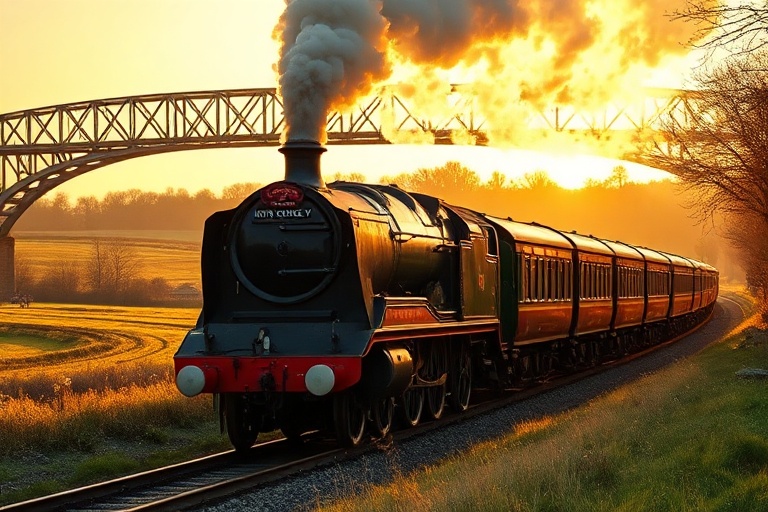
The Great Western Railway (GWR) stands as one of the most iconic names in British railway history. Founded in 1833 by engineer Isambard Kingdom Brunel, the GWR was not just a transportation network but a symbol of industrial progress. Its legacy stretches from the steam-powered locomotives of the 19th century to the high-speed trains of today. This article explores the railway’s origins, its impact on British society, and its enduring influence on modern rail travel.
The Birth of a Visionary Railway
Isambard Kingdom Brunel’s vision for the GWR was ambitious. He aimed to create a railway that would connect London to the West Country, reducing travel time between major cities. The railway’s construction began in the 1830s, with Brunel overseeing every detail, from the track gauge to the design of bridges and tunnels. The broad gauge of 7 feet (2,134 mm) was one of Brunel’s most controversial decisions, as it differed from the standard gauge used by other railways. Despite initial resistance, the broad gauge allowed for greater stability and speed, a testament to Brunel’s engineering prowess.
The GWR’s first section, from London Paddington to Maidenhead, opened in 1838. The railway quickly became a marvel of engineering, featuring iconic structures like the Maidenhead Railway Bridge and the Box Tunnel. Brunel’s designs emphasized both functionality and aesthetics, ensuring the railway would be as visually striking as it was practical. By 1841, the GWR had reached Bristol, fulfilling its original purpose of linking the capital to the West Country.
Expansion and Impact on British Society
The GWR’s expansion in the mid-19th century was nothing short of revolutionary. It absorbed smaller railways, creating a vast network that stretched from London to the southwest and Wales. This expansion had a profound impact on British society, facilitating the movement of people and goods, boosting trade, and stimulating economic growth. Towns along the GWR’s route flourished, as the railway brought new opportunities for industry and tourism.
The railway also played a crucial role in the development of tourism. With the rise of the British holiday tradition in the Victorian era, the GWR transported travelers to seaside resorts like Weymouth and Torquay. The railway’s advertising campaigns, featuring slogans like “The Holiday Route,” cemented its reputation as the gateway to leisure and relaxation. Even today, the GWR’s legacy is visible in the popularity of these destinations, which remain key tourist hotspots.
The GWR’s influence extended beyond transportation. It was a pioneer in employee welfare, introducing pension schemes and housing for workers long before such benefits became standard. The railway’s commitment to innovation also extended to its rolling stock. The GWR was the first to introduce dining cars in Britain, a revolutionary concept that transformed long-distance travel. These innovations set new standards for comfort and convenience, shaping the future of rail travel.
Key Innovations of the Great Western Railway
- Broad Gauge: Brunel’s broad gauge of 7 feet allowed for greater stability and speed, though it was eventually standardized to 4 feet 8.5 inches in the 1890s.
- Dining Cars: The GWR introduced the first dining cars in Britain, revolutionizing long-distance travel and setting a new standard for passenger comfort.
- Employee Welfare: The railway was a pioneer in providing pensions and housing for its workers, long before such benefits became widespread.
- Tourism Promotion: The GWR’s marketing campaigns helped popularize seaside resorts, making them accessible to the growing middle class.
The Modern GWR: Adaptation and Challenges
In the 20th century, the GWR faced significant challenges, including competition from road and air travel, as well as the nationalization of Britain’s railways in 1948. However, the spirit of innovation that defined its early years persisted. The GWR was privatized in the 1990s, becoming part of the First Great Western franchise, and later rebranded as Great Western Railway in 2015. Today, the GWR operates a modern fleet of trains, including high-speed services and commuter routes, connecting major cities like London, Bristol, Cardiff, and Exeter.
Despite its modern advancements, the GWR has not forgotten its heritage. The railway continues to celebrate its history through heritage railways, such as the Didcot Railway Centre, which preserves and showcases vintage locomotives and rolling stock. These efforts ensure that Brunel’s legacy is not lost to time, while also providing a tangible connection to the past for future generations.
The GWR’s role in modern Britain extends beyond transportation. It is a vital economic driver, supporting thousands of jobs and contributing billions to the regional economy. The railway’s electrification projects, such as the Great Western Main Line upgrade, have improved journey times and reliability, making it a preferred choice for commuters and travelers alike. However, the GWR also faces challenges, including funding constraints and the need to balance modernization with sustainability.
Broader Implications and the Future of the GWR
The GWR’s story is more than just a tale of engineering and innovation; it is a reflection of broader societal changes. The railway’s history mirrors the evolution of British industry, from the Industrial Revolution to the digital age. It highlights the importance of infrastructure in shaping economic growth and social mobility. The GWR’s ability to adapt to changing times—whether through technological advancements or shifts in consumer behavior—offers valuable lessons for modern transportation systems.
Looking ahead, the GWR faces both opportunities and challenges. The push for sustainability in transportation presents an opportunity to lead the way in green rail travel. Electrification, hydrogen-powered trains, and reduced emissions are key priorities for the railway’s future. Additionally, the GWR’s role in connecting rural and urban areas remains critical, particularly as remote work and regional development gain traction.
However, the railway must also contend with funding pressures and the need for continued investment. Public-private partnerships and government support will be essential in ensuring the GWR’s long-term viability. The success of these efforts could serve as a model for other regional railways, demonstrating how heritage and innovation can coexist to create a sustainable future.
The GWR’s legacy is a testament to the power of vision and perseverance. From Brunel’s revolutionary designs to its modern-day operations, the railway has continually evolved to meet the needs of its passengers. As it navigates the challenges of the 21st century, the GWR remains a vital artery in Britain’s transportation network, connecting people and places while honoring its rich history.
For those interested in exploring the GWR’s heritage further, Dave’s Locker Travel offers insights into Britain’s most scenic railway journeys, while Dave’s Locker History provides a deeper dive into the stories behind iconic landmarks like the Box Tunnel and Maidenhead Railway Bridge.
Conclusion
The Great Western Railway is more than a transportation network; it is a living testament to British innovation and resilience. Its history reflects the country’s industrial past, while its modern operations shape its future. As the GWR continues to adapt and innovate, it remains a symbol of progress, connecting generations and communities along its tracks. Whether you’re a history enthusiast, a commuter, or a traveler, the GWR’s story offers a compelling glimpse into the power of vision and the enduring impact of infrastructure.