Understanding Perennials: A Global Perspective
The term “perennial” has various meanings across different contexts, yet it often evokes ideas of longevity, resilience, and enduring presence. In botany, perennials are plants that live for more than two years, returning year after year. However, the concept extends beyond the natural world, influencing cultural discussions, literature, and even personal philosophies. This article delves into the multifaceted nature of perennials, exploring their significance in different cultures and their implications in various fields.
Perennials in Nature
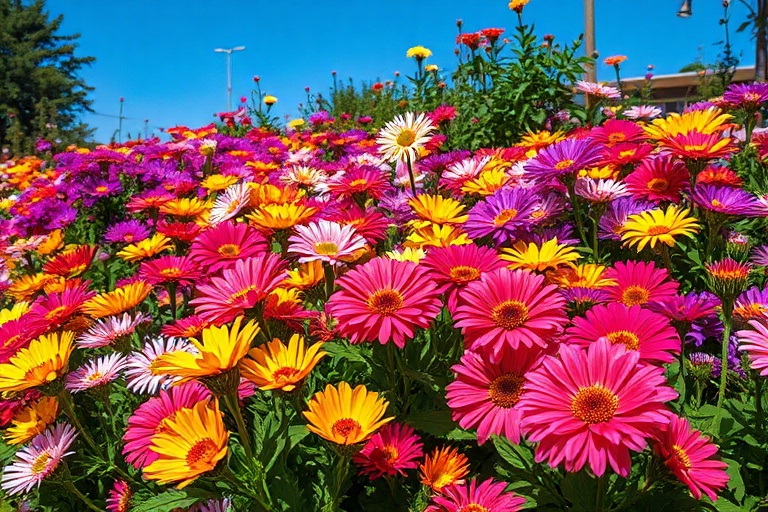
In the realm of botany, perennials are crucial for maintaining ecological balance. Unlike annuals, which complete their life cycle in a single year, perennials thrive over multiple seasons. This characteristic allows them to adapt to changing climates and environments. Some notable examples include:
- Roses
- Lavender
- Hostas
- Peonies
These plants not only beautify spaces but also provide essential habitats for wildlife and contribute to soil health. In many cultures, gardening with perennials symbolizes stability and continuity, reflecting a commitment to nurturing life over time.
Cultural Significance of Perennials
Across the globe, the concept of perennials transcends horticulture. In literature, the idea of enduring themes and characters often mirrors the characteristics of perennial plants. For instance, classic works, such as Shakespeare’s plays, continue to resonate with audiences due to their exploration of universal human experiences. Similarly, in philosophy, the concept of perennial wisdom refers to knowledge that remains relevant across generations, echoing through time.
In many indigenous cultures, certain plants are revered not just for their utility but for their spiritual significance. For example, the sacred fig tree (Ficus religiosa) in India is considered a symbol of enlightenment and longevity. The tree’s ability to survive in harsh conditions mirrors the resilience often celebrated in cultural narratives.
Perennials in Modern Contexts
In contemporary discussions, the term “perennial” has found its way into various fields, including education and personal development. For instance, the idea of lifelong learning aligns with the concept of being a perennial learner—someone who seeks knowledge continuously throughout their life. This mindset encourages adaptability and growth, essential qualities in today’s fast-paced world.
Moreover, businesses are increasingly adopting perennial strategies, focusing on sustainable practices that ensure long-term success rather than short-term gains. Companies that prioritize sustainability often find themselves better equipped to handle economic fluctuations and environmental challenges.
Conclusion
The idea of perennials serves as a powerful metaphor for resilience, continuity, and growth across various domains. Whether in nature, literature, or personal development, the principles of enduring life and wisdom have much to teach us. As we navigate our own lives, embracing the qualities of perennials can lead to a more sustainable and fulfilling existence. By recognizing the value of long-term commitments—be it in our gardens, relationships, or careers—we can cultivate a richer, more meaningful life.
For those interested in exploring related topics, check out our sections on Culture and Education for more insights and discussions on enduring themes and practices.