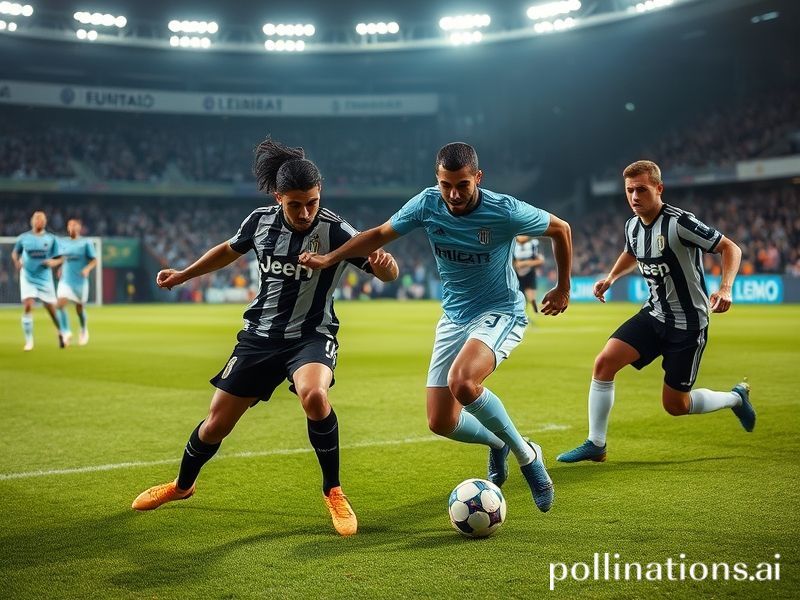
When CONMEBOL Libertadores fixtures collide, the clash between Fluminense and Bolívar often delivers a spectacle of contrasting styles. The Brazilian side, known for its fluid attacking football, faces off against the Bolivian club’s resilient defensive structure. This matchup isn’t just about points—it’s about pride, tactics, and continental prestige.
The Teams’ Paths to the Matchup
Fluminense entered this fixture as one of Brazil’s most in-form teams, riding a wave of attacking dominance under head coach Fernando Diniz. Their recent performances in Série A and the Libertadores showcased a high-pressing system that overwhelmed opponents. The likes of Germán Cano and Martínelli spearheaded an attack that averaged over two goals per game.
Bolívar, on the other hand, relied on tactical discipline to grind out results. Managed by academy product César Farías, the team prioritized compact defending and quick transitions. Their home record in La Paz—where altitude plays a crucial role—remained formidable, making them a tough opponent even for elite sides.
- Fluminense’s recent form: 5 wins in last 6 matches, averaging 2.3 goals per game.
- Bolívar’s defensive record: Only 3 goals conceded in their last 5 home games.
Tactical Breakdown: Two Philosophies Collide
The contrast between the two teams was stark. Fluminense’s 3-4-3 formation allowed wing-backs to push high, creating overloads on the wings. Their midfield trio of Lima, Alexsander, and Wendel controlled tempo with quick one-twos, while Cano’s movement dragged defenders out of position.
Bolívar’s 5-3-2 setup, meanwhile, prioritized compactness. The wing-backs stayed deep, and the midfield three shielded the backline. Their strategy hinged on counterattacks, exploiting spaces left by Fluminense’s aggressive positioning. Farías’ instructions were clear: force errors, then strike with pace.
“Bolívar’s structure is designed to frustrate. They don’t need to dominate possession—they just need to survive the first half.” — Soccer analyst Marcelo Bechler
Key Players to Watch
For Fluminense, Germán Cano’s physical presence could be decisive. The Argentine striker thrives in one-on-one situations, and his link-up play with Martínelli often unlocks stubborn defenses. The midfield battle between Lima and Bolívar’s defensive midfielder, Leonel Justiniano, would set the tone for the game.
Bolívar’s X-factor was midfielder Ramiro Vaca. His ability to spray long passes into dangerous areas tested Fluminense’s high line. Defender José Sagredo, a Bolivian international, would also need to be sharp against Cano’s movement.
- Germán Cano (Fluminense) – 8 goals in last 5 games.
- Ramiro Vaca (Bolívar) – 3 assists in last 4 matches.
- Leonel Justiniano (Bolívar) – 72% tackle success rate.
Historical Context and Rivalry Intensity
This wasn’t the first time these sides met in continental competition. Their last Libertadores clash in 2021 saw Fluminense win 2-0 on aggregate, but Bolívar pushed them hard in the second leg. The Bolivian side’s resilience under pressure hinted at their potential this time around.
The altitude in La Paz would play a role, too. Fluminense’s players had to adapt to the thinner air, which could slow their high-intensity pressing. Bolívar, acclimated to the conditions, would look to exploit any fatigue.
For Fluminense, a win would solidify their title hopes in the group stage. For Bolívar, a draw would be a morale boost ahead of their next fixtures. Every point mattered in this tightly contested group.
Conclusion: What to Expect
This matchup promised fireworks. Fluminense’s attacking prowess would test Bolívar’s defensive resolve, while the underdogs’ counterattacking plan could catch the Brazilians off guard. The tactical battle between Diniz’s aggressive system and Farías’ pragmatic approach would decide the outcome.
For fans of South American football, this was a must-watch. The balance between flair and resilience would be on full display, with continental pride hanging in the balance.
Regardless of the result, both teams would leave everything on the pitch—because in the Libertadores, every match is a statement.
For more on CONMEBOL Libertadores action and team analyses, visit our Sports and Analysis sections.