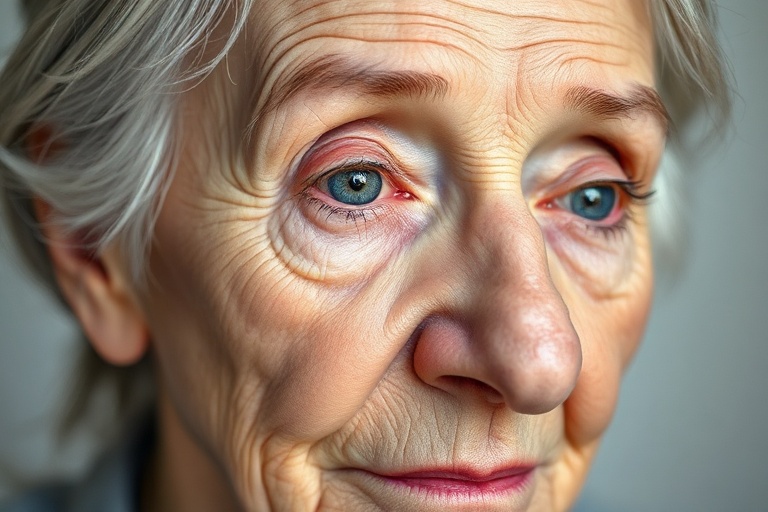
Grey hair has long been a visible marker of aging, often triggering reactions that range from quiet acceptance to outright dismissal. While some embrace the silver strands as a badge of experience, others rush to conceal them with dyes and treatments. Yet beyond the cosmetic concerns lies a complex interplay of biology, culture, and even psychology.
Why Hair Turns Grey: The Biology Behind the Shift
Human hair color is determined by melanin, the pigment produced by cells called melanocytes. These cells inject melanin into hair follicles, giving hair its natural shade. As we age, melanocytes gradually lose their ability to function, leading to a reduction in pigment. This process accelerates with time, eventually resulting in the stark contrast of grey or white hair.
Research suggests that grey hair isn’t just a random occurrence—it’s deeply tied to cellular aging. A 2020 study published in Nature found that oxidative stress and mitochondrial dysfunction play key roles in the degradation of melanocytes. Essentially, the same processes that cause wrinkles and slower metabolism also strip hair of its color.
The timeline varies widely among individuals. Some notice greying in their 20s, while others maintain their natural hue well into middle age. Genetics largely dictate this schedule. If your parents or grandparents went grey early, chances are you might too. Stress can also influence the process, though its impact has been debated. A 2021 study from Columbia University suggested that chronic stress might accelerate greying—but only temporarily. Once the stressor subsides, hair can regain some pigment, though long-term effects remain unclear.
Key Factors Influencing Grey Hair Onset
- Genetics: The primary driver; if your family grays early, you likely will too.
- Ethnicity: People of Caucasian descent tend to go grey earlier than those of Asian or African descent.
- Nutrition: Deficiencies in vitamins B12, D, and minerals like copper and zinc may contribute.
- Smoking: Linked to premature greying, possibly due to oxidative damage.
- Medical Conditions: Thyroid disorders, vitiligo, and alopecia areata can trigger early greying.
The Cultural Stigma: Why Grey Hair Isn’t Always Celebrated
In many societies, grey hair carries a heavy symbolic weight. Western beauty standards have historically favored youthfulness, associating grey tones with decline rather than wisdom. Advertisements for hair dyes target consumers as young as their late 20s, reinforcing the idea that greying is undesirable. A 2019 Journal of Women & Aging study found that women who dyed their hair reported feeling more confident in professional settings, suggesting that societal expectations shape self-perception.
Yet this narrative is slowly shifting. Celebrities like Helen Mirren, Jamie Lee Curtis, and Anderson Cooper have embraced their natural grey hair, challenging conventional norms. Social media campaigns such as #SilverSoiree and #GoingGrey have gained traction, encouraging people to reject ageist beauty standards. These movements frame grey hair not as a flaw, but as a form of self-expression.
In other cultures, grey hair is revered. In many Indigenous and Asian traditions, silver hair symbolizes wisdom and respect. Japanese culture, for instance, associates grey hair with sagacity, often depicted in art and literature as a trait of elders. This contrast highlights how perceptions of aging are deeply rooted in cultural context.
Can You Reverse Grey Hair? Science Weighs In
Once hair turns grey, reversing the process is notoriously difficult. Melanocyte stem cells, which regenerate pigment, become depleted over time. However, some emerging research offers cautious optimism. A 2023 study from the University of Texas at Austin explored the use of drugs like JAK inhibitors, which have shown potential in restoring pigment in lab-grown hair follicles.
Nutritional interventions also show promise. Diets rich in antioxidants—found in berries, nuts, and leafy greens—may slow oxidative damage to melanocytes. Some supplements, like catalase and PABA, claim to reduce grey hair, but scientific evidence remains limited. Topical treatments, including melatonin-based serums, have shown mixed results in clinical trials.
For now, the most reliable solutions remain cosmetic. Hair dyes, whether permanent or semi-permanent, dominate the market. Brands like L’Oréal and Garnier offer a spectrum of shades, from subtle enhancements to bold transformations. Meanwhile, natural alternatives such as henna and chamomile rinses provide temporary coverage for those seeking gentler options.
Grey Hair in the Modern World: More Than Just Aesthetics
The conversation around grey hair extends beyond vanity. It touches on identity, autonomy, and the right to age without apology. As the global population ages—with the number of people over 65 projected to reach 1.5 billion by 2050—challenging ageist beauty standards becomes increasingly urgent. The beauty industry, long complicit in promoting youth-centric ideals, is beginning to respond. Brands like Dove and AARP have launched campaigns celebrating natural greying, signaling a potential shift in market priorities.
There’s also an environmental angle. Hair dye isn’t just a personal choice; it has ecological consequences. Traditional dyes contain ammonia, PPD (paraphenylenediamine), and other harsh chemicals that pollute water systems and pose health risks. The rise of “clean beauty” has led to a surge in plant-based and ammonia-free alternatives, reflecting a broader demand for sustainability.
Ultimately, grey hair is a conversation starter. It forces us to confront our biases about aging, beauty, and what it means to grow older in a youth-obsessed world. Whether you choose to dye, embrace, or celebrate it, the choice is yours—but the dialogue is long overdue.
One thing is certain: grey hair isn’t going anywhere. And perhaps that’s the point.
For more insights into cultural trends and personal style, explore our Fashion and Health sections.