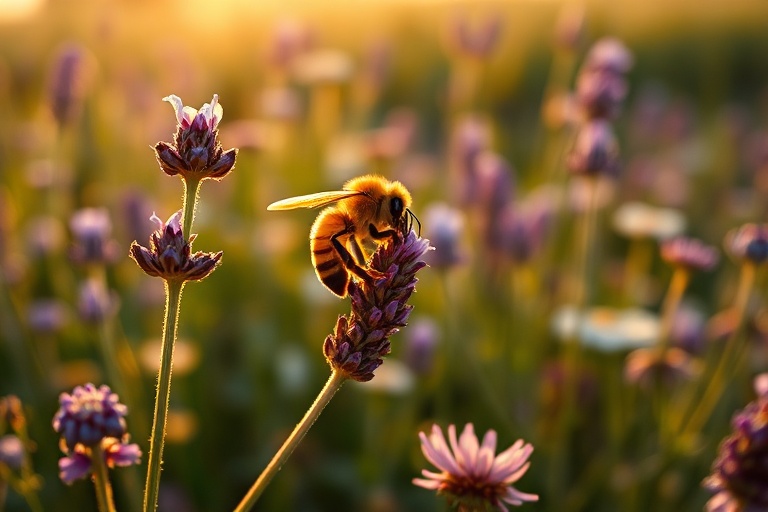
World Bee Day: Why These Tiny Pollinators Matter More Than You Think
“`html
Why May 20th Is More Important Than You Realized
Every year on May 20th, governments, environmental groups, and communities pause to recognize World Bee Day—a day that highlights the critical role bees play in global ecosystems. Established by the United Nations in 2017, this observance serves as a reminder of how these small insects underpin food security, economic stability, and biodiversity. While bees might seem like a minor part of nature’s machinery, their work sustains entire agricultural industries and shapes the foods we eat daily.
The day’s significance goes beyond agriculture. It reflects a growing global consensus: protecting pollinators is not just an environmental issue but a human one. With bee populations declining in many regions, World Bee Day urges collective action to reverse these trends before the consequences become irreversible. From urban rooftop hives to vast rural farms, the conversation around bee conservation has evolved into a movement that spans continents and cultures.
The Global Decline of Bees and Its Consequences
Bees face multiple threats, including habitat loss, pesticide exposure, climate change, and disease. According to the Food and Agriculture Organization (FAO), over 40% of invertebrate pollinator species—particularly bees and butterflies—are facing extinction. This decline is not confined to one region; it’s a worldwide phenomenon. In Europe, wild bee populations have dropped by nearly 40% in the past decade. In North America, the rusty patched bumblebee was listed as endangered in 2017, marking the first time a bee species received federal protection in the U.S.
The ripple effects of bee loss extend far beyond honey production. About 75% of global food crops depend at least partially on animal pollination. Without bees, many fruits, vegetables, and nuts would become scarce or more expensive. Consider coffee, cocoa, and almonds—these crops rely heavily on bee pollination, and their supply chains could falter without intervention. The economic impact is staggering: pollination services are valued at over $235 billion annually, according to the Intergovernmental Science-Policy Platform on Biodiversity and Ecosystem Services (IPBES).
How Different Cultures Are Embracing Bee Conservation
The relationship between humans and bees is deeply rooted in cultural traditions around the world. In many indigenous communities, bees are revered as sacred creatures that connect the earthly and spiritual realms. For example, the Maya of Central America view the stingless bee Melipona as a symbol of wisdom and community. Traditional beekeeping practices, passed down through generations, emphasize harmony with nature rather than exploitation. These methods often avoid synthetic chemicals and prioritize biodiversity, offering lessons in sustainable agriculture.
In contrast, industrialized nations have historically treated beekeeping as an agricultural commodity. However, a cultural shift is underway. Urban beekeeping has surged in cities like Berlin, Tokyo, and New York, where rooftop hives and community gardens are becoming symbols of environmental activism. In India, the “Save the Honey Bees” campaign has mobilized thousands of farmers to adopt organic farming techniques to protect local bee species. Meanwhile, in Africa, organizations like the Beekeeping for Poverty Alleviation Program train rural communities in beekeeping as a means to generate income while promoting conservation.
These diverse approaches highlight a universal truth: bee conservation is not a one-size-fits-all endeavor. It requires blending traditional knowledge with modern science to create solutions that are both effective and culturally relevant.
How You Can Support Bees Beyond World Bee Day
Individual actions may seem small, but collectively, they can make a significant difference. Here are practical steps anyone can take to support bee populations:
- Plant bee-friendly flora: Choose native plants that bloom at different times of the year to provide a continuous food source. Lavender, sunflowers, and wildflowers are excellent choices. Avoid hybrid plants, which often lack the nectar and pollen bees need.
- Reduce pesticide use: If you garden, opt for natural pest control methods like companion planting or introducing beneficial insects like ladybugs. Support local farmers who use organic or integrated pest management practices.
- Support local beekeepers: Buying honey and beeswax products from small-scale, sustainable beekeepers helps maintain local hives and discourages industrial-scale farming that harms bees.
- Create a bee habitat: Even a small patch of bare soil or a bee hotel can provide nesting sites for solitary bees. Leave some areas of your garden wild to encourage natural bee activity.
- Educate and advocate: Share information about bee conservation with your community. Support policies that protect pollinators, such as bans on harmful pesticides or funding for habitat restoration programs.
Corporations and governments also have a role to play. Initiatives like the EU Pollinators Initiative and the U.S. National Strategy to Promote the Health of Honey Bees and Other Pollinators aim to restore bee habitats and reduce pesticide risks. However, public pressure is often the catalyst for meaningful change. Supporting brands that prioritize sustainability—whether in food, fashion, or technology—sends a message that consumers value ecological responsibility.
The Future of Bees: A Call to Action
The story of bees is ultimately a story about interconnectedness. They are the thread that weaves together ecosystems, economies, and cultures. World Bee Day is not just a celebration; it’s a call to action. The decline of bees is a warning sign—a symptom of broader environmental neglect. Addressing it requires systemic change: from agricultural policies to urban planning, from consumer habits to corporate accountability.
Yet, there is hope. Around the world, conservationists, scientists, and everyday people are stepping up to protect these vital pollinators. Innovations like drone pollination and robotic bees may offer temporary solutions, but they are no substitute for the real thing. The health of bee populations is a litmus test for the health of our planet. If we can turn the tide for bees, we can do the same for countless other species on the brink.
This World Bee Day, consider what you can do to make a difference. Whether it’s planting a single flower or advocating for stronger environmental policies, every action counts. The bees are counting on us—and so is the future of food, biodiversity, and life as we know it.