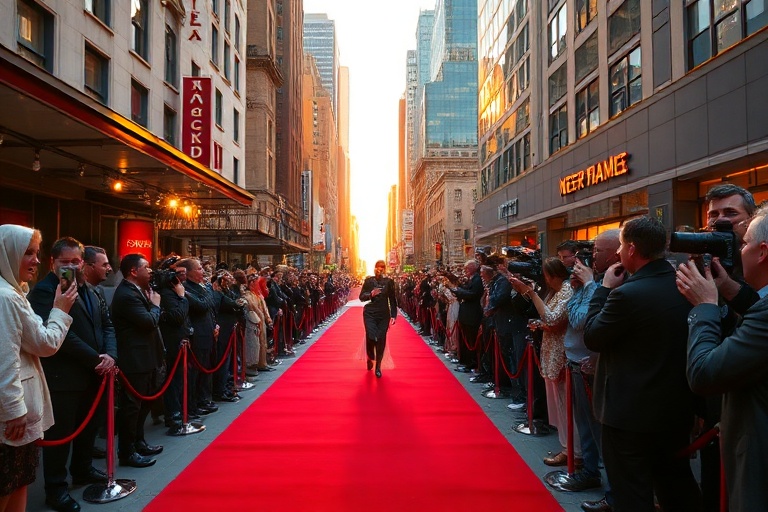
The city premiere has long served as a cultural bridge between filmmakers and audiences, but its role in shaping urban identity has evolved dramatically. These events transform public spaces into stages, blending artistry with the pulse of city life. From red carpets on downtown streets to interactive installations in subway stations, the modern premiere redefines how communities experience cinema.
This evolution reflects broader shifts in how cities position themselves as creative hubs. A successful premiere doesn’t just showcase a film—it becomes part of the city’s narrative, drawing attention to local landmarks while amplifying the film’s themes. The intersection of urban culture and cinematic storytelling creates moments that linger longer than the closing credits.
The Anatomy of a Modern Premiere
Contemporary city premieres operate on multiple levels. They’re marketing spectacles, sure, but they’ve also become platforms for social commentary and community engagement. The most memorable events balance glamour with authenticity, ensuring the film’s message resonates beyond the theater.
Consider the structural elements that define these occasions:
- Location as Character: Premieres often choose venues that mirror the film’s setting—think historic theaters in revitalized districts or open-air screenings in iconic plazas.
- Interactive Experiences: Augmented reality filters, pop-up art installations, and live performances transform passive attendance into active participation.
- Local Partnerships: Collaboration with city agencies, nonprofits, and small businesses ensures the event benefits the community, not just the studio.
- Social Media Integration: Hashtags, geofilters, and real-time audience polls create a digital echo chamber around the physical event.
These elements work together to craft an experience that feels both exclusive and inclusive. The goal isn’t merely to sell tickets—it’s to embed the film in the city’s cultural DNA.
Case Studies: Premieres That Redefined Urban Spaces
Several recent premieres have demonstrated how strategic location and thematic alignment can elevate both the film and the host city. Take Black Panther: Wakanda Forever, which premiered in Oakland, California. The event leveraged the city’s deep ties to African-American culture, hosting a red carpet along Mandela Parkway and partnering with local artists to create murals inspired by the film’s themes. This approach didn’t just honor the film’s setting—it reinforced Oakland’s identity as a center of Black creativity.
Another standout was the Barbie premiere in Los Angeles, which turned the city’s streets into a pastel-hued playground. Warner Bros. collaborated with local businesses to create themed pop-ups, from a pink convertible rental service to a “Barbie Dream Closet” exhibit at a vintage boutique. The premiere became a love letter to LA’s fashion history, while also driving foot traffic to struggling small businesses.
These examples show that when a premiere aligns with a city’s cultural strengths, the benefits extend far beyond opening weekend. The film gains authenticity, the city gains visibility, and audiences gain a deeper connection to both.
The Broader Implications for Cities and Studios
The rise of the city premiere reflects deeper trends in how entertainment and urban development intersect. For cities, these events offer a low-cost way to revitalize neighborhoods, attract tourism, and foster creative economies. The Top Gun: Maverick premiere in San Diego, for instance, coincided with a surge in aviation-themed tourism, benefiting local museums and flight schools. Cities are increasingly competing to host premieres as part of their economic development strategies, often offering tax incentives or marketing support to studios.
For studios, the city premiere is a powerful tool for audience engagement in an era of fragmented attention. Traditional marketing relies heavily on digital ads and trailers, but a premiere creates a tangible, shareable moment that cuts through the noise. It also allows filmmakers to tailor their message to specific communities. A horror film might premiere in a gritty urban district to emphasize its edgy tone, while a family comedy could choose a suburban shopping center to highlight its broad appeal.
However, the approach isn’t without challenges. High-profile premieres can exacerbate gentrification, pricing out long-time residents as property values rise. They also risk overshadowing the film’s actual content in favor of spectacle. The key is finding a balance—celebrating the city without erasing its complexities.
What’s Next for the City Premiere?
The future of the city premiere lies in personalization and sustainability. As audiences demand more immersive experiences, expect to see premieres that incorporate AI-driven elements, such as interactive chatbots guiding attendees through the event or AR scavenger hunts that reveal hidden film lore. Virtual reality could also play a role, allowing remote audiences to “attend” premieres in digital replicas of the host city.
Sustainability will become equally important. Studios are already experimenting with carbon-neutral premieres, offsetting travel emissions and using reusable decor. The Dune: Part Two premiere in Toronto, for example, featured compostable signage and partnered with local food banks to reduce waste. As climate concerns grow, these practices will likely become standard.
Another trend to watch is the rise of “micro-premieres”—smaller, hyper-local events that prioritize community over celebrity. These could take the form of screenings in community centers, followed by discussions with filmmakers or local activists. Such events align with the growing demand for media that reflects diverse perspectives, ensuring that premieres aren’t just about star power but about meaningful engagement.
Ultimately, the city premiere’s greatest strength is its ability to turn a film into a shared cultural moment. In an age where attention is fragmented, these events remind us that stories are best experienced together—amid the energy of a bustling city, where every corner can become part of the narrative.
For those interested in exploring how premieres intersect with broader cultural trends, Dave’s Locker’s Entertainment section offers deeper analysis into the evolving relationship between media and urban life. Similarly, the Culture category examines how cities shape—and are shaped by—creative industries.