How Modern Border Control Balances Security and Humanity
“`html
Global Border Control: Balancing Security and Humanity
The movement of people across borders has shaped civilizations for centuries, but today’s systems reflect a tension between protection and pragmatism. Modern border control blends technology, policy, and cultural values to manage migration, trade, and security. This balance differs dramatically from region to region, influenced by geography, politics, and historical memory.
In Europe, for example, the Schengen Zone eliminated internal border checks, allowing over 400 million citizens to move freely. Yet this freedom relies on fortified external borders patrolled by agencies like Frontex, which coordinates operations across 30 countries. The contrast is stark: within the zone, travelers glide through seamless transit, while at its edges, drones and biometric scanners monitor arrivals.
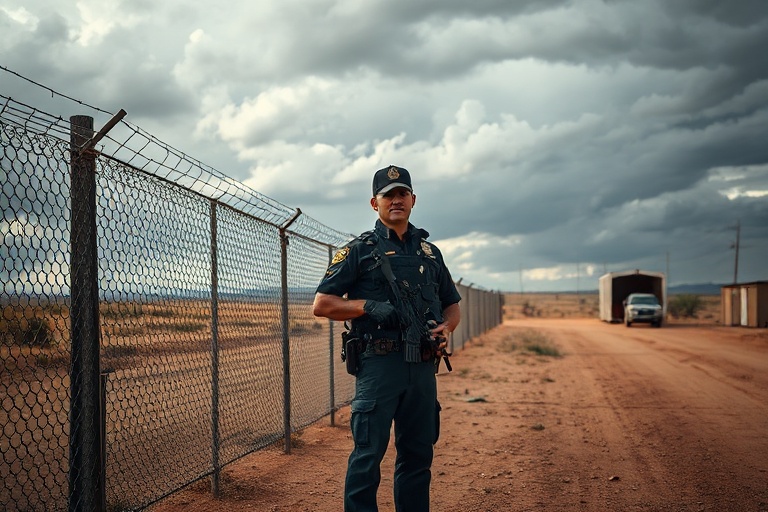
Meanwhile, in North America, policies have shifted dramatically. The U.S.-Mexico border stretches nearly 2,000 miles, monitored by sensors, drones, and thousands of agents. Recent years have seen the rise of metering systems that limit asylum claims at official ports of entry, pushing migrants toward dangerous crossings. Critics argue such tactics violate humanitarian principles, while supporters claim they preserve national sovereignty.
The Tools of Modern Border Management
Technology now plays a central role in border enforcement. Biometric systems—fingerprint and facial recognition—verify identities in seconds, reducing fraud but raising privacy concerns. Artificial intelligence analyzes travel patterns to flag suspicious behavior, though critics warn of algorithmic bias. Drones patrol remote areas, while thermal cameras detect movement at night.
Yet tools alone don’t define policy. In Australia, offshore detention centers on Manus Island and Nauru became symbols of a “stop the boats” strategy, deterring asylum seekers through geographic isolation. The policy saved lives at sea but drew condemnation for its human cost. Meanwhile, Canada’s use of biometrics focuses on efficiency, not deterrence, reflecting a more welcoming stance.
Documentation systems also vary widely. Some countries rely on e-visas and digital pre-clearance, while others still require paper applications and in-person interviews. The European Union’s Entry-Exit System, set to launch in 2025, will track entries and exits of non-EU travelers, aiming to curb overstays but raising concerns about data privacy.
Cultural Values Shape Border Policies
Border policies are never just about security—they reflect national identity. In Japan, strict immigration controls align with a cultural emphasis on homogeneity and social cohesion. Visa-free travel is rare, and naturalization remains difficult. This approach prioritizes stability over diversity, a choice rooted in post-WWII reconstruction and economic planning.
Contrast that with Canada, which actively recruits immigrants to fill labor gaps and maintain population growth. Its points-based system rewards skills over nationality, embodying a multicultural ethos. Even America’s melting pot ideal has faced challenges, from the Chinese Exclusion Act of 1882 to today’s debates over family reunification and work visas.
Religious and historical narratives also leave marks. Hungary’s anti-migration rhetoric during the 2015 refugee crisis invoked Christian identity and wartime trauma. Poland’s current government has cited security concerns to reject EU migrant quotas, echoing Cold War-era isolationism. Meanwhile, nations like New Zealand emphasize indigenous rights and environmental stewardship in their border narratives, weaving Maori concepts into policy discussions.
These cultural lenses extend to trade as well. Singapore’s global trade hub status depends on open borders for goods and talent, while North Korea’s rigid controls reflect a siege mentality. The European Union’s single market thrives on free movement of labor and capital, a direct challenge to nationalist movements that see borders as impermeable lines.
The Human Cost of Strict Control
No matter the policy, borders have human consequences. The Mediterranean Sea remains the deadliest migration route in the world, with over 28,000 deaths recorded since 2014. Survivors often face detention, deportation, or statelessness. In the U.S., families separated at the southern border under “Zero Tolerance” policies in 2018 left scars that persist today.
Even when systems work as intended, they can create barriers to opportunity. High-skilled workers face years-long waits for visas in countries like the United States, while low-skilled laborers risk exploitation in informal economies. Refugees with valid claims wait decades for resettlement, their lives suspended in bureaucratic limbo.
Some solutions are emerging. Portugal’s 2022 law grants temporary legal status to undocumented migrants, allowing them to work and access services while pathways clear. Cities like Barcelona and Berlin have declared themselves “sanctuary” zones, limiting cooperation with federal deportation efforts. These local actions challenge national policies, highlighting a growing tension between top-down control and bottom-up compassion.
Looking Ahead: Can Borders Be Both Secure and Humane?
The future of border control may lie in smarter integration of technology and empathy. Estonia’s digital border system allows travelers to pre-register health declarations and customs forms, reducing wait times without sacrificing oversight. In Rwanda, a biometric refugee registration system helps reunite families separated by conflict. These models prove that security and humanity aren’t mutually exclusive.
Yet challenges remain. Climate change will displace millions, shifting migration patterns and straining systems designed for slower demographic shifts. Automation and AI could reduce human bias in processing but also risk dehumanizing decision-making. The rise of far-right movements in Europe and beyond signals a backlash against openness, demanding new strategies to rebuild trust.
Ultimately, borders are not just lines on a map. They are expressions of power, identity, and values. The most effective systems will be those that adapt—not just to threats, but to the evolving needs of people on both sides.
For further reading on related topics, explore our News section for policy updates or our Travel category for insights on navigating visa systems.
Conclusion
Border control sits at the intersection of security, economics, and ethics. As technology advances and global challenges evolve, the debate will only intensify. What remains clear is that humanity must remain at the heart of these systems—because no policy is worth more than the lives it affects.