The United States Coast Guard Academy: Tradition, Training, and Global Influence
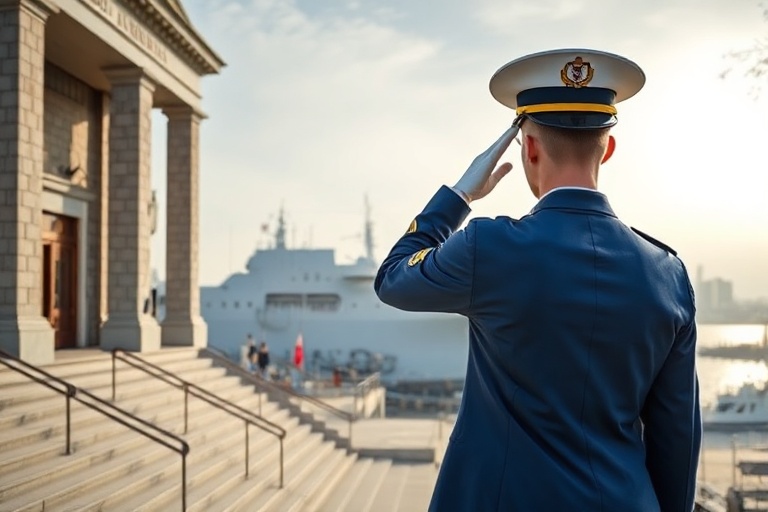
The United States Coast Guard Academy stands as one of the nation’s most distinctive service academies, blending rigorous academic programs with unparalleled leadership development and operational training. Unlike the Army, Navy, and Air Force academies, the Coast Guard Academy uniquely prepares cadets for missions that span maritime law enforcement, environmental protection, and search-and-rescue operations. Established in 1876 in New London, Connecticut, the academy has evolved into a global model for integrated military education and public service.
With a compact campus overlooking the Thames River, the academy offers a four-year undergraduate experience that emphasizes character, physical fitness, and technical expertise. Graduates earn a Bachelor of Science degree and a commission as an ensign in the U.S. Coast Guard. But beyond its domestic reputation, the academy’s influence extends internationally, shaping maritime leadership in countries from Southeast Asia to Europe.
Academic Excellence and Rigorous Training
The Coast Guard Academy’s academic curriculum is designed to meet the demands of modern maritime operations. Cadets pursue majors in engineering, marine science, business, and government, among others. One of the academy’s signature programs is the Marine and Environmental Sciences major, which prepares graduates for roles in environmental compliance, oceanography, and coastal management.
Training is not confined to textbooks. Cadets participate in the Sea Year, a hallmark of the academy’s program where midshipmen spend six months aboard Coast Guard cutters, buoy tenders, and other vessels. This immersive experience instills operational readiness and fosters adaptability in unpredictable maritime environments. The academy’s simulator facilities—ranging from navigation bridges to engine rooms—replicate real-world conditions, ensuring cadets develop hands-on expertise long before commissioning.
Physical development is equally central. The academy’s training regimen includes daily physical fitness, competitive sports, and a demanding leadership lab known as Regimental Training. Cadets are evaluated not only on strength and endurance but on their ability to lead under pressure, a critical skill for Coast Guard operations worldwide.
A Global Perspective on Maritime Leadership
The Coast Guard Academy’s influence reaches far beyond U.S. waters. Through international exchange programs, cadets train alongside peers from allied nations, including Canada, Japan, and the United Kingdom. These exchanges foster cross-cultural understanding and strengthen global maritime partnerships, particularly in counter-narcotics and anti-piracy efforts.
One notable initiative is the Southeast Asia Cooperation and Training (SEACAT) program, which the U.S. Coast Guard supports through cadet exchanges and joint exercises. These engagements help build regional capacity in maritime law enforcement and disaster response, reinforcing stability in critical waterways like the South China Sea. Similarly, cadets participate in the International Maritime Organization’s (IMO) cadet training standards, aligning U.S. practices with global best practices.
Cultural exchange extends to faculty as well. The academy regularly hosts international officers for professional development, sharing insights on coastal surveillance, environmental protection, and port security. These interactions enrich the learning environment and underscore the academy’s role as a hub for maritime diplomacy.
Innovation and the Future of Coast Guard Operations
As climate change and geopolitical tensions reshape the maritime landscape, the Coast Guard Academy is evolving to meet new challenges. The integration of unmanned systems, artificial intelligence, and renewable energy into Coast Guard operations is reflected in the academy’s evolving curriculum. Cadets now study cybersecurity, data analytics, and sustainable engineering, preparing them for missions that extend into the digital and environmental domains.
The academy’s research initiatives are equally forward-thinking. The Science and Technology programs collaborate with federal agencies like NOAA and DHS to develop solutions for oil spill response, Arctic navigation, and coastal resilience. These projects not only enhance operational readiness but also contribute to the broader scientific community.
Looking ahead, the academy is expanding its reach through partnerships with civilian universities and industry leaders. Joint degree programs and internships with organizations like Silicon Valley tech firms are becoming more common, bridging the gap between traditional maritime training and modern innovation.
Conclusion: More Than a Military Academy
The U.S. Coast Guard Academy is more than a training ground for future officers—it is a global institution shaping the future of maritime security, environmental stewardship, and international cooperation. By combining academic rigor, operational experience, and cultural exchange, the academy produces leaders capable of navigating the complexities of a rapidly changing world.
As geopolitical tensions rise and climate-related disasters intensify, the need for skilled maritime professionals has never been greater. The Coast Guard Academy remains at the forefront of this effort, preparing the next generation of leaders to safeguard the seas, protect the environment, and uphold the rule of law on a global scale.