Jaguar Land Rover and WPP Forge New Automotive Marketing Era
“`html
Jaguar Land Rover and WPP Join Forces to Redefine Automotive Branding
In an unprecedented move within the automotive industry, Jaguar Land Rover (JLR) and WPP have announced a landmark global partnership. This collaboration aims to redefine how luxury and performance vehicles connect with consumers in an increasingly digital-first world. By pooling resources, creative talent, and data-driven insights, the alliance seeks to elevate JLR’s brands to new heights of market relevance.
The partnership comes at a critical juncture for JLR, as the company navigates shifting consumer preferences toward electrification and sustainability. With WPP’s expertise in consumer behavior and brand transformation, the collaboration could serve as a blueprint for legacy automakers adapting to the 21st century. Industry analysts have already begun speculating about the potential ripple effects across the broader automotive marketing landscape.
The Strategic Vision Behind the Partnership
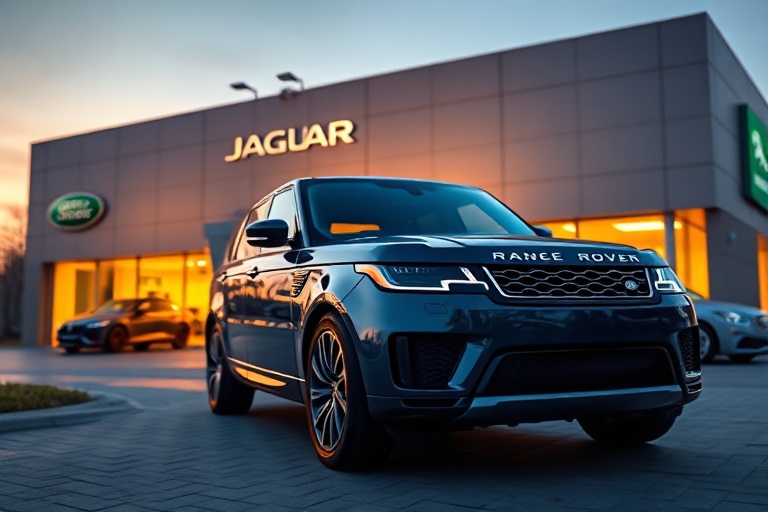
At its core, this alliance represents more than just a creative partnership—it’s a strategic realignment of JLR’s entire approach to brand communication. The agreement, which spans multiple years, will see WPP’s vast network of agencies integrate seamlessly with JLR’s global marketing teams. This includes brands like Jaguar, Land Rover, and the emerging electric vehicle lineup under the new Range Rover sub-brand.
According to JLR’s Chief Marketing Officer, the collaboration will focus on three key pillars: digital transformation, experiential storytelling, and data-driven personalization. WPP will deploy its specialized units including Ogilvy, Wunderman Thompson, and VMLY&R to craft campaigns that resonate across all touchpoints, from social media to dealership experiences.
- Digital-first approach: Campaigns will prioritize interactive digital platforms, leveraging augmented reality and virtual reality to showcase vehicle capabilities.
- Experiential storytelling: Immersive brand experiences will bring JLR’s heritage and innovation to life in unexpected ways.
- Data-driven personalization: Advanced analytics will enable hyper-targeted messaging tailored to individual consumer preferences and behaviors.
The partnership also includes a commitment to sustainability communications, with both companies pledging to highlight JLR’s transition toward electric vehicles and carbon-neutral manufacturing processes. This aligns with growing consumer demand for brands that demonstrate environmental responsibility.
Industry Implications and Competitive Landscape
This collaboration sends a clear signal to competitors like BMW, Mercedes-Benz, and Tesla about the importance of agile marketing in the automotive sector. Traditional automakers have long relied on legacy advertising models, but the rapid rise of digital-native brands has forced an evolution. JLR’s partnership with WPP suggests a recognition that future success depends on more than just product innovation—it requires equally innovative communication strategies.
Analysts at Dave’s Locker Automotive have noted that this deal could accelerate similar partnerships across the industry. The integration of creative agencies with automotive brands represents a convergence of two worlds that have historically operated separately. The result may well be a new standard for how vehicles are marketed globally.
One particularly interesting aspect is the focus on Land Rover’s off-road heritage versus Jaguar’s performance-oriented image. WPP’s challenge will be to maintain these distinct brand identities while creating a cohesive overarching strategy. Early indications suggest the agency will develop separate campaigns for each brand, ensuring their unique personalities remain intact.
Electrification and the Marketing Challenge
The timing of this partnership coincides with JLR’s ambitious electrification plans. By 2030, the company aims to achieve net-zero carbon emissions across its supply chain, product use, and operations. Communicating this transition effectively will be crucial to maintaining customer trust and attracting younger demographics who prioritize sustainability.
WPP’s data analytics capabilities will play a vital role in this effort. By analyzing consumer sentiment and purchase behaviors, the agency can help JLR craft messages that resonate with different market segments. For instance, urban millennials may respond differently to electric vehicle pitches than traditional luxury buyers in mature markets.
Consumer Response and Market Expectations
Initial reactions from industry observers have been cautiously optimistic. While the partnership has generated significant buzz, some analysts question whether the scale of WPP’s involvement might dilute JLR’s brand voice. Others point to successful precedents, such as Nike’s long-standing relationship with Wieden+Kennedy, as evidence that such collaborations can elevate brand equity.
Consumer focus groups have shown particular interest in how the partnership might enhance the buying experience. Potential customers anticipate more engaging digital tools, improved virtual showroom experiences, and perhaps even gamified elements that make vehicle exploration more interactive. The ability to test drive vehicles through mixed reality platforms could become a key differentiator for JLR.
The partnership also opens new avenues for influencer collaborations. WPP’s extensive network of content creators and social media personalities could help JLR reach audiences that traditional automotive marketing often misses. This approach aligns with the company’s goal of making its brands more accessible while maintaining their premium positioning.
The Road Ahead: Challenges and Opportunities
Despite the promise, the partnership faces significant challenges. Integrating two global giants with distinct corporate cultures will require careful navigation. JLR’s traditional engineering-focused culture may clash with WPP’s creative-first approach, necessitating strong leadership to bridge these differences.
Measurement and ROI will also be critical concerns. Automotive marketing has historically struggled with attribution—the ability to directly link marketing spend to sales. WPP will need to implement robust tracking systems to demonstrate the partnership’s effectiveness, particularly as JLR shifts more budget toward digital channels.
Yet the opportunities far outweigh the risks. The collaboration could position JLR as a thought leader in automotive marketing innovation. By embracing cutting-edge technologies and data-driven strategies, JLR may attract not just customers but also top talent in the creative and tech industries.
For WPP, this deal represents a major win in the automotive sector, a historically challenging industry for advertising agencies. Success here could open doors to similar partnerships with other legacy brands looking to modernize their marketing approaches.
Sustainability as a Core Messaging Pillar
One of the most compelling aspects of this partnership is its focus on sustainability communications. As governments worldwide implement stricter emissions regulations, automakers face increasing pressure to justify their environmental impact. JLR’s partnership with WPP comes at a crucial moment, providing the tools to communicate its green initiatives effectively.
The campaign strategy will likely emphasize three key sustainability themes: electric vehicle innovation, responsible manufacturing, and circular economy practices. WPP’s creative teams will need to balance technical specifications with emotional storytelling to make these concepts accessible to mainstream audiences.
Early campaign concepts reportedly include interactive microsites that allow users to explore JLR’s manufacturing facilities virtually, highlighting renewable energy sources and waste reduction programs. Another initiative may involve partnerships with environmental organizations to amplify messaging about conservation efforts tied to vehicle purchases.
This approach mirrors successful sustainability campaigns from other industries, proving that purpose-driven marketing can coexist with luxury branding when executed authentically.
Conclusion: A New Chapter for Automotive Marketing
The Jaguar Land Rover and WPP partnership represents more than just a business arrangement—it signals a fundamental shift in how automotive brands will compete in the coming decades. By combining JLR’s engineering excellence with WPP’s creative and data capabilities, the collaboration has the potential to redefine luxury and performance marketing.
For consumers, the benefits could be substantial. More engaging brand experiences, personalized communications, and transparent sustainability messaging may lead to stronger emotional connections with JLR’s vehicles. This emotional resonance will be crucial as the automotive industry undergoes its most significant transformation since the invention of the internal combustion engine.
Industry watchers will be closely monitoring the partnership’s progress, particularly in the early phases when the first campaigns debut. Success here could encourage other automakers to reconsider their own marketing strategies, potentially leading to a wave of similar collaborations across the sector.
The road ahead is long, and the challenges are real, but the potential rewards—for JLR, WPP, and the automotive industry as a whole—are immense. This partnership may well be remembered as the moment when automotive marketing entered a new era of innovation and consumer connection.