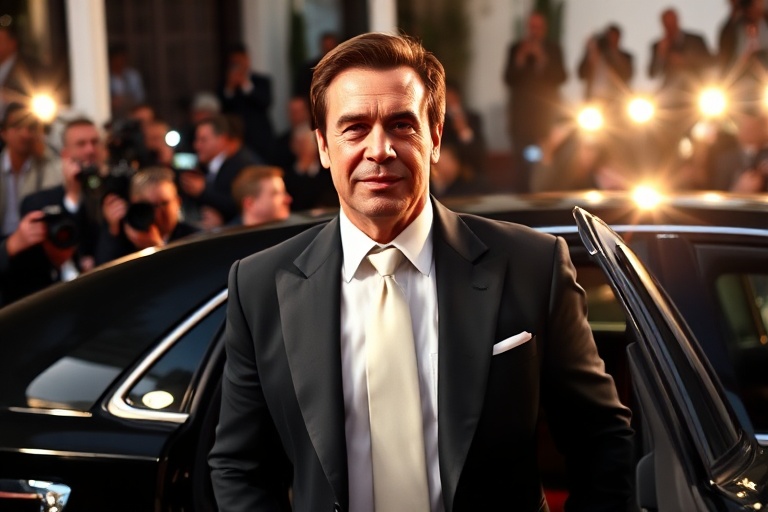
Few red carpets have been as memorable as those featuring John Travolta, especially during his appearances at the Cannes Film Festival. The actor’s bold fashion choices—from tailored suits to unexpected costumes—have become the stuff of legend, blending Hollywood glamour with playful unpredictability. His most talked-about moment remains his 1998 arrival in a white suit, which sparked a global conversation about celebrity fashion and the power of a single outfit.
Beyond the headlines, Travolta’s Cannes looks reflect broader trends in how stars engage with high-profile events. They challenge traditional expectations while reinforcing the actor’s larger-than-life persona. This examination of his festival appearances reveals how celebrity culture, fashion, and media intersect in ways that extend far beyond the red carpet.
The 1998 White Suit: A Fashion Moment for the Ages
The Cannes Film Festival of 1998 will forever be tied to John Travolta’s white suit, an ensemble that transcended mere fashion to become a cultural touchstone. Wearing a crisp, double-breasted white suit paired with a black shirt and tie, Travolta arrived at the event with an air of confidence that matched his star power. The choice was deliberate, a nod to classic Hollywood elegance while pushing boundaries with its monochromatic contrast.
Photographers at the festival captured the moment from every angle, and the images spread rapidly across global media. The suit wasn’t just an outfit; it was a statement. It signaled Travolta’s willingness to embrace bold fashion risks, a trait that has defined his public appearances ever since. The look also sparked debates about celebrity fashion, with some praising its audacity and others questioning its appropriateness for such a prestigious event.
Why the White Suit Stood Out
Several factors contributed to the white suit’s iconic status:
- Contrast and Boldness: The stark white against black created a striking visual that dominated photographs and headlines.
- Cultural Context: In an era where red carpet fashion was becoming increasingly scrutinized, Travolta’s choice was impossible to ignore.
- Celebrity Influence: His status as a Hollywood A-lister ensured that the moment would be amplified by media outlets worldwide.
- Timelessness: Unlike trends that fade quickly, the white suit’s classic lines gave it an enduring appeal.
The suit also reflected Travolta’s personal style, which often blends sophistication with a touch of theatricality. It wasn’t the first time he’d made a fashion statement—his white suit at the 1977 Oscars remains legendary—but Cannes provided a different stage, one where European audiences and critics would weigh in with their own perspectives.
Beyond the White Suit: Other Memorable Cannes Looks
While the white suit remains Travolta’s most famous Cannes moment, it’s far from his only notable appearance. Over the years, he has used the festival as a platform to experiment with fashion, often blurring the lines between actor and character. His 2014 arrival in a black suit with a bold red lining drew comparisons to his role in Pulp Fiction, reinforcing his ability to merge life and art seamlessly.
In 2016, Travolta arrived at Cannes in a bright blue suit, a choice that felt both fresh and nostalgic. The color evoked his role in Saturday Night Fever, while the modern cut kept it contemporary. These appearances highlight a pattern: Travolta doesn’t just wear suits; he uses them to tell stories, whether about his past roles or his evolving public image.
A Pattern of Reinvention
Travolta’s Cannes looks can be viewed through the lens of reinvention. Each outfit serves as a visual chapter in his career, reflecting his adaptability and enduring appeal. Consider the following key moments:
- 1998 (White Suit): A declaration of confidence and a challenge to traditional red carpet norms.
- 2014 (Black Suit with Red Lining): A deliberate callback to his most iconic role, proving that his influence remains undiminished.
- 2016 (Blue Suit): A bridge between his disco-era fame and his later career, blending nostalgia with modernity.
- 2019 (Gray Three-Piece Suit): A return to classic elegance, signaling maturity and refinement.
These choices aren’t random; they’re calculated. Travolta understands that fashion is another form of storytelling, and Cannes provides the perfect stage for his performances.
The Broader Impact: Fashion, Celebrity, and Media
John Travolta’s Cannes looks do more than make headlines—they influence broader conversations about celebrity, fashion, and media. His white suit moment, in particular, demonstrated how a single outfit could dominate global discourse, shaping perceptions of red carpet culture for years to come. It proved that fashion isn’t just about clothing; it’s about power, identity, and the ability to command attention.
This phenomenon extends beyond Travolta. Celebrities today recognize that their red carpet choices can spark trends, inspire designers, and even shift cultural narratives. The rise of social media has amplified this effect, turning every appearance into a potential viral moment. Travolta’s Cannes looks were ahead of their time, foreshadowing the era of instant fashion commentary we live in today.
Fashion as a Tool for Reinvention
Travolta’s ability to use fashion as a tool for reinvention offers valuable lessons for both celebrities and audiences. His looks at Cannes reflect a strategic approach to public image, one that balances nostalgia with innovation. For example:
- Nostalgia: Outfits like the 2014 black suit with red lining tap into his past roles, reminding audiences of his legacy while keeping him relevant.
- Innovation: The white suit of 1998 was a departure from typical red carpet attire, showcasing his willingness to take risks.
- Adaptability: His ability to shift between classic elegance (e.g., the 2019 gray suit) and bold experimentation (e.g., the 1998 white suit) keeps his public image dynamic.
This duality is key to understanding Travolta’s enduring appeal. He’s not just an actor from a bygone era; he’s a cultural chameleon who adapts to the times while staying true to his roots.
What’s Next for Travolta at Cannes?
As John Travolta continues to make appearances at the Cannes Film Festival, fans and fashion critics alike wonder what he’ll wear next. Given his history of bold choices, it’s safe to assume that his outfits will remain a topic of discussion. Whether he returns to the white suit, experiments with another color, or surprises everyone with an entirely new direction, one thing is certain: his presence at Cannes will always be felt.
For Travolta, Cannes is more than a film festival; it’s a stage where he can blend his love for cinema, fashion, and performance. His red carpet looks are a testament to his ability to stay relevant across decades, proving that true style is timeless. As the festival evolves, so too will his appearances, ensuring that each moment remains a chapter in his ongoing story.
In an era where celebrity fashion is often reduced to soundbites and social media trends, Travolta’s Cannes looks stand out for their intentionality. They’re not just outfits; they’re declarations. And as long as he continues to grace the red carpet, audiences will keep watching, waiting to see what he does next.