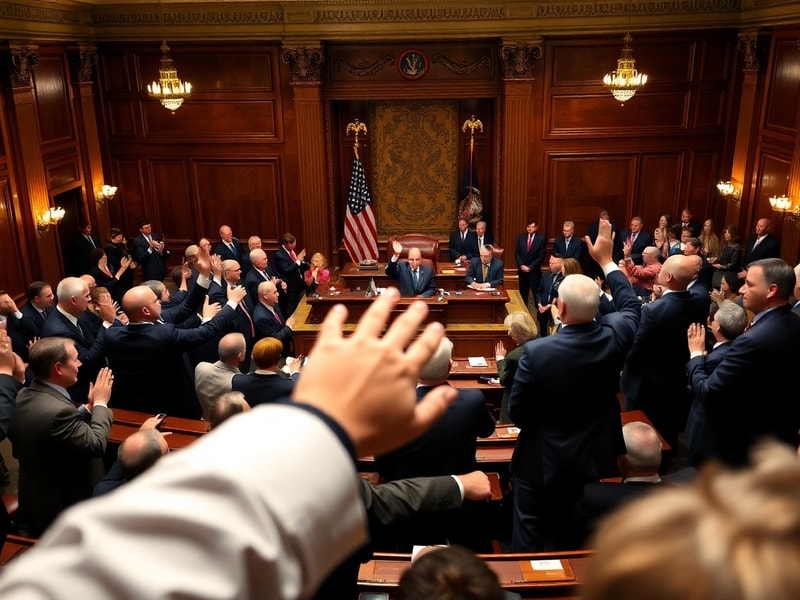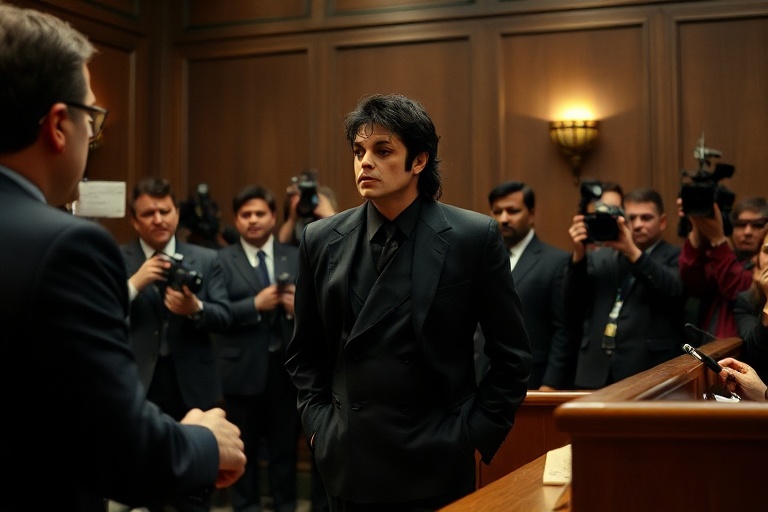
The courtroom was packed on November 13, 2003, as cameras flashed and spectators held their breath. The man at the center of the world’s attention, Michael Jackson, stood before Judge Rodney Melville in Santa Maria, California. The allegations were serious—seven counts of child molestation and two of conspiracy. The trial that followed would become one of the most closely watched in history, not just for the celebrity involved, but for the questions it raised about justice, power, and the limits of fame.
The case began with a 13-year-old boy, Gavin Arvizo, who claimed Jackson had molested him during a stay at Neverland Ranch. The prosecution built its case on the boy’s testimony, medical records, and testimony from other witnesses. The defense, however, argued that the boy’s family was motivated by financial gain and that Jackson was the victim of extortion. The trial lasted nearly two months, with testimony from over 100 witnesses.
The Prosecution’s Case: A Story of Abuse and Secrecy
The prosecution’s narrative centered on the idea that Jackson had systematically groomed and abused young boys. They presented testimony from Gavin Arvizo, who described inappropriate behavior by Jackson, including sharing his bed and giving him alcohol. Medical experts testified that the boy’s injuries were consistent with molestation. The prosecution also called witnesses who claimed Jackson had a pattern of inappropriate behavior with minors.
One of the most damning pieces of evidence was a video deposition from Jackson’s former maid, Blanca Francia, who testified that she had seen Jackson in bed with young boys. Another key witness was the boy’s mother, Janet Arvizo, who described Jackson’s erratic behavior and her son’s emotional distress. The prosecution argued that these accounts painted a clear picture of a man who had exploited his fame to prey on vulnerable children.
However, the prosecution’s case was not without weaknesses. The boy’s family had a history of making false claims for financial gain, and the defense exploited this during cross-examination. The medical evidence was also inconclusive, leaving room for doubt. Despite these challenges, the prosecution believed they had enough to secure a conviction.
The Defense’s Strategy: Exposing Motives and Manipulation
Jackson’s defense team, led by attorney Thomas Mesereau, took a different approach. They focused on discrediting Gavin Arvizo and his family, arguing that they were motivated by money and fame. The defense presented evidence that the Arvizo family had tried to extort Jackson in the past, including a 1993 case where they demanded millions in exchange for dropping allegations of molestation.
The defense also called witnesses who testified to Jackson’s generosity and kindness, including former employees and friends who described him as a gentle, albeit eccentric, individual. They argued that Jackson’s eccentric lifestyle—sleeping in a hyperbaric chamber, sharing his bed with children—was misunderstood and not evidence of criminal behavior. The defense’s star witness was psychiatrist Dr. Jeffrey Ratzenberger, who testified that Jackson suffered from a personality disorder that made him act inappropriately but not criminally.
One of the most pivotal moments in the trial came when the defense played a secretly recorded conversation between Gavin Arvizo and his mother. In the recording, the boy appeared to contradict his earlier testimony, saying he had lied about being molested. This moment shifted public opinion and raised serious questions about the prosecution’s case.
The Verdict: A Nation Divided
On November 13, 2003, after five months of testimony and deliberation, the jury returned a verdict of not guilty on all counts. The courtroom erupted in cheers as Jackson, visibly relieved, hugged his family. Outside, supporters celebrated, while critics expressed outrage. The verdict was a stark reminder of how deeply divided public opinion was on the case.
The jury’s decision was based on reasonable doubt. They questioned the credibility of Gavin Arvizo and his family, as well as the reliability of the medical evidence. The defense’s argument that the Arvizo family was motivated by financial gain resonated with the jury, ultimately leading to Jackson’s acquittal.
The aftermath of the verdict was as contentious as the trial itself. Some saw it as a triumph of justice, arguing that Jackson was innocent until proven guilty. Others believed the legal system had failed the alleged victims, leaving them without closure. The case sparked debates about celebrity culture, the credibility of accusers, and the role of money in legal proceedings.
Legacy: What the Verdict Taught Us
The Michael Jackson trial left a lasting impact on how society views allegations of abuse, especially when celebrities are involved. It highlighted the challenges of prosecuting cases where the accuser’s credibility is in question. The trial also exposed the ways in which fame and wealth can distort legal proceedings, with both sides accused of manipulating the narrative for their own gain.
For Jackson, the verdict was a temporary reprieve. He continued to face scrutiny and legal battles until his death in 2009. In 2019, a documentary titled Leaving Neverland reignited the controversy, with two men alleging they had been molested by Jackson as children. The renewed allegations led to renewed debates about the case and Jackson’s legacy.
The trial also raised important questions about how society handles allegations of abuse. Should the accuser’s credibility be scrutinized more closely in cases involving high-profile individuals? How can the legal system balance the rights of the accused with the need to protect victims? These questions remain relevant today, as new cases continue to test the limits of justice and public perception.
For those interested in exploring similar legal battles involving celebrities, Dave’s Locker’s Entertainment section offers in-depth analysis of high-profile cases. Additionally, the Culture category provides broader context on how media and public opinion shape legal outcomes.
Key Takeaways from the Michael Jackson Verdict
- Credibility matters: The defense successfully cast doubt on Gavin Arvizo’s testimony by highlighting inconsistencies and the family’s history of financial motives.
- Reasonable doubt is powerful: The jury’s decision hinged on their inability to convict beyond reasonable doubt, despite the seriousness of the allegations.
- Celebrity complicates justice: Fame and wealth can distort legal proceedings, making it harder to separate truth from manipulation.
- Public opinion is divided: The verdict left a nation split, with some seeing it as justice served and others as a failure of the legal system.
The Michael Jackson verdict was more than just a legal decision—it was a cultural moment that forced society to confront uncomfortable questions about power, truth, and justice. While the trial provided closure for Jackson, it left lasting scars on those who believed they would never see accountability. The case remains a cautionary tale about the intersection of fame, money, and the law.