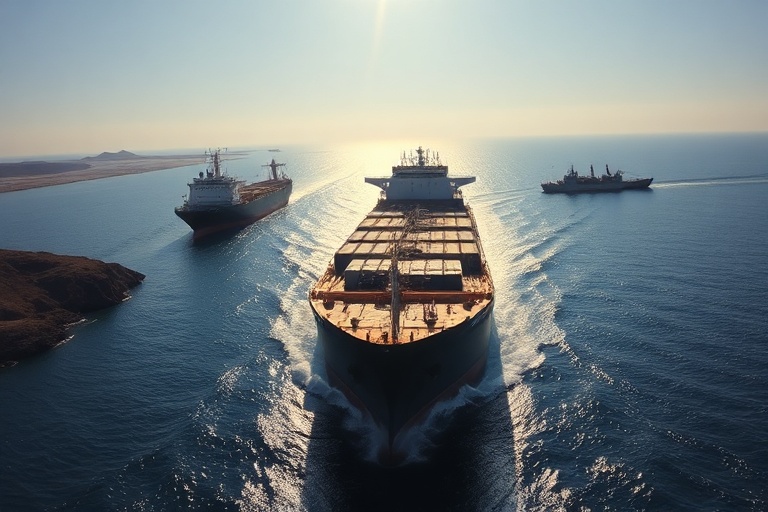
Strait of Hormuz: Why Oil Tankers Risk the World’s Most Dangerous Shipping Route
“`html
The Strait of Hormuz: A Global Chokepoint in Oil Shipping
The Strait of Hormuz, a narrow waterway between Iran and Oman, remains one of the world’s most critical maritime chokepoints. Every day, millions of barrels of oil pass through this 21-mile-wide passage, connecting the Persian Gulf to the Gulf of Oman and, ultimately, global markets. Its strategic importance cannot be overstated, as disruptions here send shockwaves through energy markets, supply chains, and geopolitical stability.
Oil tankers navigating these waters face a unique set of challenges—environmental risks, geopolitical tensions, and logistical hurdles. Understanding the dynamics of this region is essential for grasping how global energy security is maintained (or threatened). The Strait of Hormuz isn’t just a shipping route; it’s a barometer for international relations and economic stability.
The Historical and Geopolitical Significance of the Strait
The Strait of Hormuz has been a focal point of global trade for centuries, but its modern relevance stems from the discovery of vast oil reserves in the Persian Gulf. Since the mid-20th century, the strait has become the primary export route for crude oil from Saudi Arabia, Iraq, the UAE, Kuwait, and Iran. Nearly 20% of the world’s oil supply passes through its waters, making it indispensable to the global economy.
Geopolitical tensions have repeatedly threatened this vital corridor. The Iran-Iraq War in the 1980s saw attacks on tankers in the region, while the 2019 drone strikes on Saudi oil facilities underscored the vulnerability of Gulf energy infrastructure. The United States and its allies have deployed naval forces to patrol the strait, ensuring safe passage for commercial shipping. Meanwhile, Iran has conducted military exercises and threatened to block the strait in response to sanctions and perceived provocations.
These tensions create a delicate balance. Any escalation—whether through military action, sabotage, or political maneuvering—can disrupt oil flows, trigger price spikes, and destabilize markets. The Strait of Hormuz is not just a geographic feature; it’s a geopolitical pressure point where energy security and national interests collide.
How Oil Tankers Navigate the Strait’s Risks
For oil tankers, transiting the Strait of Hormuz requires meticulous planning and risk assessment. The narrow channel, often congested with commercial and military vessels, demands precise navigation. Tankers must also account for potential threats, including piracy, mines, and sudden military conflicts. Many shipping companies opt for the services of armed guards or military escorts to mitigate these risks.
The journey through the strait typically follows a well-established route:
- Entry Point: Tankers approach from the Persian Gulf, often passing near the Iranian port of Bandar Abbas.
- Narrowest Section: The strait narrows to just 2 miles at its narrowest point, requiring careful coordination with traffic control.
- Exit Point: After passing through Omani waters, tankers enter the Gulf of Oman, where they can proceed to global destinations like Asia, Europe, or the Americas.
However, the risks extend beyond navigation. Environmental concerns loom large, as oil spills or collisions could have catastrophic consequences for marine ecosystems and coastal communities. The region’s shallow waters and strong currents exacerbate these dangers, making every transit a high-stakes operation.
To address these challenges, international organizations like the International Maritime Organization (IMO) have established guidelines for safe passage. Yet, compliance varies, and the ever-present threat of conflict means that no tanker voyage is truly routine.
The Economic Impact of Disruptions in the Strait
When tensions rise in the Strait of Hormuz, the economic ripple effects are immediate and far-reaching. Oil prices often surge in response to perceived threats, as seen during the 2019 attacks on Saudi oil facilities, which temporarily halted 5% of global oil production. Even the suggestion of a blockade can trigger market volatility, as buyers and sellers scramble to secure alternative supplies.
The global economy is deeply interconnected with Gulf oil. Countries in Asia, particularly China, India, and Japan, rely heavily on Middle Eastern crude. Europe also depends on Gulf oil, though its imports have diversified in recent years. Any prolonged disruption in the Strait of Hormuz would force these nations to seek costly alternatives, straining budgets and supply chains.
Moreover, the insurance costs for tankers transiting the region have skyrocketed. Premiums reflect the heightened risk of war, piracy, or environmental damage. Some insurers have even excluded coverage for voyages through the strait, leaving shipowners to absorb the financial burden or seek alternative routes.
In response, some countries have explored bypassing the Strait of Hormuz entirely. The UAE, for example, has invested in the Fujairah Oil Pipeline, which transports crude directly to the Gulf of Oman, bypassing the strait altogether. Such alternatives offer a glimpse into how the global energy landscape might evolve in response to persistent instability.
The Future of the Strait: Challenges and Alternatives
The Strait of Hormuz faces an uncertain future. Geopolitical rivalries show no signs of easing, and climate change threatens to exacerbate environmental risks. Meanwhile, the global shift toward renewable energy could reduce dependence on Gulf oil—but not in the near term. For now, the strait remains the backbone of the world’s oil supply.
Several scenarios could reshape the region’s dynamics:
- Military Escalation: A direct conflict between Iran and Western powers could lead to a prolonged blockade, disrupting global oil markets.
- Diplomatic Breakthroughs: A de-escalation of tensions could ease restrictions on shipping, restoring stability to the region.
- Technological Advancements: Innovations in shipping, such as autonomous tankers or alternative fuels, could reduce reliance on the strait.
- Energy Transition: As renewable energy gains traction, the demand for Gulf oil may decline, reducing the strait’s strategic importance.
For now, the Strait of Hormuz remains a linchpin of global energy security. Its future hinges on the delicate interplay between geopolitics, economics, and environmental stewardship. As long as oil remains a cornerstone of the global economy, the strait will continue to command the world’s attention.
A Final Perspective: Why the Strait Matters
The Strait of Hormuz is more than a shipping route; it’s a symbol of the world’s interconnected energy systems. Its stability—or lack thereof—sends ripples across economies, politics, and societies. For policymakers, shipping magnates, and everyday consumers, the strait’s fate is a reminder of how deeply global energy security is intertwined with human activity.
As the world grapples with climate change and geopolitical tensions, the Strait of Hormuz will remain a critical flashpoint. Whether through diplomacy, innovation, or conflict, its role in shaping the future of energy cannot be ignored.