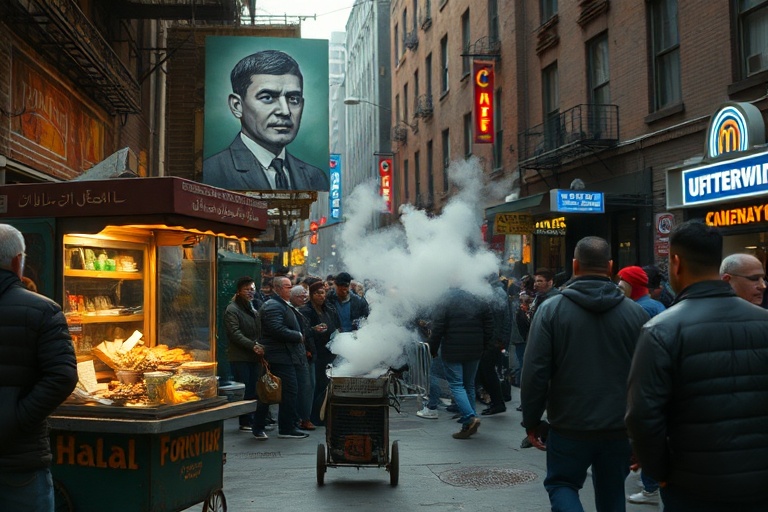
the boroughs
“`html
The Boroughs: New York City’s Distinctive Neighborhoods and Their Enduring Influence
The five boroughs of New York City—Manhattan, Brooklyn, Queens, the Bronx, and Staten Island—each possess a unique identity shaped by history, culture, and demographics. While Manhattan often dominates global perceptions of the city, the other four boroughs contribute equally to New York’s dynamism. Their neighborhoods serve as microcosms of urban evolution, offering insights into the broader forces shaping metropolitan life.
The Historical Roots of Borough Diversity
New York’s boroughs were consolidated in 1898, but their origins trace back to Dutch and English colonial settlements. Brooklyn, originally an independent city, retains traces of its maritime past in neighborhoods like Red Hook. Queens, the most ethnically diverse urban area in the world, evolved from a collection of farming villages into a global hub. The Bronx, named after Jonas Bronck, was once a rural escape for Manhattan’s elite before industrialization transformed it. Staten Island, the least densely populated, still reflects its 17th-century Dutch agricultural heritage.
These historical layers create distinct cultural landscapes. For example, Flushing in Queens remains a center for Chinese immigration, while the Bronx’s Arthur Avenue is celebrated as the “real Little Italy.” Such contrasts highlight how geography and policy shape identity. The 1960s and 70s saw economic decline in the Bronx and parts of Brooklyn, but resilience and reinvention have since redefined these areas.
Economic and Social Shifts Reshaping the Boroughs
Over the past three decades, Brooklyn has emerged as a tech and creative industry powerhouse, while Queens has become a global gateway due to its airports and diverse workforce. The Bronx, once synonymous with urban decay, now hosts a growing arts scene and affordable housing initiatives. Staten Island, often overlooked, offers a suburban contrast within the city limits.
These changes reflect broader trends. Gentrification in Brooklyn and parts of Queens has displaced long-term residents, raising concerns about affordability and displacement. Meanwhile, the Bronx’s revival has brought investment but also new challenges in preserving cultural heritage. According to the Culture section of Dave’s Locker, these shifts mirror national conversations about urban identity and economic equity.
The COVID-19 pandemic further exposed vulnerabilities. Essential workers in the Bronx and Queens faced disproportionate risks, while remote work accelerated migration to Staten Island and outer neighborhoods. These trends suggest that the boroughs’ futures will be defined by balancing growth with inclusivity.
Cultural Contributions Beyond Manhattan
While Manhattan’s Broadway and museums draw international acclaim, the boroughs contribute uniquely to New York’s cultural fabric. The Bronx gave birth to hip-hop, a global movement that began in the 1970s block parties of the South Bronx. Brooklyn’s indie music scene, from Williamsburg to Bed-Stuy, has launched careers and defined genres. Queens’ global cuisine—from Jackson Heights’ South Asian eateries to Astoria’s Greek diners—reflects its status as the world’s most diverse county.
Public art also thrives outside Manhattan. The Bronx’s Wall of Respect, an early mural movement, inspired street art nationwide. Brooklyn’s DUMBO district blends historic warehouses with contemporary galleries. These cultural exports demonstrate how local creativity fuels broader trends.
Key Takeaways on Borough Identity
- Historical Legacy: Each borough’s past shapes its present, from Dutch settlements to post-war decline.
- Economic Evolution: Tech, immigration, and policy shifts drive change, often unevenly.
- Cultural Influence: Hip-hop, food, and art originate in the boroughs, not Manhattan.
- Resilience: Communities adapt to crises, from fiscal collapse to pandemics.
The Future of the Boroughs in a Changing City
Looking ahead, the boroughs face critical questions. How can growth be inclusive? Can cultural authenticity survive commercialization? Staten Island’s resistance to rezoning or the Bronx’s fight to preserve rent-stabilized housing offer clues. Meanwhile, Queens’ diversity positions it as a model for multicultural urbanism.
New York’s strength lies in its boroughs’ contrasts—a tapestry woven from struggle, innovation, and tradition. As the city evolves, its neighborhoods will continue to redefine what urban life can be. For deeper analysis on cultural shifts in these areas, explore Dave’s Locker’s News and Analysis sections.
The boroughs are not just New York’s backstage; they are the main stage. Their stories challenge the idea that a single district can capture a city’s essence. Instead, they prove that complexity and contradiction are what make New York—and by extension, all great cities—enduringly vital.
—
METADATA—
{
“title”: “Why NYC’s Boroughs Matter More Than Manhattan Ever Did”,
“metaDescription”: “Explore how Brooklyn, Queens, the Bronx, and Staten Island shape NYC’s identity beyond Manhattan’s shadow.”,
“categories”: [“Culture”, “News”],
“tags”: [“New York City boroughs”, “urban culture”, “gentrification”, “hip-hop history”, “Queens diversity”],
“imageDescription”: “A vibrant aerial view of the NYC skyline with the five boroughs labeled, highlighting distinct neighborhoods like Brooklyn Heights, Astoria, and the South Bronx. The scene captures diversity with street art, food markets, and housing contrasts in soft morning light.”
}
—END METADATA—
“`