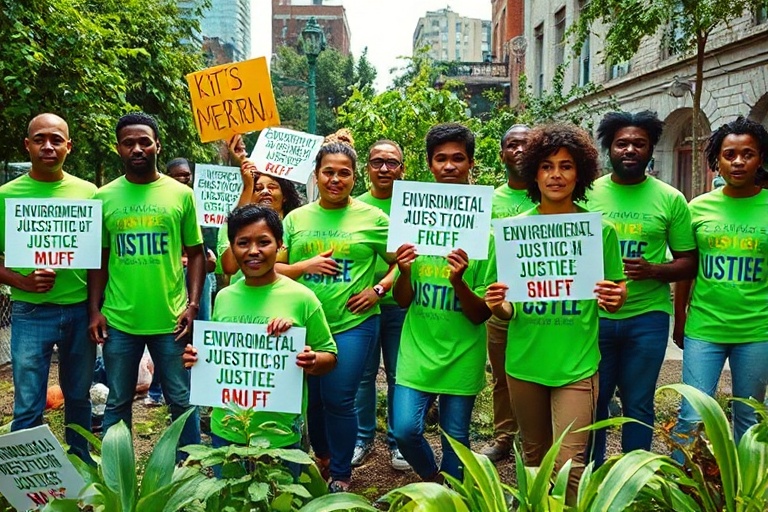
the green party
“`html
The Green Party: A Global Movement for Ecological and Social Change
The Green Party emerged in the late 20th century as a political force dedicated to environmental sustainability, social justice, and nonviolence. Unlike traditional parties focused on economic growth, Green Parties prioritize ecological balance and grassroots democracy. Their rise reflects growing public concern over climate change, inequality, and corporate power. Today, Green Parties operate in over 90 countries, shaping policies from local councils to national parliaments and the European Union.
Founded in 1972 in New Zealand, the Values Party became the world’s first national Green Party. By the 1980s, similar movements formed in Europe, where environmental activism intersected with anti-nuclear and peace movements. Germany’s Alliance 90/The Greens, established in 1980, became a trailblazer, entering the Bundestag in 1983. Their success inspired others, proving that environmental politics could translate into electoral power.
The Green Party’s philosophy is rooted in four pillars: ecological wisdom, social justice, grassroots democracy, and nonviolence. These principles guide policies on climate action, workers’ rights, and systemic reform. Globally, Green Parties advocate for renewable energy transitions, wealth redistribution, and participatory governance. Their agenda resonates particularly with younger voters and urban populations, who increasingly demand accountability from governments and corporations.
The Global Green Tide: Where Are They Strongest?
Green Parties have achieved varying degrees of influence across continents. In Europe, they are a political fixture, with parties like Germany’s Greens and France’s Europe Ecology – The Greens holding seats in the European Parliament. Belgium’s Ecolo party and Finland’s Green League have also shaped national policies on climate and social welfare.
In the Americas, the Green Party in the United States operates independently but aligns with global Green movements. Meanwhile, Canada’s Green Party has gained traction, particularly in British Columbia, where it has influenced environmental legislation. Latin America’s Green Parties, though smaller, are growing in countries like Brazil and Argentina, where environmental degradation and inequality drive support.
Across Asia, Green Parties face greater challenges due to political restrictions, but pockets of activism exist. In India, the Aam Aadmi Party (AAP) incorporates green policies, while Japan’s Greens have pushed for nuclear phase-outs. Even in Africa, where environmental issues are critical, nascent Green movements are emerging in nations like Kenya and South Africa.
One notable example is the European Green Deal, championed by the Greens in the European Union. This initiative aims to make Europe the first climate-neutral continent by 2050, setting a global benchmark for environmental policy. Such achievements demonstrate the Green Party’s ability to influence mainstream politics.
Challenges and Criticisms: Can the Greens Deliver Real Change?
Despite their progress, Green Parties face significant hurdles. Electoral systems often favor established parties, making it difficult for Greens to secure parliamentary majorities. In many countries, they are confined to coalition governments or opposition roles, limiting their ability to implement sweeping reforms.
Critics argue that Green Parties lack cohesion. Divisions arise over strategies—some prioritize direct action and protest, while others seek incremental change through policy. Others question whether their idealism can survive in a world dominated by economic interests. In the United States, for example, the Green Party has struggled to gain traction against the two-party system.
Financial constraints also pose challenges. Green Parties often rely on small donations and volunteer labor, putting them at a disadvantage against well-funded opponents. However, crowdfunding and digital organizing have helped level the playing field in some cases.
Another criticism is the perception that Green Parties are elitist. While they advocate for social justice, some policies—like carbon taxes—can disproportionately affect low-income households. Balancing environmental goals with economic equity remains a contentious issue.
Despite these challenges, Green Parties have scored notable victories. In 2020, New Zealand’s Green Party helped pass the Zero Carbon Act, enshrining climate targets into law. In Germany, Greens have pushed for coal phase-outs and stricter emissions standards. These successes prove that persistence pays off.
The Future of the Green Movement: What’s Next?
The Green Party’s future depends on its ability to adapt and expand. As climate disasters intensify, public demand for action will likely grow. Younger generations, in particular, are driving this shift, with movements like Fridays for Future amplifying calls for systemic change.
Technology will play a key role in the Green Party’s evolution. Digital tools enable grassroots organizing and rapid mobilization. Social media helps bypass traditional media gatekeepers, allowing Greens to connect directly with voters. However, misinformation and polarization remain obstacles.
Internationally, cooperation between Green Parties is increasing. The Global Greens Network coordinates efforts across borders, advocating for climate justice and human rights. This solidarity strengthens their collective voice on the world stage.
In the coming years, Green Parties will likely focus on three key areas:
- Climate Policy: Expanding renewable energy investments and phasing out fossil fuels.
- Social Equity: Addressing systemic inequalities through progressive taxation and public services.
- Democratic Reform: Strengthening participatory democracy and combating corporate influence in politics.
Success in these areas could redefine global politics, shifting priorities from growth to sustainability. The Greens’ ability to turn ideas into action will determine whether they remain a fringe movement or become a dominant force.
For now, the Green Party stands as a vital counterbalance to conventional politics. In an era of ecological crisis and social upheaval, their message offers a path forward—one that values people and the planet over profit. Whether they can translate that message into lasting change remains to be seen, but their influence is undeniable.
Where to Learn More
If you’re interested in exploring environmental activism further, consider visiting our Science section for in-depth analysis on climate solutions. For a broader look at political movements, check out our Politics category, where we dissect global trends and policy shifts.
The Green Party’s journey is far from over. As the world grapples with existential threats, their vision of a sustainable future grows more relevant every day. Whether they succeed may well determine the fate of generations to come.
—
METADATA
{
“title”: “Green Parties Around the World: A Global Movement for Change”,
“metaDescription”: “Explore the rise of Green Parties worldwide, their impact on climate policy, and challenges they face in achieving ecological and social justice.”,
“categories”: [“Politics”, “Analysis”],
“tags”: [“Green Party”, “climate change”, “environmental policy”, “political movements”, “sustainability”],
“imageDescription”: “A diverse group of activists holding signs at a climate protest, with green banners and a city skyline in the background. The mood is hopeful and determined, capturing the urgency of environmental action.”
}
—END METADATA—
“`