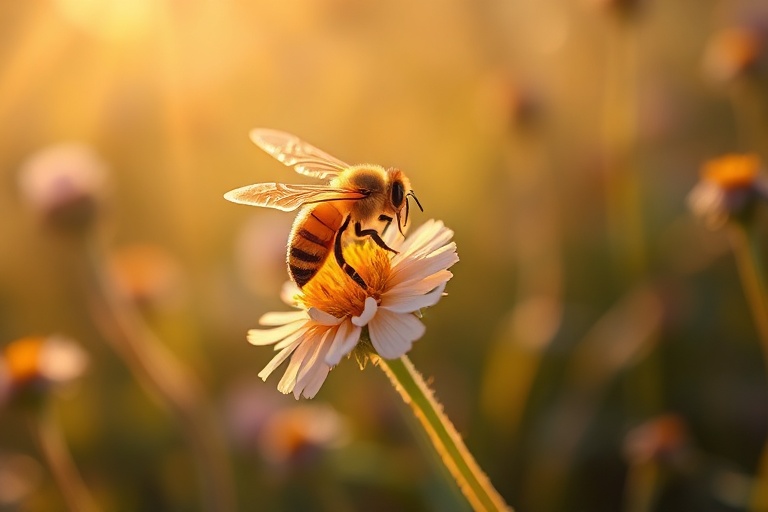
Every May 20th, the world pauses to recognize an often-overlooked force of nature: bees. World Bee Day isn’t just another observance on the calendar—it’s a critical reminder of how these small insects underpin global food systems, biodiversity, and even economic stability. While honeybees dominate public imagination, over 20,000 known bee species worldwide play unique roles in ecosystems, from crop pollination to maintaining plant genetic diversity. The decline in bee populations over recent decades has shifted from an environmental concern to an urgent crisis with far-reaching consequences.
The United Nations designated World Bee Day in 2017, aligning with the birthday of Anton Janša, a pioneer of modern beekeeping in the 18th century. The observance serves dual purposes: celebrating bees’ contributions to human survival and mobilizing action against threats they face, including habitat loss, pesticide exposure, and climate change. Without targeted intervention, scientists warn that the collapse of bee populations could trigger cascading effects across agriculture, leading to reduced yields of fruits, vegetables, and nuts—foods that provide essential nutrients for human diets. The stakes are high, and World Bee Day offers a yearly opportunity to reassess our relationship with these indispensable pollinators.
The Science Behind Bee Decline: What Research Reveals
Researchers have identified multiple stressors contributing to bee population declines, with some species experiencing alarming local extinctions. A 2023 study published in Nature Communications found that wild bee populations in Europe and North America have declined by 25% since the 1990s, with agricultural intensification and urban sprawl cited as primary drivers. Neonics, a class of systemic pesticides, have been particularly damaging. These chemicals impair bees’ navigation abilities and weaken their immune systems, making them more susceptible to parasites like the Varroa destructor mite.
Climate change adds another layer of complexity. Warmer temperatures disrupt the synchronized timing between bees’ foraging cycles and plant flowering periods. A 2022 report from the Intergovernmental Science-Policy Platform on Biodiversity and Ecosystem Services (IPBES) highlighted how shifting seasons force bees to travel longer distances in search of food, increasing energy expenditure and mortality rates. Urbanization compounds these challenges by fragmenting natural habitats into isolated patches that bees struggle to navigate.
Not all bee species face the same threats. While managed honeybee colonies have shown some resilience due to beekeeper interventions, wild bees—including solitary species and bumblebees—lack such protections. The Rusty Patched Bumble Bee, once common in the eastern United States, was listed as endangered in 2017 after its population plummeted by 87% over two decades. Conservationists emphasize that protecting wild bees requires preserving undisturbed nesting sites and diversifying floral resources in both rural and urban landscapes.
Key Threats to Bee Populations
- Habitat loss: Conversion of natural landscapes to monoculture farms or concrete jungles eliminates diverse food sources.
- Pesticide exposure: Neonicotinoids and other agrochemicals impair bee reproduction and navigation.
- Pathogens and parasites: Varroa mites and fungal infections spread rapidly through commercial beekeeping operations.
- Climate change: Altered flowering seasons and extreme weather events disrupt bee life cycles.
- Invasive species: Non-native plants outcompete native flora that bees have evolved to pollinate.
How Bees Power Global Food Systems
Bees are the invisible workforce behind one-third of the world’s food production. Their pollination services contribute an estimated $235 billion to $577 billion annually to global agriculture, according to a 2016 IPBES assessment. Crops like almonds, blueberries, and squash rely almost entirely on bee pollination, while others such as coffee and cocoa benefit from enhanced yields and quality. In the United States alone, honeybees pollinate $15 billion worth of crops each year, supporting industries from fruit orchards to seed production.
However, the dependence on bees varies dramatically by region and crop. In China’s Sichuan province, where wild bee populations have collapsed, farmers now pollinate apple blossoms by hand using tiny brushes—a labor-intensive solution that highlights the fragility of relying solely on human intervention. Meanwhile, in California’s Central Valley, almond growers transport over 1.5 million bee colonies each February to meet pollination demands, a practice that stresses bees and spreads diseases across colonies.
Small-scale farmers often benefit most from local bee populations. A 2021 study in Agricultural Systems found that farms within one kilometer of natural habitats experienced 24% higher pollination rates than isolated plots. This underscores the importance of agroecological practices, such as planting cover crops and maintaining hedgerows, which provide bees with continuous food sources throughout the growing season. Initiatives like the Xerces Society’s Bee Better Certified program help farmers adopt pollinator-friendly practices while connecting them with markets willing to pay premiums for sustainably produced goods.
What You Can Do: Small Actions with Big Impact
Individuals may feel powerless against global threats like climate change, but when it comes to supporting bees, small actions can yield significant results. One of the most effective steps is planting native, pollinator-friendly flora. Bees require diverse diets, particularly early in the season when few flowers bloom. Native plants like purple coneflower, goldenrod, and milkweed provide essential nectar and pollen while supporting other beneficial insects. Avoid hybridized flowers bred for showy petals but lacking nutritional value for bees.
Reducing pesticide use—even in home gardens—is equally critical. Many lawn and garden chemicals contain neonicotinoids or other systemic pesticides that persist in soil and water. Opt for organic fertilizers and manual pest control methods instead. If you must treat plants, apply pesticides in the early morning or late evening when bees are less active, and always follow label instructions. Even seemingly benign practices like mulching can impact bees; leaving patches of bare soil can provide nesting sites for ground-nesting species like mining bees.
Beyond gardening, supporting local beekeepers and sustainable agriculture sends market signals that prioritize pollinator health. Look for honey labeled “raw” or “unpasteurized,” as processing often removes beneficial enzymes and pollen. Consider leaving a section of your yard wild or installing a solitary bee house to provide nesting habitats. Citizen science projects, such as the Great Sunflower Project, invite volunteers to track bee sightings and contribute data to conservation efforts.
Steps to Support Bees in Your Community
- Plant a diverse mix of native flowers that bloom from early spring through fall.
- Install a bee hotel or leave undisturbed soil patches for ground-nesting species.
- Reduce or eliminate pesticide and herbicide use in gardens and lawns.
- Support local beekeepers by purchasing raw honey and beeswax products.
- Advocate for pollinator-friendly policies in schools, parks, and urban planning.
- Participate in community science projects to monitor local bee populations.
Looking Ahead: Policy and Innovation in Bee Conservation
Governments and organizations are increasingly recognizing the need for coordinated action to protect bees. The European Union’s 2018 ban on three major neonicotinoids marked a significant step, though enforcement remains inconsistent. In the United States, the Save America’s Pollinators Act, reintroduced in 2023, seeks to suspend the use of harmful pesticides until their effects on pollinators are fully assessed. Meanwhile, cities like London and Minneapolis have launched “bee highways”—corridors of wildflower strips and green roofs—to connect fragmented habitats.
Technological innovations are also emerging to fill gaps in conservation efforts. Researchers at Harvard’s Wyss Institute developed a robotic bee named RoboBee, designed to artificially pollinate crops in cases of extreme population decline. While not a substitute for natural pollination, such technologies highlight the urgency of the problem. More promising are low-tech solutions like the “Bee Alarm” app, which alerts users when pesticide spraying occurs near their area, allowing them to protect nearby bee colonies.
Education plays a pivotal role in long-term conservation. School programs that incorporate pollinator gardens teach children about ecological interdependence while providing hands-on learning opportunities. Organizations like the North American Pollinator Protection Campaign (NAPPC) bring together scientists, farmers, and policymakers to develop comprehensive strategies. Their work emphasizes that bee conservation isn’t just an environmental issue—it’s a societal one that requires collaboration across sectors.
Conclusion: A Stitch in Time Saves Nine
World Bee Day serves as both a celebration and a call to action. The tiny, striped workers in our gardens and fields are keystone species whose survival is intertwined with our own. Their decline isn’t just an ecological tragedy; it’s a threat to food security, rural livelihoods, and cultural traditions tied to agriculture. The solutions, however, are within reach. From policy changes to personal gardening choices, each action contributes to a larger movement to safeguard these vital pollinators.
As we mark World Bee Day this year, let’s remember that bees don’t just produce honey—they sustain ecosystems, support economies, and nourish humanity. The time to act is now, before the buzz of bees fades into silence. Whether you plant a single native flower or advocate for local pollinator protection, your efforts matter. The future of bees—and by extension, our own—depends on the choices we make today.