Christian Horner: Red Bull Racing’s Transformative Leader in F1
“`html
Christian Horner: The Red Bull Racing Leader Shaping Formula 1
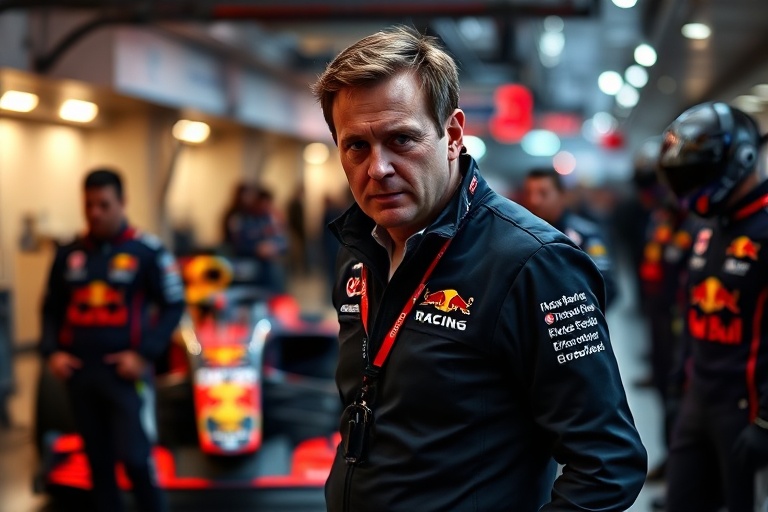
Christian Horner has become one of the most recognizable figures in Formula 1, not just as a team principal but as a leader who has redefined success in motorsport. Since taking the helm at Red Bull Racing in 2005, Horner has transformed the team from an underdog into a dominant force, securing multiple World Championships for both drivers and constructors. His journey—marked by strategic brilliance, relentless ambition, and an ability to foster team unity—offers a compelling case study in leadership under pressure.
The Early Years: From Racer to Team Builder
Born in Leamington Spa, England, in 1973, Horner’s passion for racing began early. By the age of 17, he was competing in the British Formula Ford series, though his racing career never reached the pinnacle of F1. Instead, he pivoted to team management, founding the Arden Motorsport team in 1997. Arden quickly became a powerhouse in junior formulas, nurturing talents like Heikki Kovalainen and Sebastian Vettel. This early success caught the attention of Red Bull, which acquired the Jaguar Racing team in 2004 and appointed Horner as team principal the following year.
Horner’s arrival at Red Bull Racing coincided with a period of instability. The team had struggled to find its footing since its rebranding from Jaguar in 2002. Yet, within a few years, Horner’s leadership began to bear fruit. The 2010 season marked a turning point, as Red Bull Racing claimed its first Constructors’ Championship, with Sebastian Vettel securing the first of his four consecutive Drivers’ titles. This victory was not just a win for the team but a testament to Horner’s ability to build a cohesive, high-performance organization.
Leadership Style: The Architect of Red Bull’s Dominance
Horner’s leadership style is often described as hands-on yet empowering. Unlike some team principals who remain aloof, Horner is deeply involved in every aspect of the team’s operations, from technical decisions to driver management. His ability to balance assertiveness with approachability has fostered a culture of trust and collaboration within Red Bull Racing. Engineers, mechanics, and drivers alike often cite Horner’s accessibility as a key factor in the team’s success.
One of Horner’s most notable strengths is his man-management. He has navigated complex relationships with some of the sport’s biggest personalities, including Mark Webber, Daniel Ricciardo, and Max Verstappen. His approach often involves giving drivers the freedom to express themselves while ensuring they align with the team’s goals. For example, his decision to side with Verstappen over teammate Webber in the infamous 2013 Malaysian Grand Prix highlighted his willingness to make tough calls when necessary.
Horner’s strategic acumen is another pillar of his success. He has overseen Red Bull’s transition from a team reliant on Renault engines to one that now builds its own power units in partnership with Honda. This shift required not only technical foresight but also the ability to manage supplier relationships and internal politics. The results speak for themselves: Red Bull Racing has won six Constructors’ Championships and five Drivers’ titles under Horner’s leadership.
Key Traits of Horner’s Leadership
- Adaptability: Horner has steered Red Bull Racing through multiple engine partnerships and regulatory changes, adjusting strategies to stay competitive.
- Driver Development: He has played a pivotal role in the careers of drivers like Vettel and Verstappen, helping them reach their full potential.
- Crisis Management: From the 2021 controversy involving Verstappen and Hamilton at Silverstone to the recent Honda engine transition, Horner has maintained composure under pressure.
- Innovation: Horner has embraced data-driven decision-making and invested in cutting-edge technology to keep Red Bull at the forefront of F1.
The Verstappen Factor: A Partnership Built on Trust
No discussion of Horner’s legacy would be complete without addressing his relationship with Max Verstappen. The Dutch driver joined Red Bull Racing in 2016 and quickly became the team’s focal point. Horner’s decision to promote Verstappen to the senior team mid-season, replacing Daniil Kvyat, was a gamble that paid off spectacularly. Since then, Verstappen has become one of the most dominant drivers in F1 history, breaking records and securing multiple titles.
Horner’s role in Verstappen’s development cannot be overstated. He has provided the Dutch driver with the freedom to race aggressively while ensuring he adheres to the team’s broader objectives. This balance has allowed Verstappen to flourish, even in moments of controversy, such as his clash with Lewis Hamilton at the 2021 British Grand Prix. Horner’s public support for Verstappen, even in the face of criticism, has solidified their partnership as one of the most successful in F1 history.
Yet, their relationship has not been without challenges. The 2022 season, which saw Verstappen secure his third World Championship, was marred by internal tensions, including Verstappen’s public frustration with team orders. Horner’s response—emphasizing the importance of teamwork while acknowledging Verstappen’s individual brilliance—demonstrated his ability to manage complex personalities in high-stakes environments.
The Future of Red Bull Racing: Challenges and Ambitions
As Red Bull Racing enters a new era with its own power unit and a fresh driver lineup following Daniel Ricciardo’s departure, Horner faces fresh challenges. The team’s ability to maintain its competitive edge in a rapidly evolving sport will depend on several factors, including its engine performance, aerodynamic innovations, and driver dynamics.
One of the most pressing questions is how Horner will manage the relationship between Verstappen and his new teammate, Sergio Pérez. While Pérez has been a loyal and effective partner, the team’s hierarchy has shifted, and Horner will need to ensure that both drivers feel valued and motivated. His track record suggests he is up to the task, but the pressures of F1 leave little room for error.
Looking ahead, Horner has hinted at his long-term commitment to Red Bull Racing. His recent contract extension underscores the team’s confidence in his leadership. With a new generation of talent emerging in F1, including drivers like Liam Lawson and Zane Maloney, Horner’s ability to nurture young stars will be crucial. His track record in driver development—from Vettel to Verstappen—positions him well to shape the future of the sport.
Beyond the racetrack, Horner has also become a prominent figure in F1’s broader ecosystem. His appearances in media, podcasts, and even reality TV (such as The Grand Tour) have expanded his influence beyond motorsport. Whether he is advocating for sustainability in F1 or engaging with fans, Horner has leveraged his platform to promote the sport he loves.
Red Bull Racing’s Legacy Under Horner
- 2010: First Constructors’ Championship and Sebastian Vettel’s first Drivers’ title.
- 2011-2013: Red Bull Racing’s first era of dominance, with Vettel securing three consecutive titles.
- 2021: Max Verstappen’s first World Championship, ending Mercedes’ streak.
- 2022-2023: Verstappen’s back-to-back titles and Red Bull’s return to the top of the Constructors’ standings.
- 2024: The team’s transition to its own power unit and a new chapter in F1 history.
Conclusion: A Legacy in the Making
Christian Horner’s career is a testament to the power of leadership in sports. Over nearly two decades, he has transformed Red Bull Racing from a struggling outfit into a global powerhouse, all while navigating the complexities of Formula 1. His ability to adapt, innovate, and inspire has set a new standard for team principals in the sport.
As Red Bull Racing looks to the future, Horner’s influence will remain central to its ambitions. Whether it’s managing a new generation of drivers, refining the team’s technical approach, or shaping the culture of the organization, his vision will continue to define the team’s path. For fans of motorsport, Horner’s story is far from over—it’s a narrative of ambition, resilience, and the relentless pursuit of excellence.
For those interested in exploring more about the leaders shaping motorsport, visit our Sports category for additional insights. To dive deeper into the technical innovations driving F1, check out our Technology section.