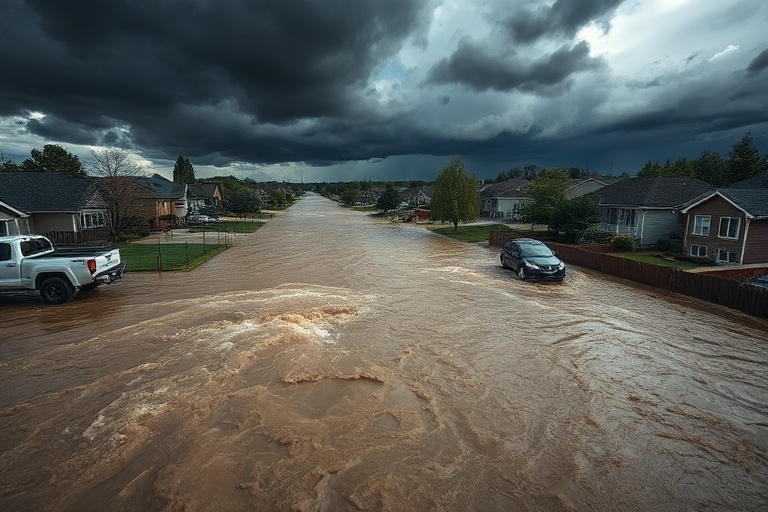
Flood Watch Guide: Risks, Home Prep & Safety Steps Explained
“`html
Flood Watch: Understanding Risks, Preparing Homes, and Staying Safe
Flooding ranks among the most frequent and costly natural disasters in the United States, affecting millions of people each year. While some floods develop slowly over days or weeks, others can rise within minutes after heavy rainfall. Understanding the distinctions between flood watches, warnings, and advisories is essential for protecting lives and property. This guide breaks down the types of flooding, how to prepare your home, and what to do when a flood watch is issued.
What Is a Flood Watch?
A flood watch is issued by the National Weather Service (NWS) when conditions are favorable for flooding to occur in a specific area. It does not mean flooding is happening or will happen—it signals that residents should be prepared to take action. These watches typically cover large geographic regions and can last from several hours to multiple days, depending on weather patterns.
Flood watches are often expanded or upgraded to warnings if conditions worsen. For example, during a slow-moving thunderstorm system, the NWS may issue a flood watch for counties in the storm’s path. Residents in those areas should monitor local weather updates and prepare emergency supplies.
It’s important to distinguish a flood watch from a flood warning, which means flooding is imminent or already occurring. While a watch is a heads-up to stay alert, a warning demands immediate action.
The Science Behind Flood Watches
Flood watches are based on complex meteorological models that analyze soil moisture, river levels, precipitation forecasts, and terrain. Heavy rainfall is the most common trigger, but snowmelt, dam failures, and coastal storm surges can also prompt watches. Urban areas with extensive pavement are particularly vulnerable because water cannot absorb into the ground.
Climate change has intensified the frequency of extreme rainfall events. According to the U.S. Environmental Protection Agency, the heaviest downpours have increased by 30% since the 1950s. This trend has led to more frequent flood watches in regions previously considered low-risk, including parts of the Midwest and Northeast.
Preparing Your Home Before a Flood Watch Is Issued
Preparation is the most effective way to reduce flood damage. Even if your area rarely floods, taking precautions can save thousands in repairs and protect irreplaceable items. Begin by evaluating your home’s flood risk using tools from the Federal Emergency Management Agency (FEMA). High-risk flood zones are shown on Flood Insurance Rate Maps (FIRMs), available through local government websites.
Once you understand your risk level, implement these steps:
- Elevate critical systems: Move heating systems, electrical panels, and appliances to upper floors or attics if possible. In basements, raise items on pallets or shelving above expected water levels.
- Install flood barriers: Temporary barriers like sandbags or permanent solutions such as flood vents can help divert water away from your foundation. Consider installing a sump pump with a battery backup in flood-prone basements.
- Waterproof your home: Seal basement walls with waterproof coatings and install check valves to prevent sewage backup during flooding.
- Create a go-bag: Include copies of important documents, medications, a flashlight, batteries, and a three-day supply of water and non-perishable food.
- Review insurance coverage: Standard homeowners insurance does not cover flood damage. Purchase a separate flood insurance policy through the National Flood Insurance Program (NFIP) or a private insurer.
Homeowners in flood-prone areas should also consider retrofitting their properties. Elevating a house on stilts or fill can reduce risk by several feet, depending on the structure’s design. Communities in Louisiana and Florida have seen significant reductions in flood claims after implementing such measures.
What to Do When a Flood Watch Is Active
Once a flood watch is issued for your area, time becomes a critical factor. Begin by signing up for local emergency alerts through your county’s notification system or apps like the FEMA Mobile App. These alerts provide real-time updates on evacuation orders and road closures.
Next, review your family’s emergency plan. Identify multiple evacuation routes, especially if primary roads are likely to flood. Choose a meeting point in case family members are separated during the event. Practice the plan with all household members, including children and elderly relatives.
Secure outdoor items that could become projectiles in high winds or be swept away by floodwaters. This includes patio furniture, grills, trash cans, and garden tools. Move vehicles to higher ground if possible, or park them facing the direction of escape.
If you live in a mobile home or recreational vehicle, evacuate immediately. These structures are particularly vulnerable to high winds and flooding, even in areas not designated as flood zones.
During the Watch: Monitoring and Communication
Keep a battery-powered or hand-crank NOAA weather radio nearby to receive continuous updates. Avoid relying solely on smartphones, as cell service can fail during severe storms. Charge all portable devices and have backup power sources ready.
Stay informed through trusted sources such as the National Weather Service, local news stations, and official government websites. Be wary of social media posts that may contain outdated or unverified information. Cross-reference details with official channels before taking action.
After the Watch: Assessing Damage and Recovery
Once the flood watch expires or is canceled, do not assume it’s safe to return home immediately. Floodwaters may still be rising in nearby areas, and roads could be impassable. Wait for official confirmation from local authorities before attempting to return.
When re-entering your home, use extreme caution. Floodwaters may be contaminated with sewage, chemicals, or debris. Wear protective clothing, gloves, and boots. Do not touch electrical equipment if the area is still wet or if you suspect water has entered outlets or switches.
Document all damage with photos and videos for insurance claims. Make a detailed list of damaged or lost items, including estimated values. Contact your insurance provider as soon as possible to begin the claims process. If you have flood insurance through the NFIP, a claims adjuster will visit your property to assess the damage.
Cleanup should begin promptly to prevent mold growth, which can begin within 24–48 hours of water exposure. Remove wet materials such as carpeting, drywall, and insulation. Use fans and dehumidifiers to dry the space thoroughly. If mold is present, wear an N95 mask and consider professional remediation for large infestations.
Community recovery efforts often take months or years. Local governments may establish disaster recovery centers to assist residents with applications for federal aid. Programs like the Individual Assistance Program from FEMA can provide grants for temporary housing, home repairs, and other essential needs.
Supporting Vulnerable Populations
Flooding disproportionately affects low-income communities, elderly residents, and individuals with disabilities. These groups often face barriers to evacuation, such as limited transportation or mobility challenges. Neighborhood organizations and faith-based groups frequently step in to provide assistance, offering rides to shelters and distributing emergency supplies.
If you know someone in one of these groups, check on them during a flood watch. Offer to help them prepare or assist with evacuation if needed. Local emergency management agencies often maintain registries of residents who require additional support during disasters.
Schools, hospitals, and nursing homes must also have detailed emergency plans. Facilities in flood-prone areas should conduct regular drills and ensure backup power systems are functional. After Hurricane Katrina, many institutions revised their protocols to prioritize patient and student safety during evacuations.
Understanding flood risks and preparing proactively can reduce fear and uncertainty when a flood watch is issued. While we cannot control the weather, we can control how we respond. By taking small steps now, families and communities can build resilience against future flooding events.