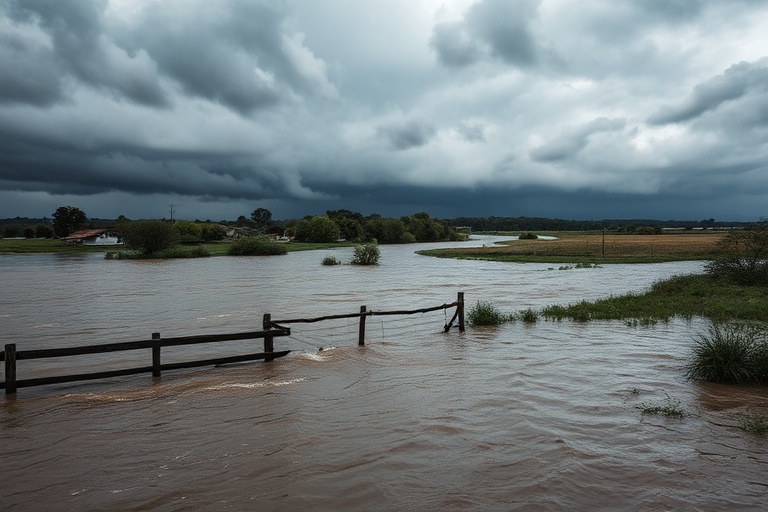
Flood Watch: How to Stay Safe and Prepared During Flood Alerts
“`html
Flood Watch: Understanding Risks and Preparedness
Floods remain one of the most frequent and destructive natural disasters worldwide, affecting millions of people annually. According to the National Oceanic and Atmospheric Administration (NOAA), flooding causes an average of $8 billion in damages in the United States alone each year. These events disrupt communities, displace residents, and strain local resources. Understanding flood risks and preparing accordingly can significantly reduce personal and financial losses.
What Is a Flood Watch?
A Flood Watch is issued by the National Weather Service (NWS) when conditions are favorable for flooding to occur in a specified area. Unlike a Flood Warning—which indicates flooding is imminent or already happening—a watch serves as an early alert. It means residents should stay informed and prepare for potential flooding within the next 24 to 48 hours.
These watches are typically triggered by heavy rainfall, rapid snowmelt, or saturated ground conditions. For example, after prolonged rain, soil can no longer absorb additional moisture, increasing runoff and flood risk. In coastal regions, a Flood Watch might be issued due to storm surges or high tide events. The NWS uses advanced hydrological models to predict when and where flooding may develop.
Residents in a Flood Watch area should review their emergency plans, check local weather updates, and ensure they have access to alerts through weather apps or NOAA Weather Radio. It’s also wise to prepare an emergency kit with essentials like water, non-perishable food, flashlights, and a first-aid kit.
Types of Flooding and Their Unique Risks
Not all floods are the same. Flash floods, river floods, and coastal floods each present distinct dangers and require different responses. Flash floods, in particular, can develop within minutes of heavy rainfall, often catching people off guard. They are most common in urban areas with dense infrastructure that prevents water absorption.
River floods occur when water levels rise gradually over days or weeks, typically due to sustained rainfall or snowmelt. These events can inundate large areas, affecting homes, farms, and critical infrastructure. The 2019 Midwest floods in the U.S., for instance, resulted from a combination of heavy snowfall and rapid warming, leading to prolonged river flooding across several states.
Coastal floods, driven by storm surges or high tides, pose threats to low-lying communities near shorelines. Hurricane seasons often bring these conditions, with storm surges being the leading cause of hurricane-related fatalities. For example, during Hurricane Katrina in 2005, storm surges overwhelmed levees in New Orleans, causing catastrophic flooding.
Urban flooding is another growing concern as cities expand and replace natural landscapes with concrete. In 2021, catastrophic flooding in Germany and Belgium highlighted how urban infrastructure can exacerbate flood risks when drainage systems fail under extreme rainfall. Understanding these different types helps residents and authorities tailor their preparedness and response strategies.
Preparing for a Flood Watch: Key Steps
When a Flood Watch is issued, proactive measures can save lives and property. One of the first steps is to assess your home’s vulnerability. Check if your property is in a floodplain by consulting local flood maps available through the Federal Emergency Management Agency (FEMA). Older homes or those in low-lying areas are particularly at risk.
Next, create an emergency plan that includes evacuation routes. Identify higher ground or designated shelters in your area and ensure all family members know the route. If flooding is likely, move valuables and important documents to upper floors or secure storage. Elevating electrical systems and installing sump pumps can also help mitigate damage.
It’s also important to prepare an emergency kit. The Centers for Disease Control and Prevention (CDC) recommends including at least three days of water (one gallon per person per day), non-perishable food, medications, a flashlight with extra batteries, and a portable charger. Don’t forget to include masks and hand sanitizer, especially in the context of ongoing public health considerations.
How Technology is Improving Flood Prediction and Response
Advancements in technology are revolutionizing how communities prepare for and respond to floods. Real-time data from weather satellites, radar systems, and automated river gauges provide critical information to forecasters. For example, the NOAA’s Next Generation Weather Radar (NEXRAD) system allows meteorologists to track precipitation intensity and movement with greater accuracy.
Machine learning and artificial intelligence are also being integrated into flood prediction models. These systems analyze vast datasets, including historical flood patterns, soil moisture levels, and river flow rates, to improve forecast accuracy. In 2020, researchers at the University of California, Irvine, developed an AI model that predicted flood risks up to three days in advance with 90% accuracy in certain regions.
On the ground, smart sensors and IoT devices are being deployed to monitor water levels in real time. These devices, often installed in flood-prone areas, send alerts to local authorities when water levels exceed safe thresholds. In cities like Houston, Texas, such technology has helped emergency services respond more quickly to rising floodwaters.
Another innovation is the use of flood inundation mapping. These digital maps visualize potential flood extents based on different scenarios, helping residents and city planners understand which areas are most at risk. FEMA’s Flood Map Service Center provides these maps, allowing individuals to assess their property’s risk level.
Community and Government Roles in Flood Preparedness
While individual preparedness is crucial, community and government efforts play a vital role in reducing flood risks. Local governments are responsible for maintaining drainage systems, levees, and flood control infrastructure. In many cities, aging infrastructure is a growing concern, as seen in reports highlighting the need for upgrades to prevent urban flooding.
Public awareness campaigns, such as those conducted by the NWS and FEMA, educate residents about flood risks and preparedness. These initiatives often include workshops, informational websites, and community drills. For example, FEMA’s “Ready” program offers resources on creating emergency plans and understanding flood terminology.
Nonprofit organizations and volunteer groups also contribute by distributing sandbags, assisting with evacuations, and providing relief during flood events. In 2022, the American Red Cross deployed teams across Kentucky after catastrophic flooding, offering shelter and support to displaced residents. These efforts underscore the importance of collective action in flood response.
At the federal level, agencies like FEMA and the U.S. Army Corps of Engineers work to mitigate flood risks through infrastructure projects and policy initiatives. For instance, the Corps of Engineers manages flood control projects like levees and dams, while FEMA administers the National Flood Insurance Program (NFIP), which provides flood insurance to property owners in participating communities.
Long-Term Strategies for Reducing Flood Risks
Beyond immediate preparedness, long-term strategies can help communities adapt to increasing flood risks. One approach is green infrastructure, which uses natural systems like wetlands, rain gardens, and permeable pavements to absorb and redirect water. Cities such as Philadelphia and Chicago have implemented green infrastructure projects to reduce urban flooding and improve water quality.
Another strategy is managed retreat, where communities relocate away from high-risk flood zones. This approach is gaining traction in areas facing chronic flooding, such as parts of Louisiana’s coast. While controversial, managed retreat can save lives and reduce repeated recovery costs.
Climate change is intensifying flood risks, making adaptation strategies even more critical. Rising global temperatures contribute to heavier rainfall events, while melting glaciers and ice sheets raise sea levels. According to the Intergovernmental Panel on Climate Change (IPCC), extreme rainfall events are expected to become more frequent and severe in the coming decades.
Investing in resilient infrastructure is another key strategy. This includes elevating homes, reinforcing critical facilities like hospitals and power plants, and designing flood-resistant buildings. For example, in the Netherlands, flood-resistant architecture is a cornerstone of urban planning, with entire communities built to withstand high water levels.
Resources for Staying Informed
Staying informed during a Flood Watch is essential for making timely decisions. The National Weather Service provides real-time updates through its website and mobile app. Residents can also sign up for local emergency alert systems, such as the Wireless Emergency Alerts (WEA) system, which sends notifications to mobile phones during critical situations.
Local news outlets and weather apps offer additional layers of information. Apps like Weather Underground and AccuWeather provide hyperlocal forecasts and flood alerts. For those in flood-prone areas, subscribing to a service that offers early warnings can be a lifesaving decision.
For more detailed guidance on flood preparedness, visit the Dave’s Locker Preparedness category, which offers resources on emergency planning and disaster response. Additionally, FEMA’s Ready.gov website provides comprehensive checklists and tips for creating emergency kits and evacuation plans.
Understanding flood risks and preparing accordingly can make a significant difference in protecting lives and property. Whether through individual action, community efforts, or technological innovation, proactive steps today can mitigate the impacts of future floods. By staying informed and taking precautionary measures, residents can navigate flood watches with greater confidence and resilience.