<!DOCTYPE html>
<html lang="en">
<head>
    <meta charset="UTF-8">
    <meta name="viewport" content="width=device-width, initial-scale=1.0">
    <title>François Prinsloo's WWE Release: What Comes Next for South African Wrestling?</title>
</head>
<body>
    <article>
        <h1>François Prinsloo’s WWE Release: A Turning Point for South African Wrestling Ambitions</h1>

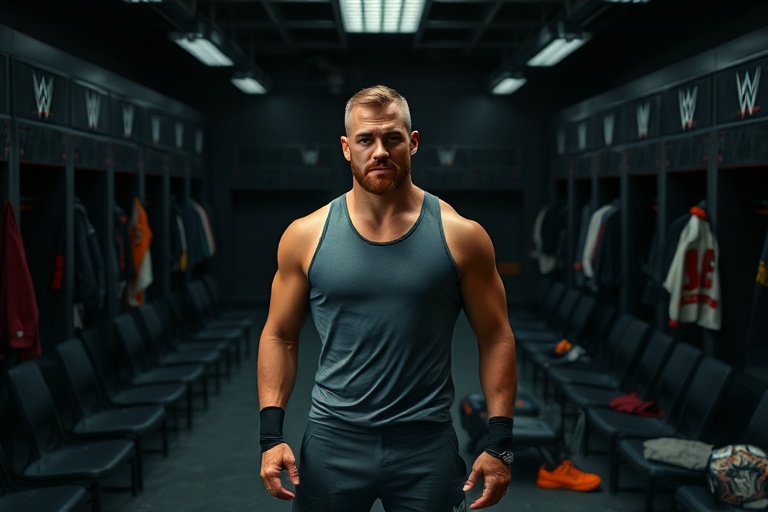
        <p>The news of <strong>François Prinsloo’s</strong> departure from <a href="https://daveslocker.net/category/sports/">WWE</a> has sent ripples through the global wrestling community. The South African wrestler, known for his high-energy performances and technical prowess, was released from the company’s developmental roster in early October. His release follows a trend of international talent being let go as WWE streamlines its global operations. But what does this mean for Prinsloo’s career—and for wrestling in South Africa?</p>

        <p>Prinsloo’s journey to WWE was itself a story of perseverance. Born in Pretoria, he began wrestling in local promotions before catching the attention of talent scouts. His signing marked one of the rare instances where a South African wrestler earned a developmental deal with the world’s largest wrestling company. Yet, his release underscores the harsh realities of professional wrestling: even promising careers can be cut short by shifting priorities.</p>

        <h2>The Global Wrestling Landscape and South African Talent</h2>

        <p>WWE’s developmental system, <strong>NXT</strong>, has long been a proving ground for international wrestlers. However, the company’s recent focus on domestic talent and established stars has led to a reduction in overseas signings. Prinsloo’s release is part of a broader pattern affecting wrestlers from Africa, Asia, and Latin America.</p>

        <p>South Africa has a growing wrestling scene, with promotions like <strong>Wrestling World Africa</strong> and <strong>Supreme Championship Wrestling</strong> nurturing local talent. Yet, opportunities to break into major global circuits remain limited. Prinsloo’s departure highlights the challenges faced by African wrestlers in gaining international exposure.</p>

        <p>The situation reflects a larger issue in sports entertainment: the balance between global expansion and local development. While WWE seeks to dominate markets worldwide, it often prioritizes wrestlers who can immediately connect with domestic audiences. For athletes like Prinsloo, this means the path to the top is fraught with uncertainty.</p>

        <h2>What’s Next for François Prinsloo?</h2>

        <p>Prinsloo’s future remains uncertain, but several possibilities exist. He could return to South Africa, using his WWE experience to elevate local promotions. Alternatively, he might seek opportunities in Europe or Japan, where wrestling cultures are more open to international talent.</p>

        <p>His release also opens discussions about the role of developmental contracts in wrestling. Unlike traditional sports, wrestling careers are uniquely volatile. A single decision can alter an athlete’s trajectory overnight. Prinsloo’s situation serves as a reminder of the fragility of wrestling careers, even for those who reach the doorstep of the industry’s biggest stage.</p>

        <p>The wrestling community has rallied around Prinsloo, with fans and fellow wrestlers expressing support on social media. Such solidarity is crucial in an industry where job security is rare. His next steps could inspire other African wrestlers to pursue their dreams, despite the odds.</p>

        <h2>The Broader Impact on African Wrestling</h2>

        <p>Prinsloo’s release is more than just an individual story—it’s a reflection of the wrestling ecosystem in Africa. While South Africa has made strides in developing homegrown talent, the lack of consistent pathways to global leagues remains a barrier. Promotions across the continent struggle to gain visibility, often overshadowed by larger organizations.</p>

        <p>Yet, there are signs of progress. Independent promotions are gaining traction, and social media has allowed wrestlers to build their own brands. Prinsloo’s experience could serve as a catalyst for change, pushing local organizations to create better opportunities for their athletes.</p>

        <p>Here’s a look at some key factors influencing African wrestling’s future:</p>

        <ul>
            <li><strong>Talent Development:</strong> Local promotions must invest in training programs to produce high-caliber wrestlers.</li>
            <li><strong>Networking:</strong> Building relationships with global organizations can open doors for collaborations and exchanges.</li>
            <li><strong>Fan Engagement:</strong> Growing the audience base through digital platforms can attract sponsors and investors.</li>
            <li><strong>Media Exposure:</strong> Streaming matches and documenting journeys can put African wrestling on the map.</li>
        </ul>

        <p>Prinsloo’s case highlights the need for a more inclusive approach to wrestling’s global expansion. If WWE and other major leagues are serious about international growth, they must provide sustainable pathways for talent from emerging markets.</p>

        <h2>A Career in Perspective</h2>

        <p>François Prinsloo’s time in WWE, though brief, has already left a mark on South African wrestling. His story is one of ambition, resilience, and the harsh realities of a competitive industry. While his release may seem like a setback, it could also be a stepping stone to new opportunities.</p>

        <p>For now, the wrestling world watches closely. Will Prinsloo return to NXT in the future? Could he become a trailblazer for African wrestling in another major league? The answers remain unclear, but one thing is certain: his journey is far from over.</p>

        <p>The lessons from his experience extend beyond wrestling. They speak to the broader challenges faced by athletes in smaller markets, where opportunities are scarce and competition is fierce. Prinsloo’s story is a testament to the power of perseverance—and a call to action for the wrestling community to support its global talent.</p>

        <p>As the dust settles on this chapter, one thing is clear: François Prinsloo’s career is a work in progress. And in the world of wrestling, that’s often where the most compelling stories begin.</p>
    </article>

    <footer>
        <!-- Related articles or additional content can go here -->
    </footer>