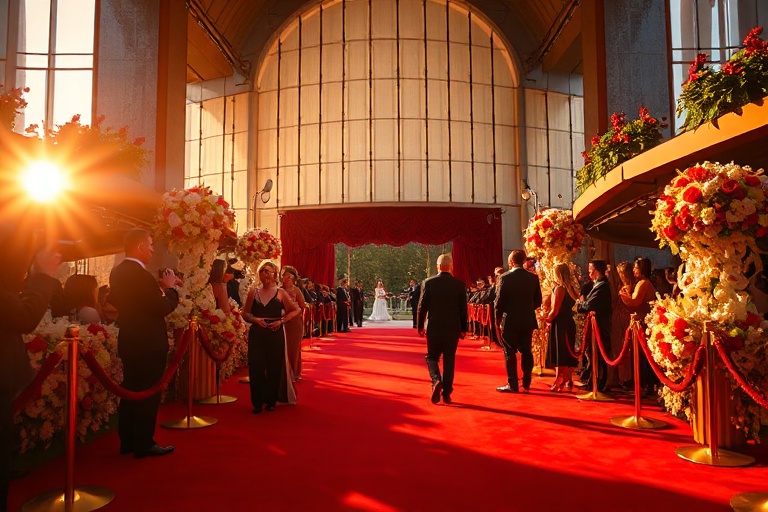
The gala festival stands as a cornerstone event in many communities, blending artistic expression with social connection. Unlike smaller gatherings, these festivals often feature a curated selection of performances, exhibitions, and culinary experiences designed to engage diverse audiences. Their evolution from local celebrations to major cultural events reflects broader trends in how communities prioritize arts and culture.
Historically, gala festivals emerged as fundraising mechanisms for cultural institutions, particularly theaters, museums, and orchestras. Over time, they expanded to include broader artistic disciplines, from dance and visual arts to culinary arts and technology. Today, they serve multiple purposes: supporting artists, entertaining audiences, and fostering community pride. The modern gala festival is a carefully orchestrated event that balances sophistication with accessibility, ensuring broad appeal while maintaining its core mission.
The Structure of a Gala Festival
A well-organized gala festival typically follows a multi-phase structure, beginning with pre-event activities and culminating in the main celebration. The planning phase often spans several months, involving committees, sponsors, and volunteers. These teams work to secure venues, curate programming, and coordinate logistics such as ticketing, security, and hospitality.
The festival itself unfolds across several key components:
- Opening Ceremony: A formal event that sets the tone, often featuring speeches from organizers, sponsors, or local dignitaries. This segment may include performances or presentations that highlight the festival’s theme.
- Main Performances/Exhibitions: The core of the festival, where featured artists and performers take center stage. These may include concerts, theatrical productions, art exhibitions, or film screenings.
- Social and Networking Opportunities: Galas are as much about connection as they are about art. Attendees often gather for cocktail hours, dinners, or receptions that encourage mingling among artists, patrons, and supporters.
- Community Engagement: Many festivals incorporate workshops, panel discussions, or interactive installations that invite public participation. These elements ensure the event remains inclusive and educational.
- Closing Ceremony: A reflective moment that acknowledges contributors, announces future plans, and often includes a final performance or unveiling.
The most successful gala festivals blend tradition with innovation. For example, some modern festivals incorporate virtual reality experiences or digital art installations, appealing to younger audiences while honoring classical traditions. Others focus on sustainability, using eco-friendly materials and partnering with local environmental groups to minimize their footprint.
The scale of a gala festival can vary dramatically. Smaller events may draw a few hundred attendees in a local venue, while major festivals—such as the Edinburgh International Festival or the Salzburg Festival—attract tens of thousands of visitors from around the world. The budget for such events can range from modest (funded primarily by ticket sales and donations) to substantial (with significant corporate sponsorships and government grants).
Why Gala Festivals Matter
Beyond their entertainment value, gala festivals play a critical role in sustaining the arts ecosystem. For artists, they provide a platform to showcase work, gain recognition, and connect with audiences. Many emerging artists receive their first major exposure through festival performances or exhibitions. For established artists, galas offer opportunities to collaborate with peers, experiment with new formats, and engage with patrons who can support their careers.
For communities, these festivals act as economic engines. A well-attended gala can boost local businesses, from hotels and restaurants to transportation and retail. Cities like Edinburgh, Salzburg, and Aspen have built their reputations as cultural hubs largely through their annual festivals. Even smaller towns benefit from the influx of visitors, who spend money on accommodations, dining, and souvenirs.
Culturally, gala festivals preserve and promote heritage. Many festivals are rooted in specific traditions, such as the Salzburg Festival’s emphasis on classical music or the Venice Film Festival’s celebration of cinema. Others focus on contemporary issues, using art as a lens to explore topics like social justice, environmentalism, or technological innovation. By curating diverse programming, festivals ensure that cultural narratives remain dynamic and inclusive.
Socially, these events foster a sense of belonging. They bring together people from different backgrounds—artists, patrons, students, and families—creating spaces where shared experiences can bridge divides. The act of attending a gala festival often becomes a ritual, a yearly tradition that strengthens community bonds. For many attendees, the festival is not just an outing but a rite of passage, marking personal milestones or cultural moments.
Consider the example of the Edinburgh Festival Fringe, the world’s largest arts festival. Each August, the city transforms into a global stage for theater, comedy, dance, and music. While not a traditional gala, its open-access model embodies the spirit of festival culture—democratic, experimental, and community-driven. The Fringe’s success has inspired similar models worldwide, proving that festivals can thrive without gatekeepers.
Challenges and Opportunities
Despite their benefits, gala festivals face significant challenges. One of the most pressing is financial sustainability. Rising costs for venues, performers, and production can strain budgets, particularly for non-profit organizations. Many festivals rely heavily on sponsorships, which may come with strings attached, such as branding restrictions or pressure to align with corporate values. Others struggle to secure funding amid competing priorities, such as education or healthcare.
Accessibility is another concern. Ticket prices for high-profile galas can be prohibitive, excluding lower-income audiences. While some festivals offer scholarships or discounted rates, these efforts are not always enough to ensure diversity. Additionally, physical accessibility—such as accommodating attendees with disabilities—remains an issue for older venues.
Technology presents both challenges and opportunities. On one hand, digital platforms can expand a festival’s reach, allowing virtual attendance or online auctions for artworks. On the other, the rise of streaming services and digital entertainment threatens to dilute the allure of live experiences. Festivals must innovate to stay relevant, whether through hybrid events, interactive installations, or gamified experiences.
The COVID-19 pandemic underscored the fragility of traditional gala models. When live events were canceled, many festivals pivoted to virtual formats, proving that audiences are willing to engage online—if the content is compelling. However, the loss of in-person networking and the intangible magic of live performance highlighted what was at stake. As festivals return to pre-pandemic norms, they face a new challenge: blending digital innovation with the irreplaceable energy of physical gatherings.
Sustainability is also becoming a priority. Festivals generate significant waste, from single-use plastics to energy consumption for lighting and sound systems. Forward-thinking organizers are adopting green practices, such as using compostable materials, sourcing local food, and offsetting carbon emissions. Some festivals, like Glastonbury in the UK, have committed to becoming carbon-neutral, setting an example for the industry.
The Future of Gala Festivals
The future of gala festivals will likely be shaped by three key trends: personalization, collaboration, and sustainability. As audiences demand more tailored experiences, festivals will leverage data to curate programming that resonates with specific demographics. Imagine a festival app that recommends performances based on your preferences, or a social platform that connects attendees with like-minded peers before the event even begins.
Collaboration will also be critical. Festivals are increasingly partnering with other cultural institutions, businesses, and even governments to create multi-disciplinary experiences. For example, a music festival might collaborate with a local brewery to offer craft beer pairings, or a film festival might team up with a university to host panel discussions on cinema’s role in society. These partnerships not only enhance the attendee experience but also broaden the festival’s impact.
Sustainability will remain a non-negotiable priority. Festivals that fail to address environmental concerns risk alienating audiences and sponsors alike. Expect to see more festivals adopting circular economy principles, where waste is minimized, and resources are reused or recycled. Innovations like solar-powered stages, water refill stations, and plant-based catering will become standard.
Ultimately, the gala festival of the future will be defined by its ability to adapt. The most resilient festivals will balance tradition with innovation, ensuring they remain relevant to new generations while honoring their historical roots. They will prioritize accessibility, sustainability, and community engagement, recognizing that their success depends not just on ticket sales but on their role as cultural stewards.
For attendees, the appeal of gala festivals will endure because they fulfill a fundamental human need: the desire to gather, celebrate, and be inspired. Whether it’s the thrill of discovering a new artist, the joy of reconnecting with old friends, or the simple pleasure of a night under the stars, these events offer something that digital entertainment cannot replicate. In an increasingly fragmented world, gala festivals provide a space for collective joy—a reminder of what we can achieve when we come together.
For more on cultural events and trends, visit Dave’s Locker Culture Section.