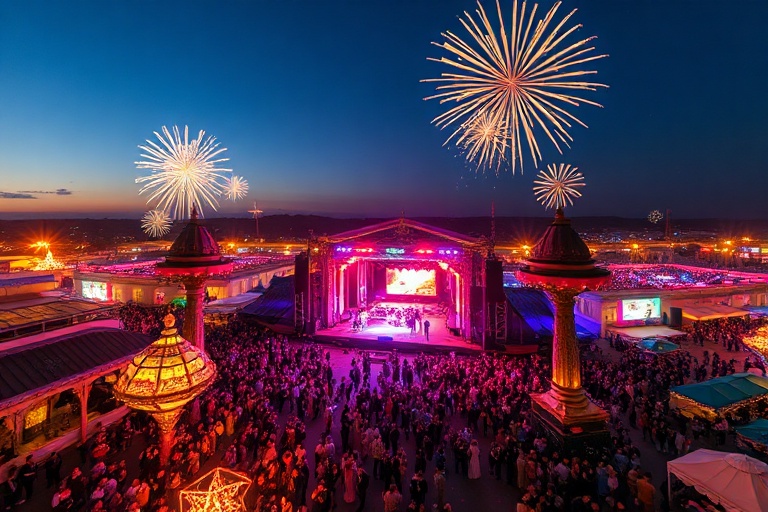
Gala Festivals: Tradition, Fundraising, and Modern Evolution Explained
“`html
What Is a Gala Festival? Understanding the Tradition and Its Modern Evolution
Gala festivals occupy a unique space in the cultural calendar. These events blend celebration, fundraising, and community engagement, often tied to charitable causes, arts patronage, or institutional milestones. Unlike public festivals focused solely on entertainment, galas tend to be more exclusive, structured around formal dining, performances, and auctions. Their roots can be traced to European aristocratic traditions, where lavish gatherings marked social status and philanthropy.
Today, gala festivals have evolved into high-profile social events that serve dual purposes: celebrating excellence and supporting meaningful causes. From film festivals to charity galas, these occasions bring together influential figures across industries. The modern gala balances opulence with purpose, ensuring that glamour serves a greater social good. This duality has helped galas maintain relevance in an era where public expectations around celebrity and philanthropy have shifted.
The Structure of a Gala Festival: What to Expect
A typical gala unfolds with deliberate pacing, beginning with a cocktail reception where guests mingle in a curated setting. The evening often includes a seated dinner, followed by speeches, performances, and an awards segment or auction. Unlike casual festivals, galas emphasize exclusivity through invitation-only access and dress codes that range from black-tie to thematic creativity.
Here are key elements commonly found at gala festivals:
- Guest List: Curated to align with the event’s mission, often featuring celebrities, donors, or industry leaders.
- Program Flow: A structured agenda that balances entertainment, recognition, and fundraising activities.
- Fundraising Mechanism: Silent auctions, live auctions, or donation pledges are central to most galas.
- Theme and Decor: Themes enhance the experience, from elegant ballrooms to immersive storytelling environments.
For instance, the Met Gala, one of the most famous galas globally, transforms the Metropolitan Museum of Art into a themed spectacle each May. While primarily a fashion fundraiser for the Costume Institute, it has grown into a cultural phenomenon that influences trends worldwide. The gala’s blend of art, fashion, and philanthropy demonstrates how these events can transcend their original purpose.
Gala Festivals in the Arts: Celebrating Creativity and Philanthropy
In the arts, gala festivals serve as vital fundraising vehicles for museums, theaters, and performing arts organizations. These events not only provide financial support but also elevate public visibility for cultural institutions. A gala can mark the opening of a new exhibition, honor a retiring artist, or celebrate a major donation.
Consider the San Francisco Opera’s annual autumn gala. Held in the War Memorial Opera House, the event combines operatic performances with a lavish dinner. Proceeds benefit the company’s artistic and educational programs. Such galas are critical in an era when public funding for the arts continues to decline. They offer patrons a way to invest directly in cultural preservation while enjoying a night of artistic excellence.
Similarly, film festivals often conclude with gala screenings and award ceremonies. The Cannes Film Festival, though primarily a competitive showcase, hosts high-profile galas that attract global media attention. These events help films secure distribution deals and elevate the profiles of filmmakers. The intersection of art and commerce at galas underscores their role as economic engines within creative industries.
The Role of Galas in Fundraising: Beyond the Glamour
While galas are often associated with luxury, their primary function remains fundraising. Charitable organizations leverage the appeal of high-profile attendees to drive donations. According to a study by the Association of Fundraising Professionals, galas can generate significant revenue when executed effectively. However, the return on investment depends on careful planning and genuine donor engagement.
Effective gala fundraising relies on several strategies:
- Donor Recognition: Acknowledging major contributors publicly during the program.
- Live Auctions: Soliciting competitive bids on curated items or experiences.
- Peer-to-Peer Engagement: Encouraging attendees to leverage their networks.
- Mission-Centric Messaging: Ensuring the cause resonates with the audience.
For example, the Academy Museum of Motion Pictures’ gala in Los Angeles highlights the intersection of Hollywood glamour and philanthropy. The event supports the museum’s mission to preserve film history and educate future generations. By aligning with the entertainment industry’s values, the gala attracts both donors and media attention, amplifying its impact.
Challenges and Criticisms of Gala Culture
Despite their popularity, galas face scrutiny over cost, accessibility, and authenticity. Critics argue that the high overhead expenses—venue rentals, catering, decor—can divert funds from the stated charitable mission. A 2022 report by Charity Navigator found that some nonprofits spend up to 30% of gala proceeds on event logistics, raising concerns about efficiency.
Additionally, the exclusivity of galas can alienate potential supporters who feel disconnected from the guest list or fundraising model. As younger generations prioritize transparency and impact, traditional gala formats may struggle to maintain relevance. Innovations such as virtual galas and hybrid events have emerged in response to these challenges, offering more inclusive alternatives.
Another criticism targets the performative aspect of galas, where philanthropy becomes a spectacle. While the optics of a well-attended gala can boost an organization’s image, critics question whether the funds raised truly address systemic issues. For instance, a hospital gala may raise millions but does little to reform healthcare inequities. This tension between fundraising and systemic change remains a point of debate in philanthropic circles.
Why Galas Still Matter in a Changing World
Gala festivals endure because they fulfill multiple needs: they celebrate culture, foster community, and generate resources for causes. In an era of social media and instant gratification, galas offer a rare opportunity for face-to-face connection and reflection. The ritual of dressing up, sharing a meal, and experiencing live performances creates shared memories that digital interactions cannot replicate.
Moreover, galas provide a platform for underrepresented voices and causes. Organizations serving marginalized communities often use galas to spotlight their work and attract allies. For example, the Human Rights Campaign’s annual dinner has become a cornerstone event for LGBTQ+ advocacy, blending celebration with activism. Such galas demonstrate that these events can be both glamorous and purposeful.
As society evolves, so too will gala festivals. The future may see more interactive experiences, sustainable practices, and diversified guest lists. Yet the essence of a gala—bringing people together to honor, support, and inspire—will likely remain unchanged. In a fragmented world, these moments of collective joy and purpose hold enduring value.