Rolling Loud: The Festival That Redefined Global Hip-Hop Culture
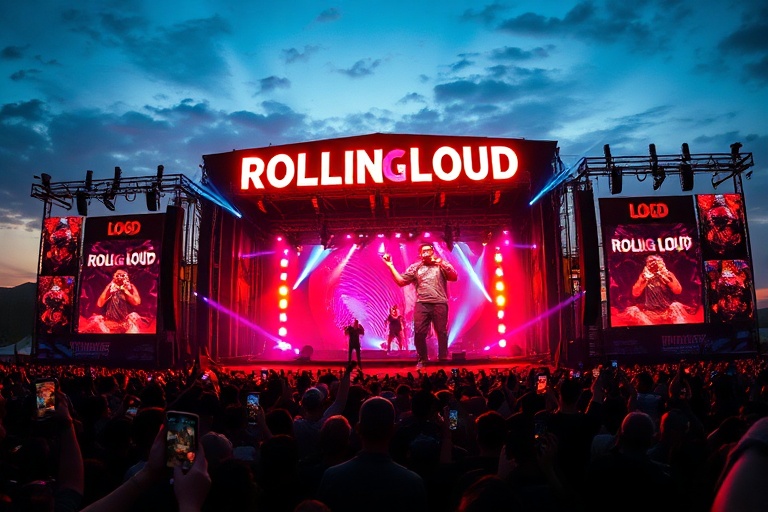
Since its 2015 debut in Miami, Rolling Loud has grown from a local hip-hop showcase into the world’s largest hip-hop music festival. What began as a one-day event with a modest lineup has expanded into a multi-day extravaganza spanning Los Angeles, New York, Portugal, and Thailand. Its influence now stretches beyond music, shaping fashion, social media trends, and even tourism. The festival’s meteoric rise reflects the global dominance of hip-hop—a genre that now commands the largest share of music consumption worldwide.
The festival’s expansion mirrors the growth of hip-hop itself. In 2015, hip-hop surpassed rock as the most popular music genre in the United States for the first time. By 2023, it accounted for over 30% of all music consumption globally. Rolling Loud didn’t just ride that wave; it helped create it. Today, the festival’s stages have hosted legends like Travis Scott, Future, and Nicki Minaj alongside rising stars such as Central Cee and Ice Spice. Its ability to blend established icons with underground talent has made it a cultural barometer for the genre’s ever-evolving sound.
The Global Expansion: From Miami to the World
Rolling Loud’s international growth began in 2019 with its first European edition in Portugal. The Lisbon festival sold out in hours, drawing fans from across the continent. By 2022, it had added a second U.S. location in Los Angeles, followed by a debut in Asia with a 2023 event in Thailand. This global strategy wasn’t just about geographic reach—it was about tapping into regional hip-hop scenes that were flourishing in unexpected markets.
Portugal’s hip-hop scene, for example, had long been overshadowed by its European neighbors. Rolling Loud Lisbon changed that perception. The festival introduced local artists like Dino d’Santiago and Plutónio to international audiences while showcasing global stars like Lil Baby and A$AP Rocky. Similarly, Thailand’s hip-hop culture, though vibrant, had limited exposure outside Southeast Asia. Rolling Loud Bangkok brought in heavyweights like Rich Brian and Tyla, signaling hip-hop’s growing influence in the region.
This global approach has turned Rolling Loud into more than a festival—it’s a cultural exchange. Fans travel from as far as Australia and South Africa to attend, creating a melting pot of musical tastes and styles. The festival’s success in these markets proves that hip-hop’s appeal is truly universal, transcending language and borders.
The Cultural Impact: Beyond the Music
Rolling Loud’s influence extends far beyond its musical lineup. The festival has become a hub for fashion, with brands like Nike, Puma, and local streetwear labels unveiling exclusive collections. Its stages have launched viral trends, from Travis Scott’s signature backwards hat to the resurgence of Y2K-inspired aesthetics. Even the festival’s food vendors have become social media stars, with dishes like “Dwayne ‘The Rock’ Johnson’s pancakes” selling out within minutes.
The festival’s impact on social media is equally significant. In 2023, Rolling Loud generated over 2.5 million posts on Instagram alone, with hashtags like #RL2023 and #RollingLoud trending worldwide. Its TikTok presence has amassed billions of views, with behind-the-scenes content and festival moments driving engagement. This digital footprint ensures that Rolling Loud remains relevant year-round, not just during its annual events.
Rolling Loud has also played a role in shaping hip-hop’s political and social conversations. The festival has hosted panel discussions on topics ranging from mental health in the music industry to the role of hip-hop in activism. These conversations, often overlooked in mainstream music festivals, provide a platform for artists and fans to engage with pressing issues. The festival’s commitment to these discussions has earned it respect beyond the music community.
The Economic Ripple Effect: A Billion-Dollar Industry
The financial impact of Rolling Loud cannot be overstated. A single edition of the festival generates tens of millions in revenue for host cities. In Miami alone, Rolling Loud 2023 brought in an estimated $120 million, according to local tourism reports. This influx benefits hotels, restaurants, and local businesses, creating jobs and boosting the local economy. The festival’s economic footprint is so significant that cities now compete to host it, offering incentives and partnerships to secure the event.
Beyond ticket sales and tourism, Rolling Loud has spawned a range of revenue streams. Its merchandise sales top $10 million annually, while its streaming deals with platforms like YouTube and Amazon Music add millions more. The festival’s impact on streaming numbers is particularly notable. In 2023, Rolling Loud-related content accounted for a 15% increase in hip-hop streams on Spotify during the festival weekend. This surge in consumption drives long-term revenue for artists and labels, further solidifying Rolling Loud’s role in the music industry’s ecosystem.
The festival has also created opportunities for emerging artists. Rolling Loud’s “Talent Development Program” provides grants and mentorship to up-and-coming musicians, helping them break into the industry. This initiative has launched the careers of artists like Latto and Fivio Foreign, who performed at the festival before achieving mainstream success. For many, Rolling Loud serves as a launchpad—a place where dreams are made and careers are cemented.
The Future: What’s Next for Rolling Loud?
As Rolling Loud continues to expand, its future looks brighter than ever. Rumors of new international editions—potentially in Africa or South America—have circulated for years. The festival’s organizers have hinted at a potential foray into virtual reality, allowing fans to experience the festival remotely. This innovation could open up new revenue streams and make the festival accessible to even more fans worldwide.
The festival’s ability to adapt is one of its greatest strengths. In 2020, despite the challenges of the pandemic, Rolling Loud pivoted to a virtual event, streaming performances from empty venues. The move kept the festival alive during a critical time and demonstrated its resilience. Today, the festival’s organizers are exploring sustainability initiatives, including carbon-neutral events and partnerships with eco-friendly brands. These efforts reflect a growing awareness of the festival’s environmental impact and a commitment to responsible growth.
One thing is certain: Rolling Loud’s influence will only continue to grow. As hip-hop cements its place as the world’s dominant music genre, the festival will remain at the forefront of its cultural evolution. Whether through its music, fashion, or social impact, Rolling Loud is more than a festival—it’s a movement. And with each passing year, it brings the world closer together, one beat at a time.