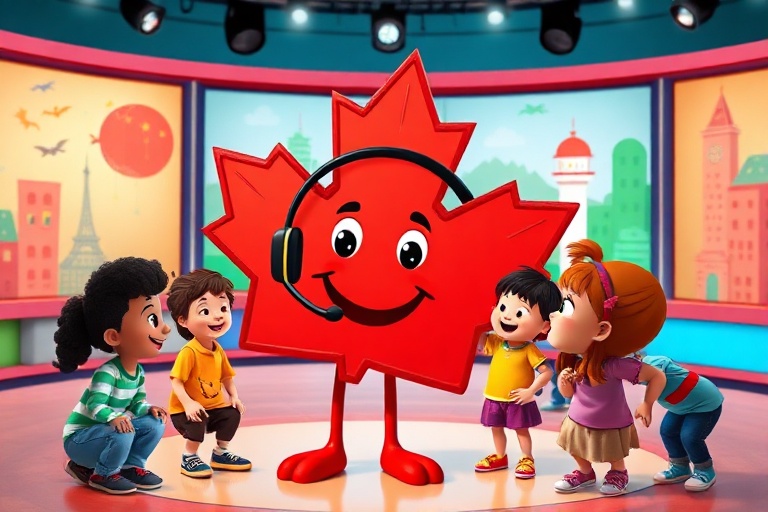
For decades, CBC Kids has stood as a cornerstone of Canadian children’s entertainment and education. The platform, operated by the Canadian Broadcasting Corporation, offers a carefully curated selection of content designed to engage young audiences while fostering creativity, learning, and cultural awareness. From animated series to interactive games, CBC Kids remains a trusted resource for families across the country.
What sets CBC Kids apart is its commitment to Canadian content. The platform prioritizes homegrown productions that reflect the country’s diversity, values, and storytelling traditions. This focus not only supports local creators but also provides children with relatable narratives that resonate deeply. Whether through shows like Daniel Tiger’s Neighborhood or Odd Squad, CBC Kids blends entertainment with meaningful lessons.
The Evolution of CBC Kids: From Television to Digital
CBC Kids began as a television block on CBC Television, launching in 1979 as CBC’s Wonderland. Over the years, it expanded into a dedicated channel and eventually evolved into a multi-platform service. Today, CBC Kids is accessible via television, the CBC Kids website, and mobile apps, ensuring content is available wherever and whenever kids need it.
The shift to digital was a natural progression. As children’s media consumption habits changed, CBC Kids adapted by offering streaming services, downloadable apps, and interactive games. This digital expansion allowed the platform to reach a broader audience while maintaining its educational mission. Programs like Annedroids and Dino Dana became staples, blending science, adventure, and humor in ways that appealed to young viewers.
One of the most significant updates came in 2018 with the launch of the CBC Kids app. The app features a mix of on-demand episodes, games, and educational resources, all designed with child safety in mind. Parents can rest easy knowing the content is ad-free and vetted for appropriateness. This commitment to quality has solidified CBC Kids as a leader in children’s digital media.
Key Features of the CBC Kids App
- Ad-Free Viewing: All content is free from commercial interruptions, ensuring a focused learning environment.
- Parental Controls: Customizable settings allow parents to monitor and limit screen time.
- Educational Games: Interactive games reinforce lessons from shows, covering subjects like math, science, and literacy.
- Offline Mode: Download episodes and games for viewing without an internet connection.
Why CBC Kids Stands Out in a Crowded Market
In an era dominated by global streaming giants, CBC Kids holds its own by prioritizing Canadian stories and voices. While platforms like Netflix and YouTube offer vast libraries, CBC Kids fills a unique niche—providing content that reflects Canadian culture, history, and values. This local focus is increasingly important as families seek media that represents their experiences.
Another distinguishing factor is CBC Kids’ emphasis on education. Many shows are designed with input from child development experts, ensuring that content aligns with early learning standards. For example, Molly of Denali—an animated series about a 10-year-old Alaska Native girl—teaches problem-solving, cultural awareness, and literacy. The show has been praised for its authentic representation and educational value.
CBC Kids also plays a vital role in promoting bilingualism. Many programs are available in both English and French, catering to Canada’s official languages. This bilingual approach not only supports language learning but also fosters inclusivity. Shows like Les Pyjamasques (The PJ Masks) demonstrate how content can bridge linguistic and cultural divides.
The Future of CBC Kids: Innovation and Inclusivity
Looking ahead, CBC Kids is poised to continue its growth by embracing new technologies and storytelling formats. Virtual reality (VR) and augmented reality (AR) are areas of exploration, offering immersive experiences that could transform how children engage with content. For instance, VR could allow kids to “step into” their favorite shows, creating interactive learning opportunities.
Inclusivity remains a top priority. CBC Kids is actively working to diversify its content, ensuring that all children—regardless of background—see themselves represented on screen. This includes partnerships with Indigenous creators, LGBTQ+ storytellers, and creators from underrepresented communities. The goal is to create a media landscape where every child feels seen and valued.
The platform is also expanding its reach through collaborations with schools and educators. Teacher resources, lesson plans, and professional development workshops are now part of CBC Kids’ offerings. By aligning with curriculum standards, the platform becomes more than just entertainment—it’s a tool for learning.
Upcoming CBC Kids Initiatives
- Interactive Storytelling: New shows will incorporate choose-your-own-adventure elements, allowing kids to influence narratives.
- Community Engagement: CBC Kids plans to host live events, workshops, and Q&As with creators to foster direct connections with audiences.
- Global Partnerships: Collaborations with international broadcasters could introduce CBC Kids content to new markets, while bringing diverse perspectives to Canadian viewers.
How Parents and Educators Can Maximize CBC Kids
For parents, CBC Kids is a valuable resource for both entertainment and education. The platform’s website features guides on how to use shows to teach specific skills, such as critical thinking or emotional intelligence. For example, Arthur episodes can spark discussions about friendship and empathy, while Wild Kratts offers opportunities to explore wildlife conservation.
Educators can integrate CBC Kids into classroom activities by using episodes as discussion starters or supplementary materials. The CBC Kids website includes a dedicated section for teachers, complete with downloadable worksheets and activity ideas. This makes it easy to incorporate content into lesson plans across subjects like science, social studies, and language arts.
Screen time management is another consideration. While CBC Kids provides high-quality content, balance is key. Parents can use the platform’s built-in timers and parental controls to create healthy viewing habits. Combining screen time with offline activities—like crafts or outdoor play—ensures a well-rounded experience for children.
Families looking for additional resources can explore educational content on Dave’s Locker, which offers curated lists of books, games, and activities aligned with CBC Kids’ themes. For those interested in Canadian storytelling beyond the screen, cultural content provides further exploration of the country’s rich heritage.
Conclusion: A Lasting Legacy in Children’s Media
CBC Kids has evolved from a simple television block into a dynamic, multi-platform resource that shapes the minds of young Canadians. Its commitment to Canadian content, education, and inclusivity sets it apart in a crowded media landscape. As technology advances and cultural conversations evolve, CBC Kids continues to adapt, ensuring it remains relevant and impactful for future generations.
The platform’s success lies in its ability to balance entertainment with substance. Children aren’t just passive viewers; they’re active participants in stories that reflect their lives and inspire their curiosity. In a world where children’s media is often dominated by algorithms and commercial interests, CBC Kids stands out as a beacon of thoughtful, purposeful content.
For parents and educators, CBC Kids is more than just a babysitter—it’s a partner in raising curious, compassionate, and informed young people. As the platform continues to innovate, one thing is certain: CBC Kids will remain a vital part of Canada’s cultural fabric for years to come.