<!DOCTYPE html>
<html lang="en">
<head>
    <meta charset="UTF-8">
    <meta name="viewport" content="width=device-width, initial-scale=1.0">
    <title>Manchester United: A Global Club Facing New Realities</title>
</head>
<body>
    <article>
        <h2>Manchester United’s Global Identity Under Pressure</h2>
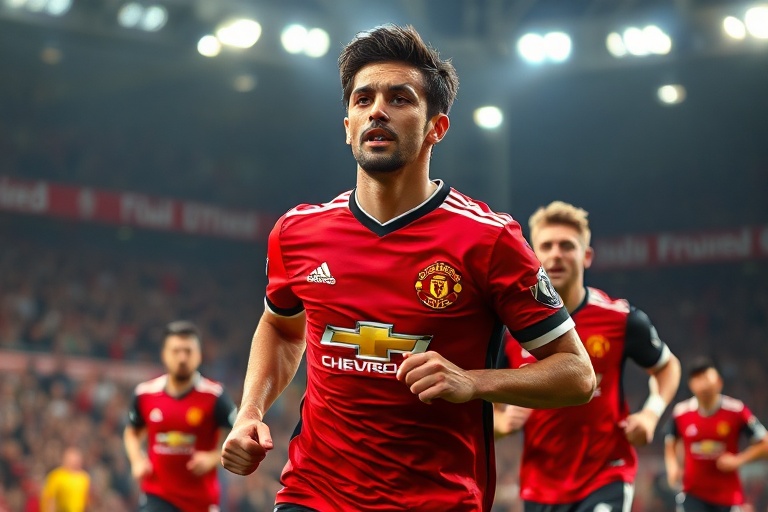
        <p>Few football clubs command the global recognition of Manchester United. With a fanbase stretching from Manchester to Manila, São Paulo to Seoul, the club’s red jersey carries weight far beyond Old Trafford’s pitch. Yet recent seasons have exposed vulnerabilities in a model once synonymous with dominance. The departure of key figures and on-field struggles have prompted questions about the club’s future direction.</p>

        <p>United’s global appeal stems from more than trophies. The club’s history—anchored by the Busby Babes and the Class of ’92—created a narrative that resonates across continents. Commercial partnerships in Asia and North America have turned the club into a billion-dollar brand. But this global footprint demands constant innovation. The challenge now is balancing tradition with the demands of modern football.</p>

        <h3>Ownership and Leadership: A Changing of the Guard</h3>
        <p>The Glazer family’s ownership has long been a polarizing topic among supporters. Critics argue that financial decisions prioritize commercial interests over sporting success. The club’s recent leadership changes, including the arrival of new executives with backgrounds in technology and data, signal an attempt to modernize operations. Whether this will translate into on-field success remains uncertain.</p>

        <p>Analysts suggest that United’s commercial strategy must evolve beyond jersey sales and sponsorships. The club’s digital engagement—through social media and streaming platforms—has grown, but competition from rivals like Liverpool and Manchester City is fierce. Global fans increasingly expect personalized experiences, from virtual matchday access to exclusive content. United’s ability to deliver these will determine its relevance in an era where fan loyalty is no longer guaranteed.</p>

        <h3>On-Field Struggles and the Search for Stability</h3>
        <p>United’s recent performances have fallen short of expectations. Inconsistent results, defensive frailties, and a lack of clear identity have frustrated supporters. The departure of key players—some sold at a loss—has left gaps in both squad depth and financial stability. The club’s recruitment strategy has come under scrutiny, with fans questioning whether the right decisions are being made.</p>

        <p>The club’s youth academy, once a source of pride, has struggled to produce consistent first-team performers. This has led to reliance on expensive transfers, a model that has proven unsustainable. The appointment of a new manager in 2023 brought temporary hope, but results have yet to stabilize. The global football landscape is more competitive than ever, and United’s ability to adapt will be critical.</p>

        <h3>The Fan Perspective: Tradition vs. Progress</h3>
        <p>For many supporters, Manchester United is more than a club—it’s a cultural touchstone. The global fanbase is a testament to the club’s ability to transcend borders. Yet this connection also creates pressure. Fans in different regions have varying expectations, from on-field success to community engagement. Balancing these demands requires nuanced leadership.</p>

        <p>A recent survey of global supporters revealed mixed feelings. While many remain optimistic about the club’s future, others express frustration with the lack of transparency in decision-making. Social media has amplified these voices, turning fan sentiment into a powerful force. Clubs like Bayern Munich and Real Madrid have leveraged fan input more effectively, suggesting United could learn from their approaches.</p>

        <h3>Looking Ahead: What’s Next for the Red Devils?</h3>
        <p>Manchester United’s path forward is complex. The club must navigate financial constraints, on-field challenges, and the evolving expectations of a global fanbase. Recent investments in training facilities and youth development hint at a long-term vision. However, the club’s ability to compete domestically and in Europe will depend on more immediate results.</p>

        <p>One potential solution lies in strategic partnerships. Collaborations with tech firms and sports science companies could enhance performance and fan engagement. The club’s digital transformation—spanning e-commerce to AI-driven analytics—offers opportunities to redefine its global presence. Yet these efforts must align with a clear sporting strategy.</p>

        <p>For now, the world watches as Manchester United seeks to reclaim its place among football’s elite. The club’s global identity remains its greatest asset, but it must be nurtured with care. The coming years will determine whether United can restore its legacy or risk falling behind.</p>

        <p>As the club continues to evolve, one thing is certain: its global fanbase will remain a driving force. How United balances tradition with innovation will shape its future. For supporters worldwide, the hope is that the club’s best days are still ahead.</p>

        <h2>Key Takeaways for Manchester United Fans</h2>
        <ul>
            <li><strong>Global Reach:</strong> United’s international fanbase is a strength, but it demands constant engagement and innovation.</li>
            <li><strong>Leadership Changes:</strong> New executives and managers bring fresh perspectives, but results will define their success.</li>
            <li><strong>On-Field Challenges:</strong> Inconsistent performances and recruitment issues have eroded trust among supporters.</li>
            <li><strong>Fan Expectations:</strong> Global fans expect transparency and progress, both on and off the pitch.</li>
        </ul>
    </article>

    <!-- Metadata Section -->