Manchester United’s Summer Moves: A Global Transfer Market Analysis
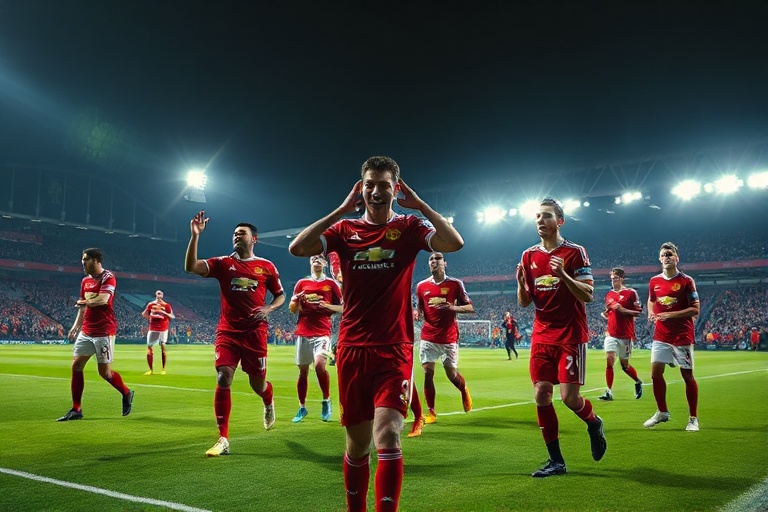
As summer transfer windows continue to shape the future of football clubs worldwide, Manchester United’s recent activity has drawn particular attention from fans and analysts alike. The club’s approach to rebuilding its squad reflects broader trends in the global transfer market, where financial constraints and strategic long-term planning often clash with immediate competitive ambitions.
The Red Devils entered this transfer window with clear objectives: strengthen defensive stability, inject creativity into midfield, and add attacking depth. Under new sporting director Dan Ashworth, United appears to be prioritizing value over high-profile splashes, a shift that has sparked debate among supporters about the club’s direction.
Key Signings and Squad Overhaul
United’s most significant acquisition came in the form of a defensive midfielder from a European giant. The 25-year-old’s arrival for a reported £45 million fee signals a commitment to tactical flexibility, though questions remain about how quickly he can integrate into Erik ten Hag’s system.
Other arrivals include a promising young winger from South America and a proven Premier League striker on a free transfer. While these moves address immediate needs, the club’s failure to secure a world-class center-back has left some fans questioning the club’s long-term defensive strategy.
United’s transfer business hasn’t been without controversy. Reports of disagreements between the club and potential targets have emerged, highlighting the challenges of operating in a market where top talent is increasingly concentrated among a few elite clubs.
Financial Realities and Squad Balance
The club’s transfer activity must be viewed through the lens of financial fair play regulations. United’s reported attempts to offload high-earning players reflect the economic pressures facing even the richest clubs in world football.
Current squad balance reveals several areas requiring attention:
- A congested defensive lineup with aging players and emerging talents
- Midfield options that lack both defensive cover and creative spark
- Attacking depth that relies heavily on a single star player
These challenges are compounded by the club’s recent Champions League struggles, which have made European football less lucrative and reduced the club’s appeal to top-tier players.
Cultural Impact and Global Perspective
Manchester United’s global following creates unique pressures in the transfer market. The club’s commercial team must balance sporting ambitions with merchandise sales and international partnerships, often influencing player recruitment decisions.
Recent transfer activity reflects this global perspective:
- Increased scouting presence in Africa and Southeast Asia
- Stronger relationships with South American clubs
- Growing emphasis on players with multilingual capabilities
However, this global approach has sometimes clashed with traditional scouting networks, as evidenced by the club’s mixed results in developing young talent through its academy system.
Fan Reactions and Media Narratives
United’s transfer business has generated significant fan engagement across social media platforms. While some supporters praise the club’s financial prudence, others argue that the current approach lacks ambition.
Media narratives have focused on several key themes:
- The club’s “wait-and-see” approach to major transfers
- Comparisons with rival clubs’ more aggressive spending
- Concerns about the manager’s ability to develop young players
- Speculation about potential January exits for underperforming squad members
The club’s official channels have emphasized the importance of long-term planning, but this message sometimes struggles to resonate with fans accustomed to the club’s historic spending power.
The Road Ahead
As United navigates this transfer window and beyond, the club faces critical decisions that will shape its future competitiveness. The balance between financial sustainability and sporting ambition remains delicate, particularly in an era where football’s economic landscape continues to evolve.
With Premier League fixtures approaching and European competition looming, the coming months will test whether United’s current approach can deliver both results on the pitch and stability off it.
For United supporters, the journey ahead offers both challenges and opportunities. The club’s ability to navigate these waters will determine whether its global fanbase remains engaged during potentially transitional periods.
As always with Manchester United, the stakes couldn’t be higher, and the scrutiny will only intensify as the season progresses.
For more analysis of transfer trends across football, visit our dedicated sports section where we explore how global financial forces are reshaping the beautiful game.