Michael Caputo has emerged as a polarizing figure in American politics and media, blending roles as a political strategist, communications expert, and occasional commentator on global affairs. His career spans decades, touching on presidential campaigns, government communications, and international business ventures. While often viewed through the lens of partisan divides, Caputo’s influence extends beyond traditional politics into the broader cultural and media landscape.
Born in 1962, Caputo grew up in New York, where he developed an early fascination with politics and public communication. His journey reflects the shifting dynamics of American political strategy, particularly in the digital age. As social media reshaped how campaigns engage with voters, Caputo adapted by leveraging emerging platforms long before they became standard tools in political warfare.
The Political Strategist: Campaigns and Consulting
Caputo’s political career began in the 1990s, working on congressional and gubernatorial campaigns. His reputation grew through his role in New York’s political scene, where he became known for his sharp messaging and media savvy. By the 2000s, he expanded his reach, contributing to presidential campaigns and serving as a senior advisor to candidates navigating complex electoral landscapes.
One of his most notable stints was as a communications director for the New York State Republican Committee, where he helped shape narratives in a state historically dominated by Democratic politics. His work there demonstrated his ability to craft resonant messages that resonated with targeted voter segments, a skill that would later define his approach in national politics.
In 2016, Caputo played a behind-the-scenes role in Donald Trump’s presidential campaign, focusing on digital strategy and opposition research. His involvement highlighted the increasing importance of data-driven campaigning and the strategic use of online platforms to shape public perception. While not always in the spotlight, figures like Caputo have become essential architects of modern political campaigns.
Key Contributions to Political Campaigns
- Digital Strategy: Pioneered the use of early social media platforms for voter engagement and fundraising.
- Message Crafting: Developed thematic narratives that aligned with candidate strengths and voter concerns.
- Opposition Research: Specialized in analyzing opponents’ weaknesses to inform campaign messaging.
- Media Relations: Bridged the gap between traditional media and digital-first communications.
Government Communications: From State to Federal Roles
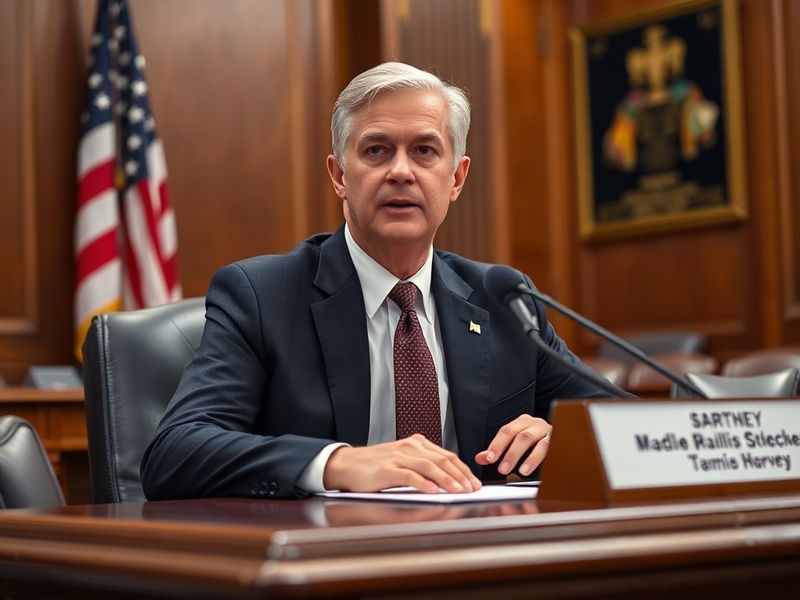
Caputo’s expertise in communications led to roles within government agencies, where he applied his skills to public messaging and crisis management. In 2020, he was appointed as the Assistant Secretary for Public Affairs at the Department of Health and Human Services (HHS) during the COVID-19 pandemic. His tenure was marked by intense scrutiny, as the pandemic forced government agencies to communicate complex health guidelines to the public in real time.
The role placed Caputo at the intersection of public health, politics, and media—an arena fraught with challenges. His approach often reflected the Trump administration’s communication style: direct, unfiltered, and occasionally combative. While critics argued that his messaging lacked nuance, supporters viewed him as a necessary voice in a crisis that required clarity and decisiveness.
Caputo’s tenure at HHS also underscored the evolving nature of government communications. In an era where misinformation spreads rapidly, public officials face the dual challenge of conveying accurate information while countering false narratives. His experiences highlighted the delicate balance between transparency and political messaging in high-stakes environments.
Media Personality and Cultural Commentator
Beyond politics, Caputo has cultivated a presence as a media personality, appearing on television, podcasts, and in print to offer commentary on current events. His outspoken style has made him a frequent guest on programs across the political spectrum, from conservative talk shows to more centrist platforms seeking diverse perspectives.
Caputo’s media appearances often focus on the intersection of politics, media, and public perception. He has been a vocal critic of mainstream media outlets, arguing that they frequently distort narratives to fit preconceived biases. His critiques resonate with audiences frustrated by perceived media bias, but they have also drawn accusations of promoting divisive rhetoric.
His commentary extends to international affairs, particularly in regions where U.S. foreign policy intersects with global media narratives. Caputo has written and spoken about the challenges of communicating American values abroad, emphasizing the need for strategic messaging that resonates with diverse audiences. This global perspective adds depth to his analysis, positioning him as more than just a domestic political figure.
The Controversies and Criticisms
No discussion of Michael Caputo would be complete without addressing the controversies that have surrounded him. His career has been marked by moments that have drawn both praise and condemnation, reflecting the polarized nature of American politics. Critics accuse him of promoting divisive rhetoric and contributing to the erosion of civil discourse, while supporters credit him with bringing much-needed transparency to political and media landscapes.
One of the most contentious periods in Caputo’s career was his tenure at HHS during the COVID-19 pandemic. His public statements often clashed with scientific consensus, leading to accusations that he downplayed the severity of the virus. These controversies sparked debates about the role of government officials in communicating health risks and the ethical responsibilities of public servants in crises.
Caputo’s approach to media relations has also drawn criticism. His combative style and willingness to challenge mainstream narratives have made him a target for both left-leaning and right-leaning critics. Some view him as a necessary counterbalance to perceived media bias, while others see him as a purveyor of misinformation and division.
Despite these controversies, Caputo’s career offers valuable insights into the evolving nature of political and media strategy. His ability to navigate complex landscapes—whether in campaigns, government, or public commentary—demonstrates the adaptability required to thrive in today’s fractured media environment.
The Global Perspective: Caputo’s Influence Beyond U.S. Borders
While Caputo is primarily associated with American politics, his influence extends globally. His work with international clients and his commentary on global affairs highlight the interconnected nature of modern political and media landscapes. In an era where information travels instantaneously across borders, figures like Caputo play a role in shaping how audiences perceive not only domestic issues but also international events.
Caputo’s involvement in foreign policy discussions reflects a broader trend of American strategists engaging with global audiences. His critiques of media bias, for example, resonate in countries where state-controlled media dominates public discourse. By advocating for transparent and strategic communication, Caputo aligns with a growing movement of voices pushing back against disinformation and propaganda.
His global engagements also underscore the importance of cultural context in political messaging. What works in one country may fail in another, and Caputo’s adaptability in navigating these differences offers lessons for strategists operating in diverse environments. Whether advising on elections in emerging democracies or consulting for multinational corporations, his approach emphasizes the need for tailored communication strategies.
Lessons from Caputo’s Global Approach
- Cultural Sensitivity: Understanding local norms and values is essential for effective messaging.
- Adaptability: Strategies must evolve to address the unique challenges of different regions.
- Transparency: Clear and honest communication builds trust, even in polarized environments.
- Strategic Storytelling: Crafting narratives that resonate with diverse audiences requires creativity and precision.
Conclusion: The Legacy of Michael Caputo
Michael Caputo’s career is a testament to the power of strategic communication in shaping public perception. From his early days in New York politics to his high-profile roles in national campaigns and government agencies, he has demonstrated an ability to adapt to the ever-changing media landscape. While his methods and messaging have sparked controversy, they have also forced conversations about the role of media, politics, and public trust in modern society.
As social media continues to redefine how information is disseminated and consumed, figures like Caputo will remain central to the political and media ecosystems. His career offers valuable lessons for strategists, communicators, and observers alike, highlighting the importance of adaptability, transparency, and strategic thinking in an increasingly complex world.
Whether one views him as a necessary disruptor or a polarizing figure, Michael Caputo’s impact on American politics and media is undeniable. His story is a reminder that in an era of instant information and relentless scrutiny, the ability to craft and control narratives is more critical than ever.