Missiles: History, Strategy, and Global Impact Explained
“`html
The Global Reach of Missiles: Technology, Strategy, and Impact
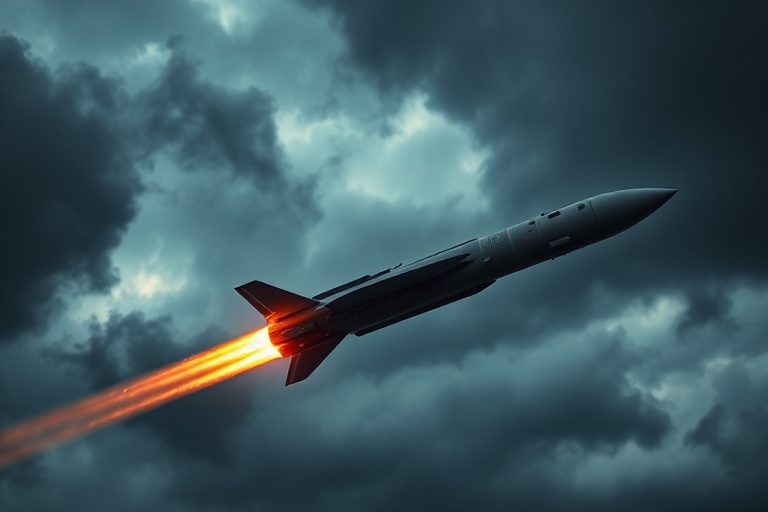
The missile has long been more than a weapon—it is a symbol of technological ambition, strategic power, and geopolitical tension. From the early days of rocket science to today’s precision-guided systems, missiles have shaped military doctrine, international relations, and even popular culture. Their evolution reflects humanity’s dual capacity for destruction and innovation, a paradox that continues to define global security.
While often associated with warfare, missiles also play roles in space exploration, scientific research, and commercial ventures. Their development spans decades of scientific breakthroughs, political negotiations, and ethical debates. Understanding missiles requires examining their technical complexity, strategic significance, and the cultural narratives that surround them.
The Evolution of Missile Technology
The story of the missile begins in the early 20th century, when visionaries like Robert Goddard and Wernher von Braun laid the groundwork for modern rocketry. Goddard’s liquid-fueled rockets in the 1920s demonstrated the potential of controlled propulsion, while von Braun’s work during World War II culminated in the V-2 rocket, the first long-range guided missile. These early innovations were not merely technological feats—they set the stage for the Cold War’s missile race.
The post-war era saw rapid advancements. Intercontinental ballistic missiles (ICBMs) became the cornerstone of nuclear deterrence, with the United States and Soviet Union deploying thousands of these weapons. The Cuban Missile Crisis of 1962 underscored the terrifying reality of nuclear missiles, bringing the world to the brink of catastrophe. Meanwhile, smaller tactical missiles like the Soviet-made Scud and the American-made Patriot became fixtures in regional conflicts, from the Iran-Iraq War to the Gulf War.
Today, missile technology is more sophisticated than ever. Hypersonic missiles travel at speeds exceeding Mach 5, rendering traditional defense systems obsolete. Precision-guided munitions, such as the Joint Direct Attack Munition (JDAM), allow for strikes with unprecedented accuracy. Even non-state actors have gained access to missile technology, with groups like Hezbollah and the Houthi rebels deploying drones and short-range rockets in asymmetric warfare.
Key Milestones in Missile Development
- 1944: The V-2 rocket becomes the first long-range guided missile used in combat, deployed by Nazi Germany.
- 1957: The Soviet Union launches the R-7 Semyorka, the world’s first ICBM, which later carries Sputnik into space.
- 1962: The Cuban Missile Crisis highlights the strategic importance of ballistic missiles in Cold War geopolitics.
- 1991: During the Gulf War, the Patriot missile system gains prominence for its role in intercepting Scud missiles.
- 2020s: Hypersonic missile tests by China, Russia, and the United States signal a new era of high-speed warfare.
Missiles in Geopolitical Strategy
Missiles are not just tools of destruction—they are instruments of power projection. Countries develop missile programs to deter adversaries, project influence, and secure strategic advantages. The nuclear triad—comprising land-based ICBMs, submarine-launched ballistic missiles (SLBMs), and strategic bombers—remains the backbone of nuclear deterrence. Nations like North Korea and Iran have pursued missile programs not only for defense but as bargaining chips in international negotiations.
The proliferation of missiles has also reshaped regional dynamics. In the Middle East, Israel’s Iron Dome system has become synonymous with missile defense, while Iran’s ballistic missile arsenal serves as both a deterrent and a tool of proxy warfare. In Asia, China’s DF-21D anti-ship ballistic missile is designed to counter U.S. aircraft carrier groups, signaling a shift in naval power balances. Meanwhile, North Korea’s relentless testing of ballistic and cruise missiles has drawn condemnation from the international community, leading to sanctions and diplomatic isolation.
Missiles also play a role in alliance-building. The U.S. deploys missile defense systems in South Korea and Japan to counter North Korean threats, a move that has strained relations with China and Russia. NATO’s missile defense shield in Europe, designed to counter Iranian missiles, has been a point of contention with Moscow, which views it as a threat to its own nuclear deterrent.
Missiles in Popular Culture and Media
Beyond their strategic and military significance, missiles have permeated popular culture, often serving as metaphors for power, fear, and human ingenuity. Films like Dr. Strangelove and WarGames depicted the absurdity and danger of nuclear brinkmanship, while action movies like Top Gun: Maverick and Iron Man glamourized missile technology as symbols of technological prowess. Even video games like Call of Duty and Deus Ex feature missiles as central gameplay mechanics, reinforcing their cultural presence.
In literature, missiles have been used to explore themes of destruction and survival. Nevil Shute’s On the Beach and Ray Bradbury’s Fahrenheit 451 both use nuclear missiles as catalysts for dystopian futures. More recently, novels like Ghost Fleet by P.W. Singer and August Cole have imagined near-future conflicts where hypersonic missiles and AI-driven warfare dominate the battlefield.
Missiles have also influenced music and art. Songs like 99 Luftballons by Nena and Russians by Sting use missile imagery to critique Cold War tensions. In visual art, artists like Banksy have incorporated missile fragments and drone imagery into their work, critiquing the militarization of technology and its impact on civilian life.
The Ethical and Environmental Implications
The development and deployment of missiles raise profound ethical questions. The indiscriminate destruction caused by ballistic missiles in civilian areas has led to widespread condemnation, particularly in conflicts like the Syrian Civil War, where government forces have used missiles against rebel-held areas. The use of depleted uranium in some missile warheads has also raised concerns about long-term environmental and health impacts, particularly in war-torn regions like Iraq and the Balkans.
Environmental concerns extend to missile testing as well. North Korea’s frequent missile tests have drawn criticism for their disregard for international norms, while the environmental impact of rocket launches—such as those by SpaceX and other private aerospace companies—has sparked debate about the carbon footprint of space exploration. The destruction of missiles under arms control treaties, such as the New START agreement, also poses challenges, as obsolete missiles are often disposed of in ways that can harm local ecosystems.
Ethically, the proliferation of missiles to non-state actors poses a significant threat to global security. Groups like ISIS and Al-Qaeda have sought to acquire missile technology, raising fears of catastrophic attacks. The international community has responded with export controls and sanctions, but the black market for missile components continues to thrive, fueled by corruption and weak enforcement in some regions.
Challenges in Missile Non-Proliferation
- Export Controls: The Missile Technology Control Regime (MTCR) aims to limit the spread of missile technology, but loopholes and evasion tactics persist.
- Sanctions and Diplomacy: Sanctions against countries like Iran and North Korea have had mixed success, with some arguing that they exacerbate tensions rather than resolve them.
- Technological Advancements: Hypersonic missiles and AI-driven targeting systems complicate traditional non-proliferation efforts.
- Cyber Threats: The rise of cyber warfare introduces new risks, as hackers could potentially sabotage missile systems or steal sensitive data.
- Public Awareness: Educating the public about the risks of missile proliferation is critical, yet often overshadowed by sensationalized media coverage.
Missiles are more than weapons—they are a reflection of human ambition, fear, and ingenuity. Their development has shaped the course of history, from the Cold War to modern conflicts in Ukraine and the Middle East. As technology advances, the role of missiles in global security will only grow more complex, demanding careful consideration of their ethical, environmental, and strategic implications.
For those interested in the intersection of technology and global affairs, exploring the history of science and politics offers valuable context. Whether as tools of deterrence, symbols of power, or subjects of cultural critique, missiles will continue to play a pivotal role in shaping our world.