oil tanker
“`html
Understanding Oil Tankers: The Backbone of Global Energy Transport
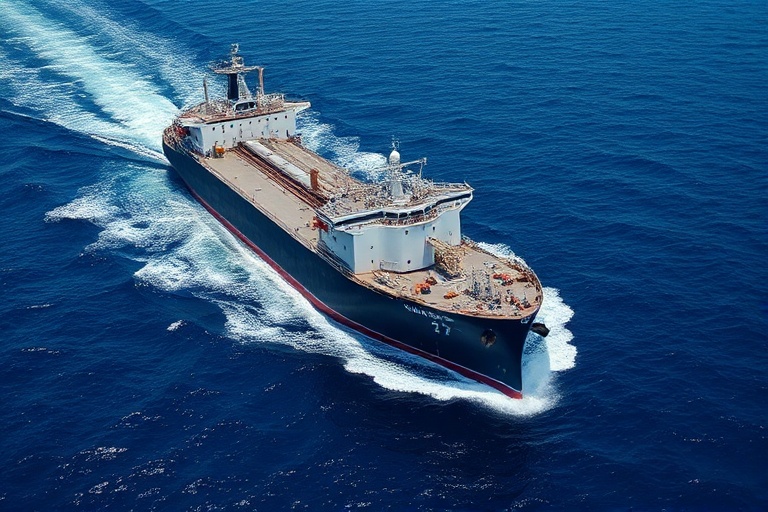
The oil tanker remains one of the most critical components of the global energy supply chain. These massive vessels transport millions of barrels of crude oil and refined petroleum products across oceans every day. Without them, the modern economy would grind to a halt, as oil fuels everything from transportation to industrial manufacturing. The sheer scale of these ships is staggering—some can carry over 2 million barrels of oil, equivalent to the cargo capacity of thousands of railroad tank cars.
Yet, oil tankers are more than just floating storage tanks. They represent a complex interplay of engineering, economics, and environmental considerations. Their operations are governed by strict international regulations, and their movements are tracked in real-time by maritime authorities. The industry has evolved significantly since the first purpose-built oil tankers emerged in the late 19th century, adapting to technological advancements and shifting global energy demands.
The Evolution of Oil Tankers: From Early Designs to Modern Giants
The history of oil tankers dates back to the 1860s, when the first successful shipment of oil in barrels was recorded. However, it wasn’t until 1886 that the Glückauf, a 2,307-ton vessel built in Britain, became the first true oil tanker. Unlike earlier ships that carried oil in barrels, the Glückauf featured a bulk liquid storage system with separate compartments, a design that laid the foundation for modern tankers.
By the mid-20th century, oil tankers had grown exponentially in size. The introduction of the VLCC (Very Large Crude Carrier) in the 1960s marked a turning point. These ships, capable of carrying up to 300,000 deadweight tons (DWT), revolutionized the industry by reducing transportation costs. The ULCC (Ultra Large Crude Carrier), which can exceed 400,000 DWT, followed in the 1970s, pushing the boundaries of shipbuilding technology.
Today, oil tankers are categorized based on their size and capacity. The most common types include:
- Handysize Tankers: Typically range from 10,000 to 50,000 DWT. These smaller vessels are ideal for transporting refined products like gasoline and diesel to smaller ports.
- Panamax Tankers: Designed to fit through the Panama Canal, these ships carry between 60,000 and 80,000 DWT. They are commonly used for transporting crude oil and refined products.
- Aframax Tankers: With capacities between 80,000 and 120,000 DWT, these tankers are optimized for voyages in the Atlantic and Mediterranean regions.
- Suezmax Tankers: Named for their ability to transit the Suez Canal, these vessels typically range from 120,000 to 200,000 DWT.
- VLCC and ULCC Tankers: As mentioned earlier, these are the largest tankers, primarily used for long-haul crude oil transport.
How Oil Tankers Operate: Technology and Logistics
Operating an oil tanker is a highly specialized process that involves meticulous planning, advanced technology, and strict adherence to safety protocols. One of the most critical aspects of tanker operations is loading and unloading. Crude oil is typically loaded at offshore terminals or specialized port facilities using a process called cold or hot loading. Cold loading involves pumping oil at ambient temperatures, while hot loading is used for heavier crude oils that require heating to maintain fluidity.
During transit, tankers must maintain precise stability and structural integrity. Modern tankers are equipped with sophisticated ballast systems to manage weight distribution and prevent capsizing. Additionally, they feature advanced navigation systems, including GPS, radar, and AIS (Automatic Identification System), which allow for real-time tracking and collision avoidance.
The crew aboard an oil tanker plays a crucial role in ensuring safe operations. A typical tanker crew includes:
- Master (Captain): Responsible for the overall command of the vessel, ensuring compliance with maritime laws and safety regulations.
- Chief Officer: Oversees cargo operations, deck maintenance, and safety drills.
- Second Officer: Handles navigation, charting, and communication with port authorities.
- Third Officer: Assists in navigation and safety procedures.
- Engineering Officers: Manage the ship’s propulsion, electrical systems, and machinery.
- Deck Crew: Responsible for cargo handling, mooring operations, and general maintenance.
- Engineering Ratings: Assist engineers in maintaining and operating the ship’s systems.
Safety is paramount in the oil tanker industry. The International Maritime Organization (IMO) has established stringent regulations, such as the International Convention for the Prevention of Pollution from Ships (MARPOL), which mandates strict guidelines for preventing oil spills, managing ballast water, and reducing emissions.
The Environmental Impact of Oil Tankers: Challenges and Solutions
Despite their essential role in the global economy, oil tankers are often at the center of environmental debates. The most significant concern is the risk of oil spills, which can have devastating consequences for marine ecosystems and coastal communities. Some of the most notorious oil spills in history include the Exxon Valdez (1989), which released over 11 million gallons of crude oil into Alaska’s Prince William Sound, and the Deepwater Horizon (2010), which resulted in one of the largest marine oil spills in history.
To mitigate these risks, the industry has implemented several measures. Double-hull tankers, which feature an additional layer of protection between the cargo hold and the ship’s outer shell, have become the standard for new vessels. The IMO’s Phase-Out Scheme for Single-Hull Tankers has further reduced the risk of spills by mandating the retirement of older, less-safe ships.
Another critical issue is the environmental impact of ballast water discharge. When tankers take on ballast water in one region and discharge it in another, they can inadvertently transport invasive species, disrupting local ecosystems. To address this, the IMO’s Ballast Water Management Convention requires ships to treat ballast water before discharge, using methods such as filtration, chemical treatment, or UV radiation.
Emissions are another growing concern. Oil tankers contribute to air pollution through the combustion of heavy fuel oil (HFO), which emits sulfur oxides (SOx), nitrogen oxides (NOx), and particulate matter. In response, the IMO has introduced regulations to limit sulfur content in marine fuels, pushing the industry toward cleaner alternatives like liquefied natural gas (LNG) and scrubbers that remove pollutants from exhaust gases.
The Future of Oil Tankers: Trends and Innovations
The oil tanker industry is undergoing significant transformation as it adapts to new technologies, regulatory pressures, and shifting energy demands. One of the most notable trends is the push toward decarbonization. The IMO has set ambitious targets to reduce greenhouse gas emissions from shipping by at least 50% by 2050 compared to 2008 levels. To achieve this, the industry is exploring alternative fuels, such as ammonia, hydrogen, and biofuels, as well as energy-efficient technologies like wind-assisted propulsion and air lubrication systems.
Digitalization is also reshaping the industry. The adoption of Internet of Things (IoT) sensors, artificial intelligence (AI), and blockchain technology is enhancing operational efficiency, predictive maintenance, and cargo tracking. For example, IoT sensors can monitor the condition of cargo in real-time, alerting crews to potential issues like temperature fluctuations or pressure changes. Meanwhile, blockchain is being used to streamline documentation and reduce the risk of fraud in shipping contracts.
Another emerging trend is the growing demand for smaller, more flexible tankers. As renewable energy sources like wind and solar gain traction, the global oil demand is expected to plateau and eventually decline. This shift is driving demand for smaller tankers that can transport refined products to niche markets, as opposed to the massive VLCCs and ULCCs that dominate crude oil transport.
The industry is also focusing on enhancing safety through improved training and simulation technologies. Virtual reality (VR) and augmented reality (AR) are being used to train crews in emergency response scenarios, such as oil spill containment and firefighting. These technologies provide a realistic and immersive training environment without the risks associated with live drills.
Challenges Ahead
Despite these advancements, the oil tanker industry faces several challenges. Geopolitical tensions, such as sanctions and trade disputes, can disrupt shipping routes and increase operational costs. For example, sanctions on Iran and Venezuela have forced tankers to take longer, more circuitous routes, driving up fuel consumption and transit times. Additionally, the transition to cleaner energy sources poses a long-term threat to the demand for oil tankers, as reduced oil consumption could lead to a surplus of vessels and lower freight rates.
The industry must also contend with the economic pressures of fluctuating oil prices. When oil prices are low, shipping companies often struggle to remain profitable, leading to layoffs, vessel retirements, and reduced investment in new technologies. Conversely, high oil prices can strain the supply chain, causing delays in loading and unloading operations as ports become congested.
Conclusion: The Indispensable Yet Evolving Role of Oil Tankers
Oil tankers remain indispensable to the global economy, transporting the lifeblood of modern industry across vast oceans. Their evolution from small, barrel-carrying vessels to today’s technological marvels reflects the industry’s adaptability and resilience. However, the challenges ahead—environmental, regulatory, and economic—demand innovative solutions and a commitment to sustainability.
As the world transitions toward cleaner energy sources, the oil tanker industry must strike a balance between meeting current demands and preparing for a future where oil is no longer the dominant fuel. Whether through the adoption of alternative